
Last updated November 24, 2026
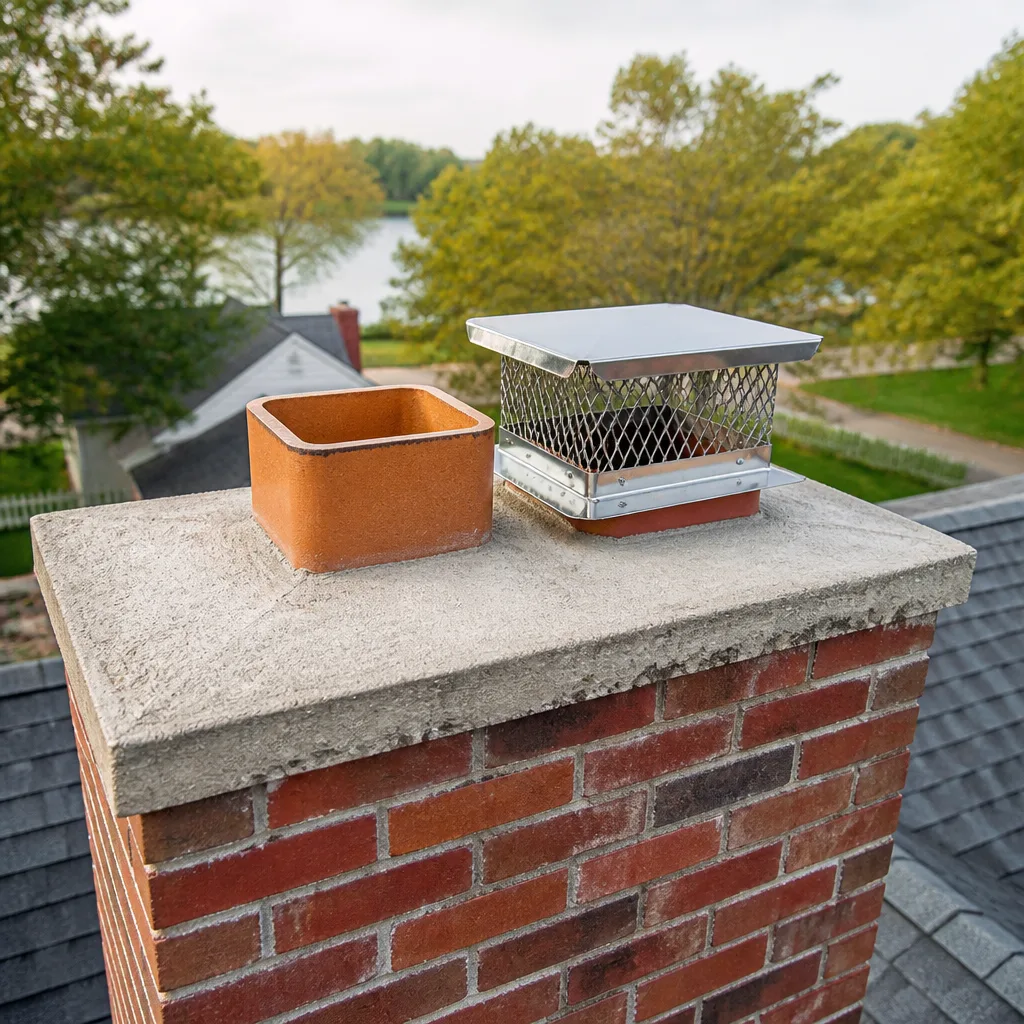 Sweep & inspection
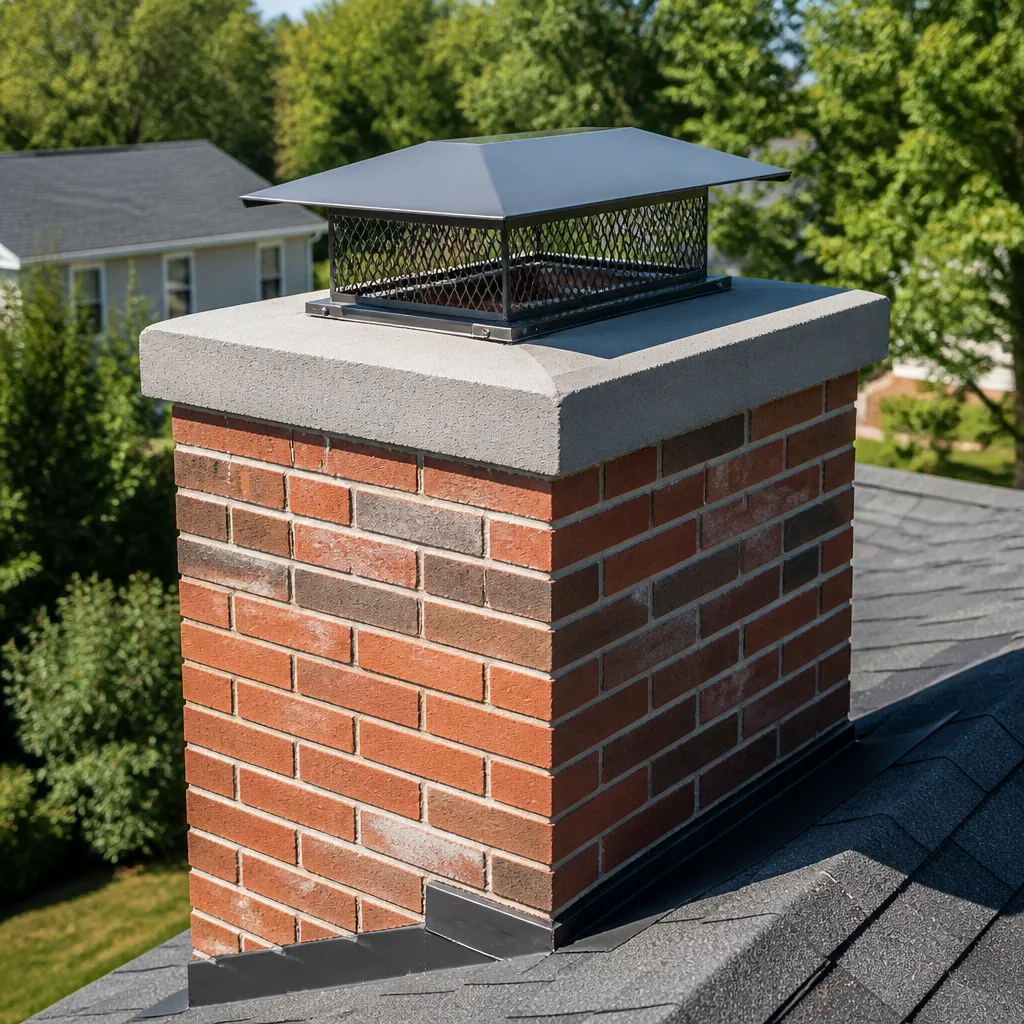 Caps & crowns
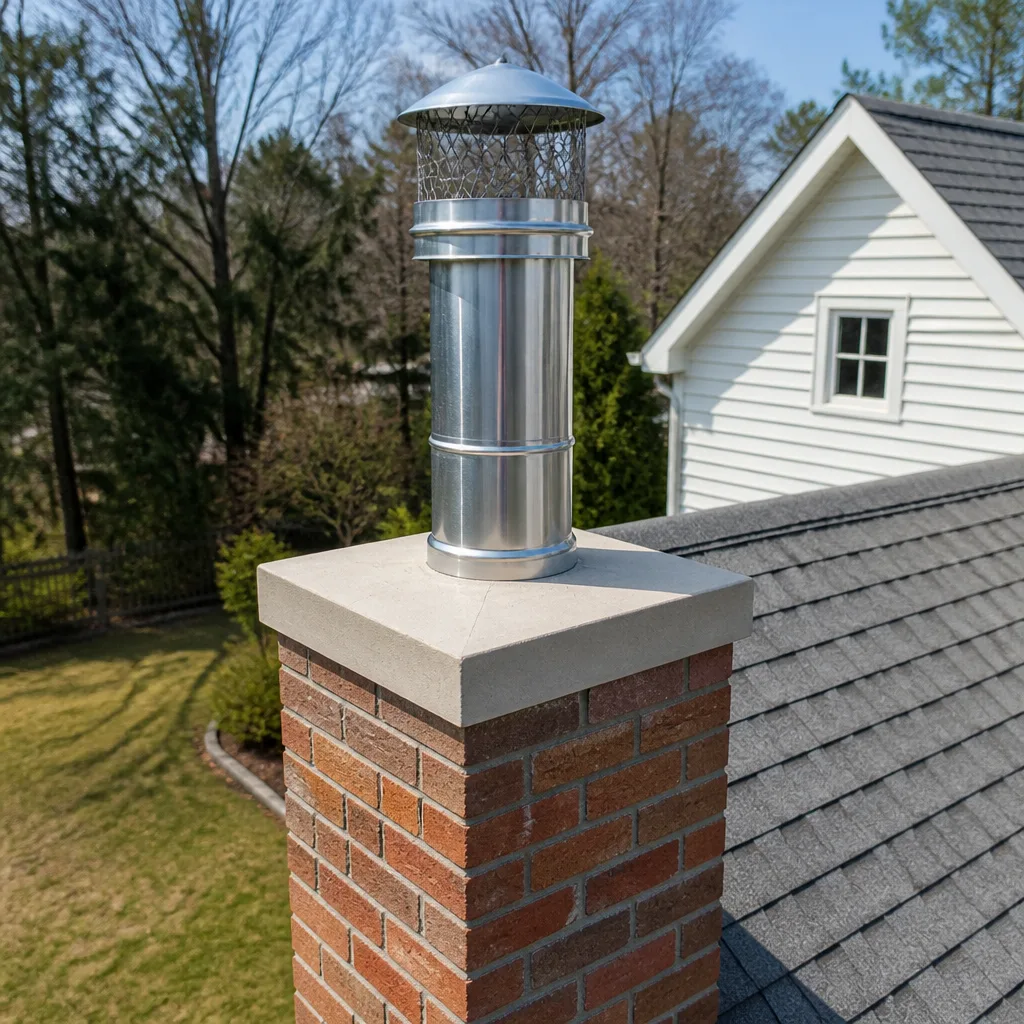 Flue relining
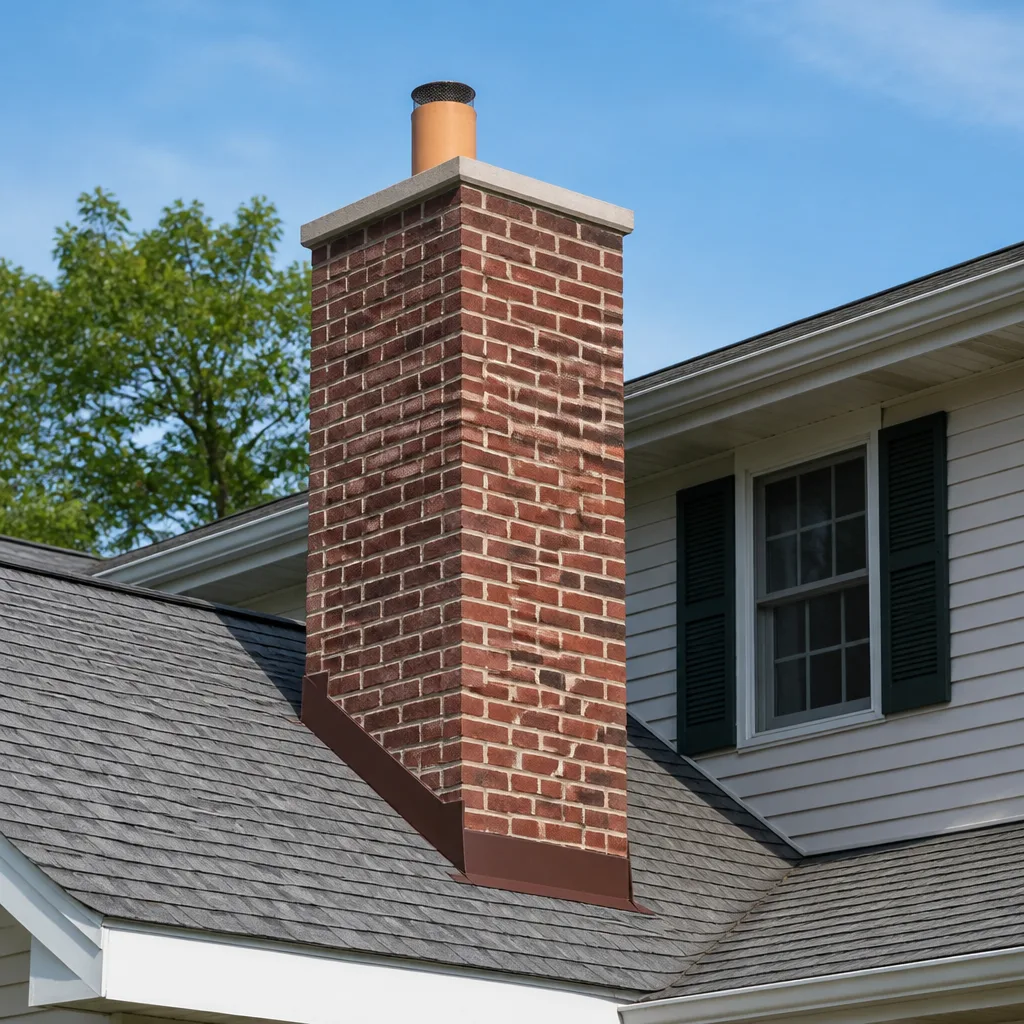 Masonry repair
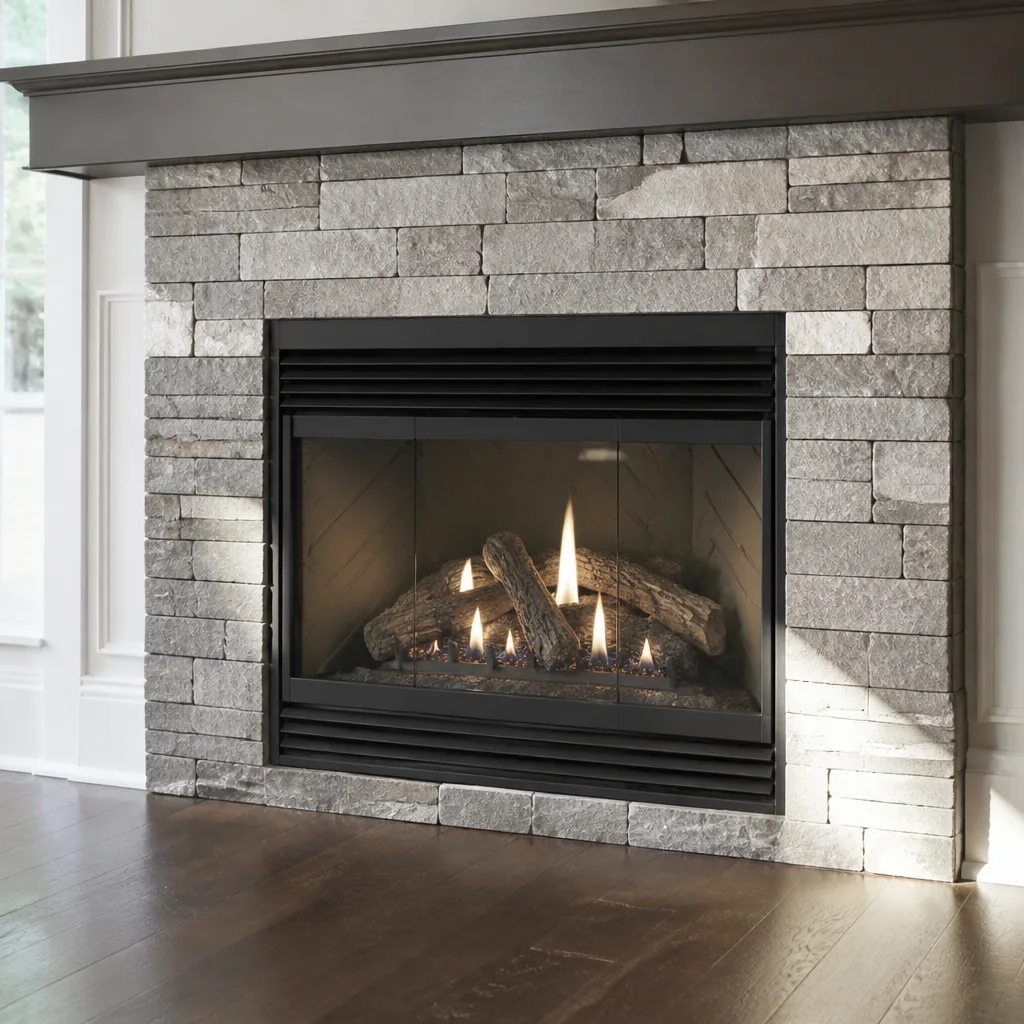 Gas fireplace service
Level 1 sweep and inspection to the NFPA 211 annual standard - flue, crown, cap, and flashing checked and photographed
Chimney sweep logs do not sweep chimneys. They loosen some creosote - which then falls where a brush and vacuum still have to collect it.
Chimney Cleaning Permits, Codes & Inspections in University Park, CO: What You Need to Know
Most homeowners assume a chimney is a chimney, and that whatever happens inside the flue stays between them and the sweep. That’s not how it works in Colorado. Cleaning a chimney generally doesn’t require a permit, but the moment work moves from cleaning into repair or alteration – relining a flue, resetting a crown, replacing a cap, rebuilding a firebox – you can cross into permitted work, and the paper trail matters. A liner replacement done without a permit in Arapahoe County can complicate a home sale years later, because it turns up in a buyer’s inspection and leaves a disclosure problem with no clean fix. This guide walks through which chimney services in University Park and unincorporated Arapahoe County trigger permits, how NFPA 211 fits in, when a Level II inspection is legally required, and how to pull records for work that’s already been done.
Quick Answer
Routine chimney sweeping in University Park does not require a permit, but structural work does: relining a flue, replacing a chimney cap, rebuilding or resurfacing a crown, repointing mortar, and changing the appliance or flue configuration generally require a permit from the authority having jurisdiction – in unincorporated Arapahoe County that’s the county building department. A Level II inspection is required by NFPA 211 standards when a property changes hands, when a new appliance is connected, and after a chimney fire or other event that may have damaged the flue. If you’re unsure which side of the line your job falls on, ask before work starts; a permit is far cheaper than an unpermitted repair discovered during a sale.
Styles & brands we work with
- Sweep & inspection
- Caps & crowns
- Flue relining
- Masonry repair
- Gas fireplace service
Table of Contents
- Which Chimney Services Require a Permit in University Park?
- NFPA 211: The Standard Behind Colorado Chimney Rules
- When a Level II Inspection Is Required
- How Chimney Work Intersects With Real Estate Disclosure
- How to Find Records of Prior Chimney Work
- Why University Park Chimneys Work Hard
- How to Hire a Chimney Contractor Who Gets the Paperwork Right
- Common Mistakes to Avoid
Which Chimney Services Require a Permit in University Park?
Here’s the practical line: anything that involves cleaning soot and creosote out of an existing flue is maintenance, and maintenance is not typically permitted. Anything that alters the structure, the flue, or the exhaust path is construction, and construction usually is. In University Park and unincorporated Arapahoe County, homeowners run into this distinction most often when they move into an older home with a chimney that hasn’t been touched in years and hear “you need a new liner” from a sweep.
That recommendation alone isn’t the trigger. The trigger is what actually happens next. A chimney sweep job that removes creosote and clears a blocked flue is maintenance and does not normally require a permit. Replacing the flue liner – whether with a flexible stainless system or a resurfacing product like HeatShield – is typically permitted work because it changes the flue’s rated condition and must be inspected afterward by a code official.
Work That Usually Requires a Permit
- Relining or resurfacing a flue – installing a new flexible liner or applying a HeatShield-type resurfacing material to deteriorated clay flue tile.
- Crown replacement or rebuilding – the crown protects the chimney top from water intrusion; replacing it is structural work.
- Chimney cap installation – a standard cap on an existing flue is often treated as a minor repair, but if it involves new fasteners into the crown or a custom cap with a new chase cover, permits may be required.
- Repointing or tuckpointing – mortar repair on a chimney stack above the roofline is masonry work and generally draws a permit in unincorporated Arapahoe County.
- Firebox or firebox-wall repair – rebuilding the firebox involves masonry and often a change to the firebox’s rated material, which the code treats as construction.
- Changing the appliance – swapping a wood stove for a gas insert, or adding a new flue for a second appliance, usually requires a permit and often a new inspection of the whole vent system.
Work That Usually Doesn’t
- Routine sweeping and creosote removal.
- Removing a bird nest, raccoon nest, or leaf debris from the flue.
- Level I or Level II visual inspection.
- Replacing a spring-loaded damper with a top-sealing damper is sometimes treated as minor, sometimes not – it depends on how the damper is anchored.
One caution here that doesn’t apply to gas appliances: wood-burning chimneys in University Park are exposed to real temperature swings between a cold night and a hot fire, and the fired clay liners inside older chimneys crack when they cycle. A crack is a maintenance finding. Repairing that crack with a resurfacing product is permitted work. Getting the scope right up front matters, because the code official inspects the finished job and can require it to be brought up to standard.
A quick note on terminology: this guide talks about liners, crowns, caps, and mortar. If you’re trying to understand what a Level II inspection actually looks like, see our University Park Chimney Sweep overview. For firebox and firebox-damper issues that often come up in the same conversation, see our page on fireplace repair.
NFPA 211: The Standard Behind Colorado Chimney Rules
NFPA 211 is the national standard for chimneys, fireplaces, vents, and solid-fuel-burning appliances, and it’s the reference document that local building codes in Colorado build on. It doesn’t override the county permit rules – the county has the legal authority to permit and inspect – but it defines the technical condition a chimney has to be in. When a code official walks out to inspect a finished reline, NFPA 211 is the standard they’re typically checking against.
What NFPA 211 requires for a wood-burning chimney, in plain terms:
- A continuous, compatible flue. The flue must run the full length from the appliance to the chimney top without gaps, cracks, or breaks in the wall of the flue.
- Proper clearance to combustibles. The chimney structure must maintain clearance from framing, sheathing, and insulation – 2 inches is the common standard for masonry chimneys, and the appliance manufacturer’s listing governs prefab chimney systems.
- Correct sizing for the appliance. A flue that’s too large for the appliance draws poorly and drafts cold air back into the house. A flue that’s too small restricts the draft. Sizing matters.
- A functional, solidly built crown. The crown has to shed water away from the flue; a cracked crown is one of the most consistent findings on older University Park roofs, and it’s also one of the reasons water and ice reach the flue tile.
- Flue liner in serviceable condition. Clay tile liners are standard in older Colorado homes, and once a tile cracks, the flue no longer meets the standard until it’s relined or resurfaced.
EPA and NFPA in the Same Conversation
Wood-burning appliances also come under EPA emission standards, which apply to the appliance – not to the chimney. If you’re replacing a pre-EPA stove with a modern appliance, the new appliance must be EPA-certified, and the flue that serves it has to be sized and lined to the appliance manufacturer’s instructions. That chain – EPA on the appliance, NFPA 211 on the vent system, county code on the permit – is the full picture. Homeowners who get a liner installed without checking the appliance’s listed vent size sometimes end up with a perfectly legal permit and a poorly drafting chimney.
In our experience working on University Park chimneys, the most common NFPA 211 gap we find is not a missing liner – it’s a listed liner that was installed without proper sizing or without a working crown above it. The liner is fine. The water intrusion isn’t.
When a Level II Inspection Is Required
NFPA 211 defines three inspection levels. Level I is a routine annual check (visual, accessible portions, no tools that could damage the flue). Level II adds a video camera inspection of the entire flue and is specifically required in three situations: when a property changes hands, when a new appliance is connected to the flue, and after any event – a chimney fire, a flood, an earthquake, an animal intrusion that displaces the liner. Level III is a disassembly inspection, rarely needed but sometimes the only way to see behind wall framing.
Three legal triggers, laid out:
- Home sale. When a home is sold, NFPA 211 requires a Level II inspection of the chimney and vent system before the new owner takes possession. This isn’t a Colorado statute – it’s the standard, and it’s adopted through the code that governs the transaction. In practice, most purchase contracts in University Park ask for an inspection, and the inspector will do a Level II camera inspection as a matter of course.
- Appliance change. When a new appliance is connected – a new wood stove, gas insert, pellet stove, or even a new flue for a water heater – a Level II inspection is required before the appliance is put in service. This is true even if the flue was recently swept.
- After an event. After a chimney fire, a lightning strike, a flood that reached the firebox, a seismic event, or any significant animal intrusion, a Level II inspection is required to assess the flue. A chimney fire can crack a clay liner deep in the flue where the eye can’t see it, and the fire may have gone out on its own without a fire department response.
Why the Camera Matters More Than the Eye
A Level I visual inspection sees the firebox, the damper, the accessible portions of the flue from the top, and the exterior of the chimney. A Level II adds a video camera and lets the inspector see the full length of the flue. That’s the difference between a sweep saying “the flue looks fine” and a sweep saying “there’s a 1/8-inch crack in the third tile down.” The second answer is what a lender, an insurer, and a buyer are actually looking for.
When we do a Level II inspection, we use a camera to document what’s in the flue, and we keep the footage so the homeowner can review it. That footage is more useful than a written report alone, because a report can be disputed and a video can’t.
How Chimney Work Intersects With Real Estate Disclosure
Colorado has a seller’s property disclosure form, and it asks about known problems with the home – including problems with the fireplace and chimney. The form doesn’t ask for a full history of every repair. It asks whether the seller knows of a defect. That word “known” is where unpermitted chimney work becomes a problem, because once a buyer’s inspector flags a liner that was installed without a permit and without an inspection sign-off, the seller can no longer say they didn’t know.
The sequence typically goes like this:
- Seller lists the home. Disclosure form is filled out based on current knowledge.
- Buyer’s inspector does a Level II inspection (or recommends one).
- Inspector says the liner appears to have been replaced recently but there’s no permit record.
- Buyer asks for documentation. Seller can’t produce it. The buyer now has three options: walk, ask for a price reduction, or ask for the work to be re-done with a permit.
- Seller has to disclose that a defect may exist, which often delays or kills the sale.
None of that requires anything to actually be wrong with the chimney. The liner might be perfect. The problem is that a permitted installation would have an inspection record and an unpermitted one doesn’t, and a buyer’s lender and insurer will treat “no record” as “we don’t know” – which is the answer they least want to hear.
The Unincorporated Arapahoe County Twist
University Park sits partly in unincorporated Arapahoe County, which changes who issues the permit. The county building department is the authority having jurisdiction, and it maintains its own permit records. Work permitted through the county is searchable through the county’s records system. Work done without a permit has no record at all, and there’s no retroactive permit process that creates a clean paper trail. Unpermitted work can sometimes be permitted retroactively, but it requires opening up the work, inspecting it, and accepting whatever the code official finds. That’s a much bigger job than permitting it correctly the first time.
How to Find Records of Prior Chimney Work
If you’ve bought a home and don’t have permit records for the chimney, you have a few places to look. None of them will tell you the flue is safe – only a Level II inspection does that – but they will tell you what was legally done to the chimney and what wasn’t.
- Check the county building department. If the property is in unincorporated Arapahoe County, search the county’s permit records by address. If the property is in an incorporated city, search that city’s records. Permit records typically show the scope of work, the contractor who pulled the permit, and the final inspection result.
- Ask the seller for documentation. Some homeowners keep chimney inspection reports with the home’s other paperwork. Ask for anything they have – even an old sweeping receipt.
- Contact the prior chimney company, if you can identify one. If the seller or an old invoice names a company, ask them for a copy of any inspection report. Reputable chimney companies keep records.
- Look at the chimney itself. A cap, a crown, and a liner stub at the top of the flue can sometimes be dated by appearance, and a difference in mortar color between the chimney stack and the roofline often points to a repair. This is not conclusive – it’s a starting point for a proper inspection.
- Get a Level II inspection. This is the only reliable way to know the condition of the flue, regardless of what the records say.
What to Do if There Are No Records
A missing record isn’t a problem in and of itself. It’s a reason to inspect. A Level II inspection gives you a current, dated, photographed documentation of the flue’s condition, and that becomes your record going forward. If the inspection finds the liner is sound, you own a documented chimney. If it finds the liner is deteriorated, you know what the next step looks like before a buyer’s inspector finds it for you. Either way, you’re back in control of the paper trail.
If you can’t get records and you want peace of mind, call University Park Chimney Sweep at (888) 848-9521. We can do a standalone Level II inspection, and we can walk you through what we find on camera before you decide on any repair.
Why University Park Chimneys Work Hard
University Park sits at Front Range elevation, under real winter weather, and its housing stock is a mix of mid-century brick and newer construction. Two things happen to chimneys here that don’t happen in warmer, flatter places. The first is that the freeze-thaw cycle between a cold January night and a warm fire is hard on clay flue tile. The tile expands when it heats and contracts when it cools, and over many seasons a hairline crack opens – often invisible without a camera. Once that crack exists, the flue no longer meets NFPA 211 until it’s repaired.
The second is that snow and ice collect on the chimney crown and the cap, and freeze-thaw at the top of the chimney opens cracks in the crown’s surface. Water gets in, freezes, and lifts the crown loose. That’s water damage, not fire damage, but it’s the start of a real problem because a broken crown lets water reach the flue tile, and wet flue tile with a fire under it is a spalling problem. Spalling means flakes of tile shear off the inside of the flue and can block the chimney.
The other thing specific to University Park is the wood. This is a neighborhood where a lot of homeowners burn wood as a supplement or for the fireplace ambiance rather than as primary heat, and that means the fire is often small and smoldering – which builds creosote more slowly and more thickly than a hot fire once a week. Creosote buildup is a fire risk and a blockage risk, and both are reasons to sweep before the season starts rather than after. If a chimney hasn’t been swept in several seasons, check the cap and crown condition as part of the same visit; a chimney cap & crown replacement is a permitted job in most cases, and it’s the cheapest time to fix the top of the chimney while the equipment is already there.
How to Hire a Chimney Contractor Who Gets the Paperwork Right
Chimney work in University Park is best done by a chimney specialist rather than a general contractor adding a new trade, and the reason is simple: the permit is a small part of the job, but the inspection that follows tests every detail of the finished work. A specialist who pulls permits regularly knows what the code official will look at. A generalist who sweeps on the side often doesn’t.
What to ask a chimney contractor before hiring:
- “Do you pull permits for relining and masonry work?” The answer should be yes for anything that changes the flue or the chimney structure. If the answer is “we don’t need to,” ask why.
- “What brand of liner and resurfacing material do you use?” Liner systems vary a lot. DuraFlex flexible liner systems are used for wood, gas, and oil appliances and are a common professional-grade choice; HeatShield is a flue resurfacing system used to repair deteriorated clay tile without a full reline. A contractor who can explain why they chose a particular product is more useful than one who quotes a generic “stainless liner.”
- “What does your inspection include?” A Level II inspection should include video camera coverage of the full flue, a report, and photographs of what was found. A “we looked at it from the ground” answer isn’t enough for a home sale.
- “Can you do the inspection alone, without sweeping or repair?” This is a valid test of whether the contractor is education-first or repair-first. A chimney specialist will sell a standalone inspection; a company that only inspects as part of a hard-sell sweep is a different business.
- “Will you photograph the inside of the flue and share the footage with me?” The answer should be yes. If it isn’t, ask why not.
One more pattern worth flagging: permits and inspections cost money, and a low bid on a liner replacement often means the contractor is planning to skip the permit. That’s the opposite of a bargain. A permitted job is more expensive up front and cheaper at exit, because it’s the job with an inspection record and a paper trail the next buyer can actually verify.
We work with professional-grade materials and industry-recognized brands – DuraFlex, HeatShield, Gelco, and Olympia Chimney among them – because they come from the same distributors professional chimney contractors use, not from the home center shelf. Our technicians have up to 15 years of experience, and we do sweeping, inspection, repair, cap and crown work, and relining as one company rather than subcontracting pieces to other trades.
Common Mistakes to Avoid
- Assuming “cleaning” and “repair” are the same scope. Cleaning is maintenance and generally doesn’t need a permit. Repairing or altering the flue does. The moment the conversation moves from creosote to liner, ask about the permit.
- Confusing an inspection with a sweep. A sweep removes what’s in the flue. An inspection documents the condition of the flue. You need both, and they’re different services. A sweep that says “you’re all set” without showing you a camera view hasn’t inspected anything.
- Not pulling permits because “it’s just a liner.” A liner is the most regulated part of the chimney system, because it’s the thing that keeps heat away from framing. Skipping the permit doesn’t make the work legal – it just means the work was done without the check that catches a bad installation.
- Skipping the Level II inspection at a home sale. This is the inspection that most commonly surfaces a problem, and it’s the one that gives a buyer confidence. Skipping it because the seller’s inspector “already looked” is a hole in the record you’ll be asked to fix later.
- Relying on a home inspector to evaluate a chimney. A general home inspector can flag that a chimney looks old. They can’t tell you whether the flue tile is cracked or the crown is failing, and they shouldn’t be your only source on a chimney’s condition.
- Letting a crown crack go unaddressed. The crown is the cheapest thing on the chimney to fix and the most expensive thing to ignore, because a broken crown lets water into the flue. In University Park’s freeze-thaw cycle, that water does damage fast.
- Not asking for the inspection report and photos after the work. The report is the paper trail. If you don’t have one from the installation, you’re right back where you started at the next home sale.
See the difference
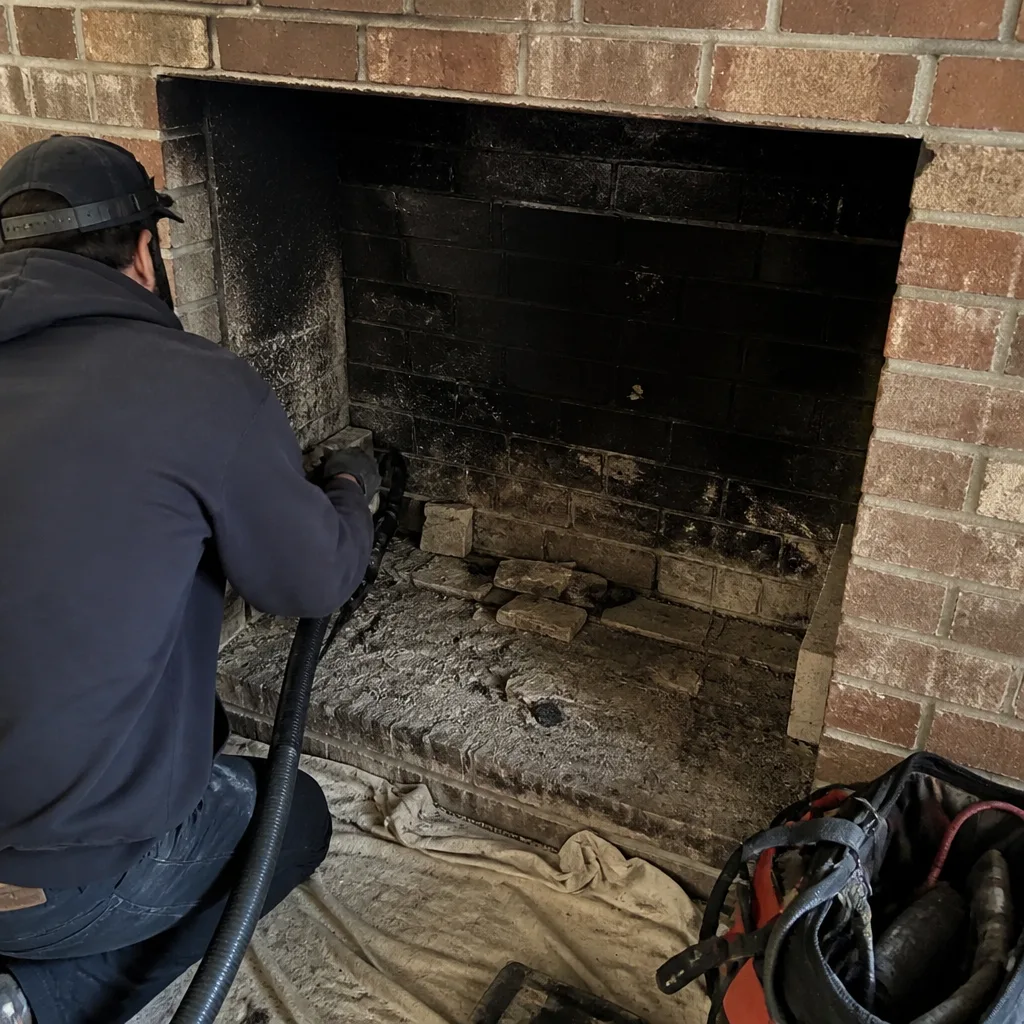 Before
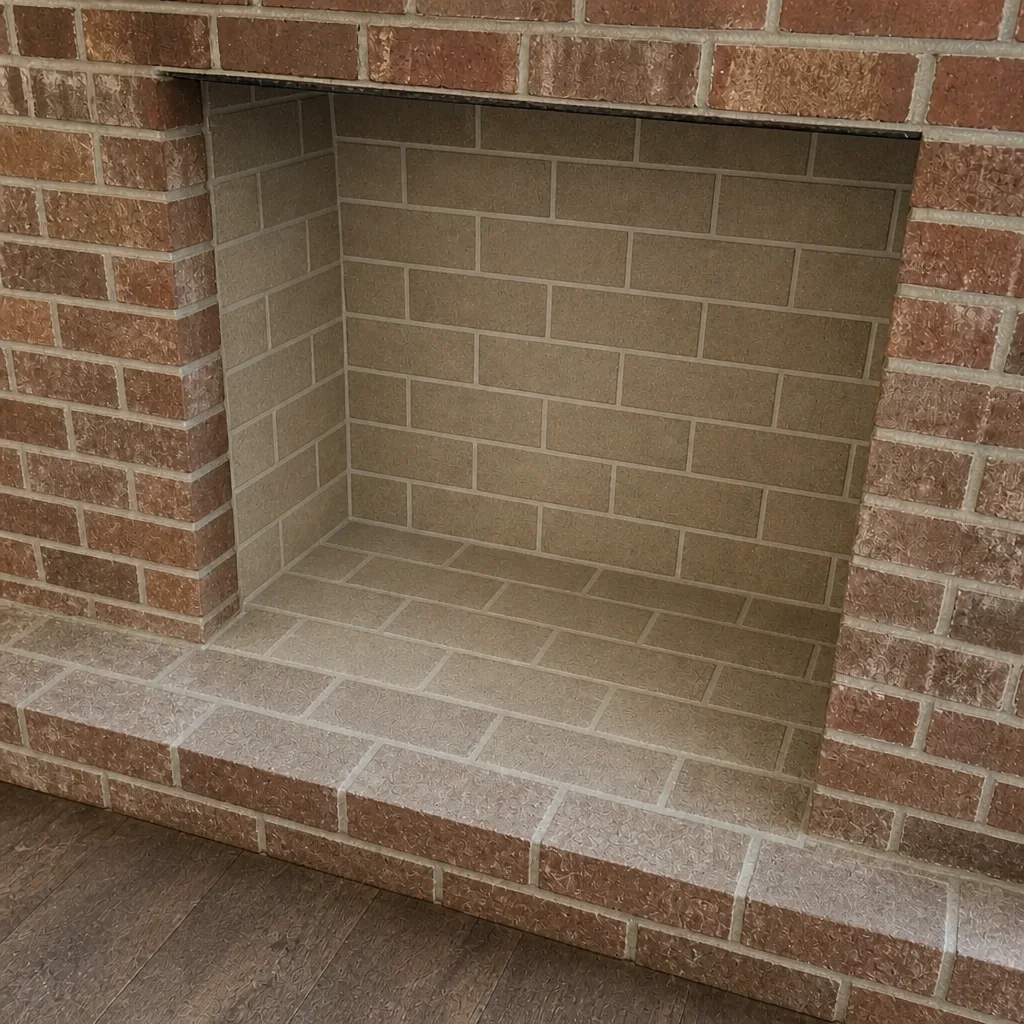 After
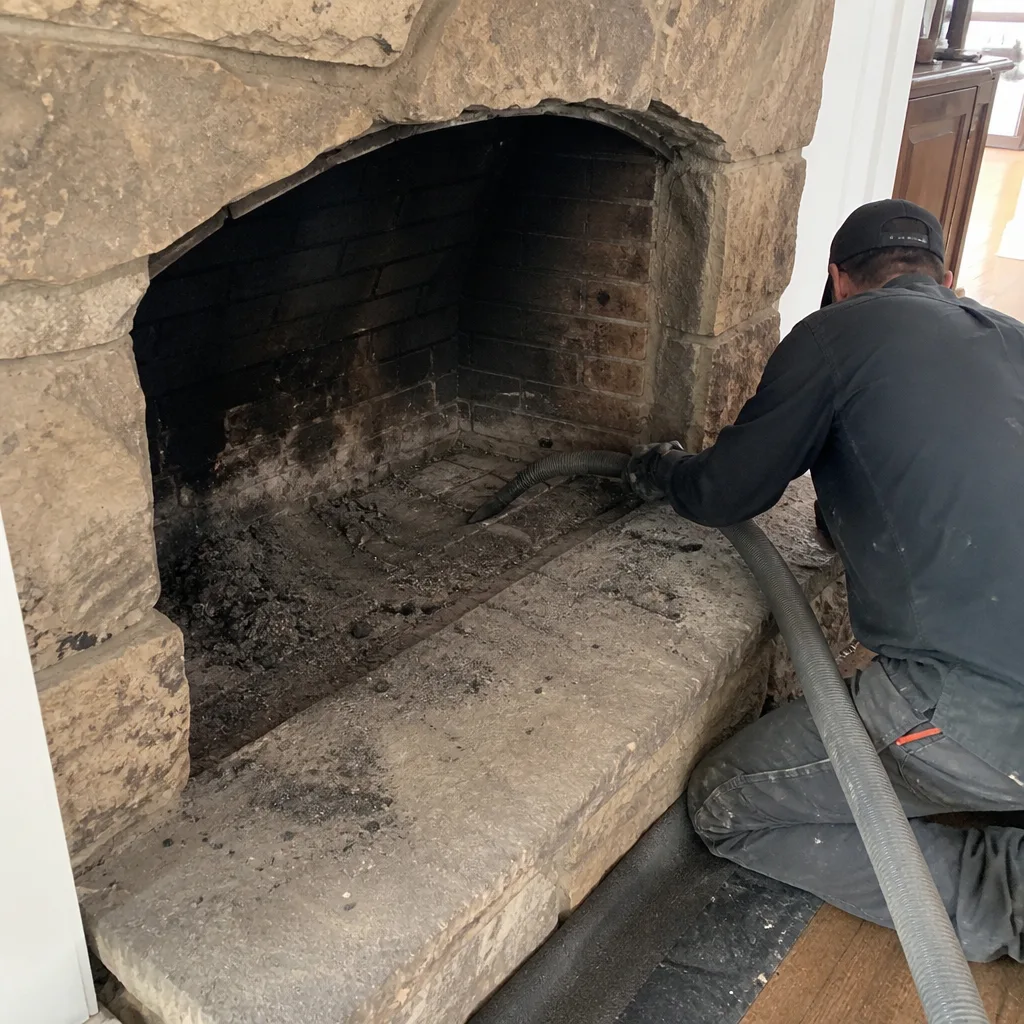 Before
 After
 Before
 After
When to Call a Professional
Call a professional chimney contractor if the flue has never been inspected, if it’s been three or more seasons since the last sweep, if you’re buying or selling a home with a wood-burning fireplace, if you’ve had a chimney fire (even a small one), if you’ve noticed water staining on the chimney ceiling or the damper, or if you’ve never seen the inside of your flue and don’t know what’s there. Those are all reasons to bring in someone who can document what they find before anything gets repaired. Our team at University Park Chimney Sweep offers free estimates in University Park, and inspection is a standalone service, so you can find out the condition of the chimney without committing to a repair. Call (888) 848-9521. We answer 24/7. Fast dispatch from 7am to 7pm, Sunday through Friday.
Frequently Asked Questions
No. Routine chimney cleaning in University Park does not typically require a permit, because sweeping is maintenance rather than construction. Permits come into play when work moves from cleaning to altering the flue or chimney structure, such as relining, repointing mortar, or replacing a crown or cap. Call (888) 848-9521 for an exact quote – estimates are free.
NFPA 211 requires a Level II inspection when a property changes hands, and that standard flows through the code that governs the transaction in Colorado. In practice, most purchase contracts in University Park ask for one, and a buyer’s lender or insurer may require documentation. A Level II inspection includes video coverage of the full flue; a Level I visual inspection does not. Call (888) 848-9521 to schedule one.
You can check the permit records with the county building department (for unincorporated Arapahoe County) or the city building department if the property is incorporated. Permit records typically show the scope of work and the contractor. If there’s no record, a Level II inspection gives you current documentation of the liner’s condition, which becomes your record going forward. Call (888) 848-9521 for an inspection.
Skipping inspection doesn’t cause a problem on its own – the flue’s condition is what it is whether or not anyone has looked. The risk is what you don’t know: a cracked flue tile, a failed crown, or heavy creosote buildup can go undetected for years. The finding most often comes up at the worst time, during a home sale or after a fire, when a records problem is harder to solve. Call (888) 848-9521 for an inspection before the next burning season.
NFPA 211 is the national chimney standard adopted through local code, and it applies to wood-burning chimneys in University Park. It requires a continuous flue in serviceable condition, proper clearance to combustibles, correct flue sizing for the appliance, and a functional crown. Those are the standards a code official inspects against when a liner or masonry permit is closed out. Call (888) 848-9521 if you want an inspection against the standard.
A missing record is not itself a violation, but it’s a reason to inspect. A Level II inspection gives you a dated, photographed documentation of the flue’s present condition, and that becomes the record you can produce at the next home sale. If it finds deteriorated liner or a failing crown, you know the scope of the next step. Call (888) 848-9521 for a standalone inspection with no repair commitment.
The Bottom Line
Chimney cleaning in University Park doesn’t require a permit, but the moment work moves into repairs – relining, resurfacing, repointing, crowns, or caps – it usually does, and the paperwork matters more than the work itself. NFPA 211 governs the condition of the flue, and a Level II inspection is required when a home sells, when an appliance changes, and after a chimney fire. If you can’t locate prior records, an inspection is the answer. A permitted job with an inspection report is a small up-front cost next to the sale delay it prevents later.
If you’re not sure which side of the permit line your chimney falls on, call University Park Chimney Sweep at (888) 848-9521 for a free estimate. We answer 24/7. Fast dispatch from 7am to 7pm, Sunday through Friday.
Written by the team at University Park Chimney Sweep.