
Last updated November 24, 2026
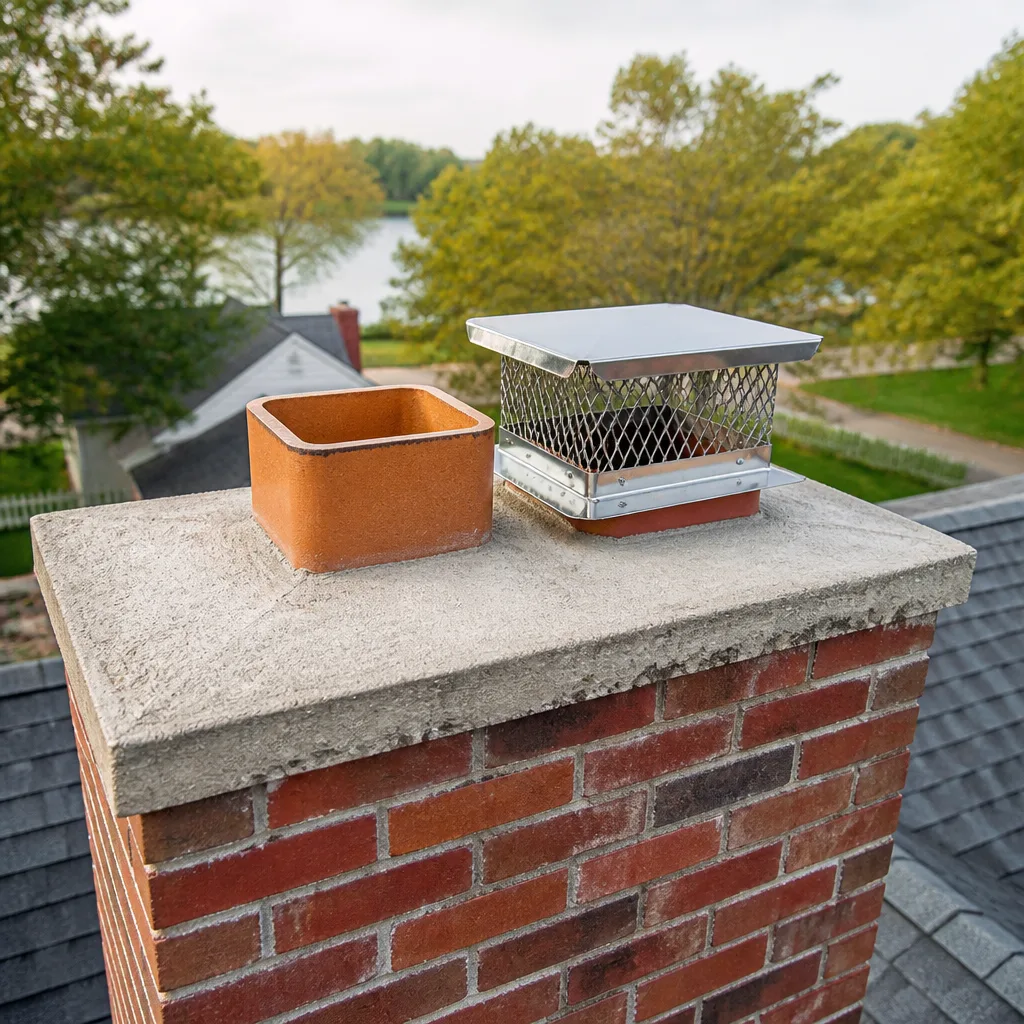 Sweep & inspection
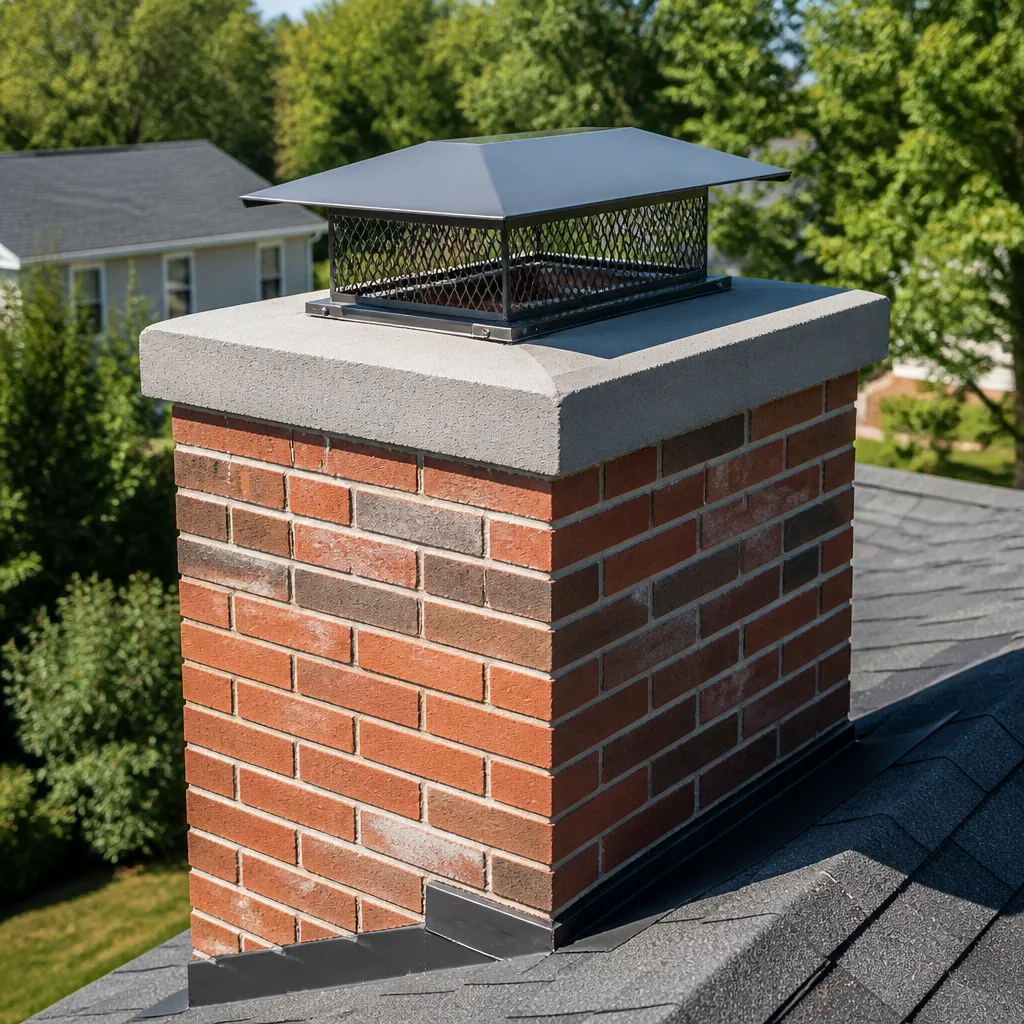 Caps & crowns
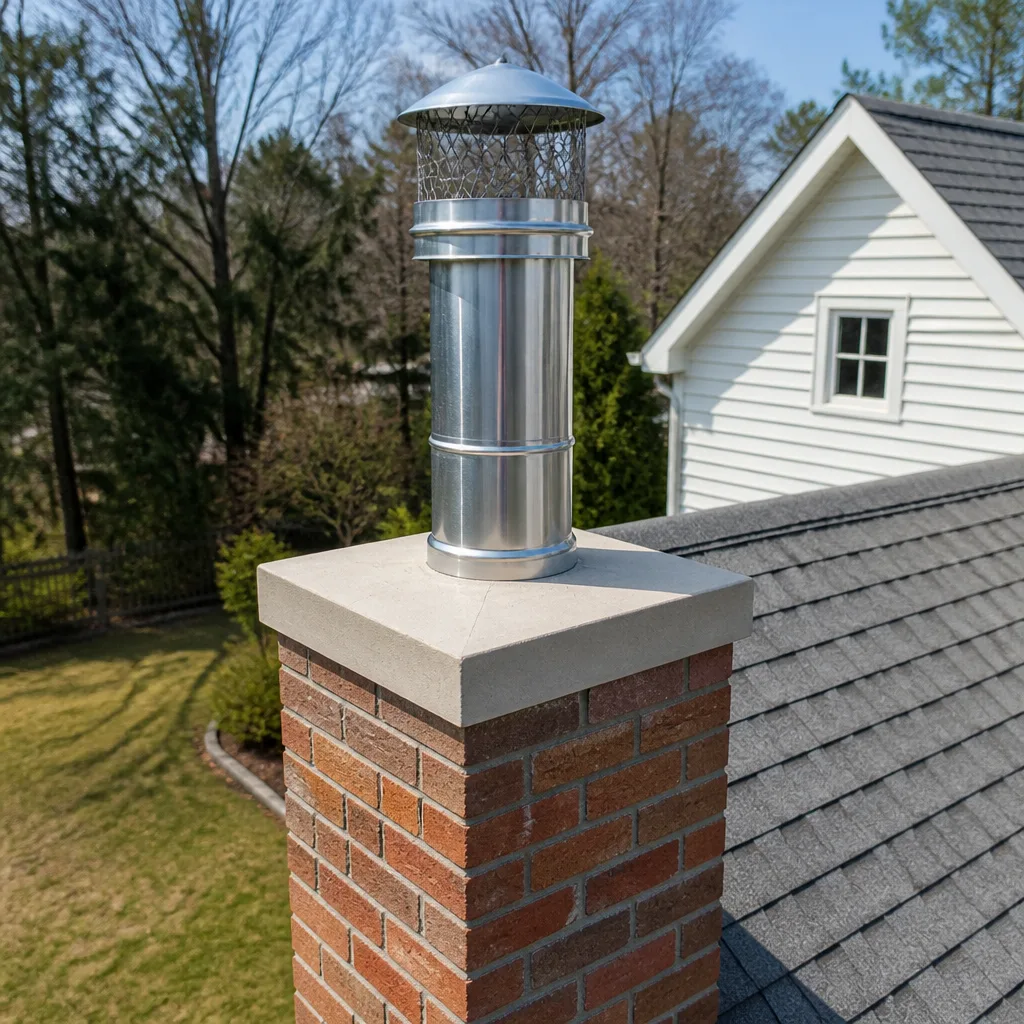 Flue relining
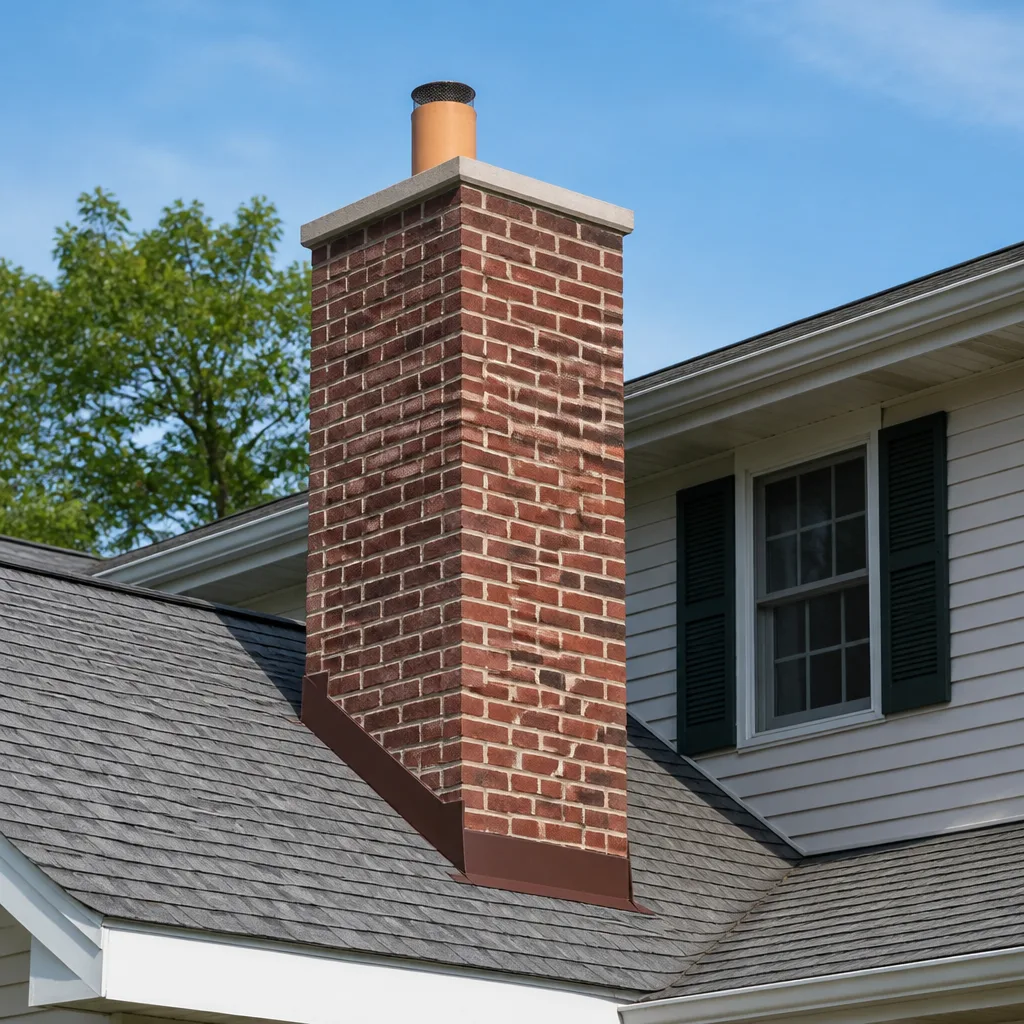 Masonry repair
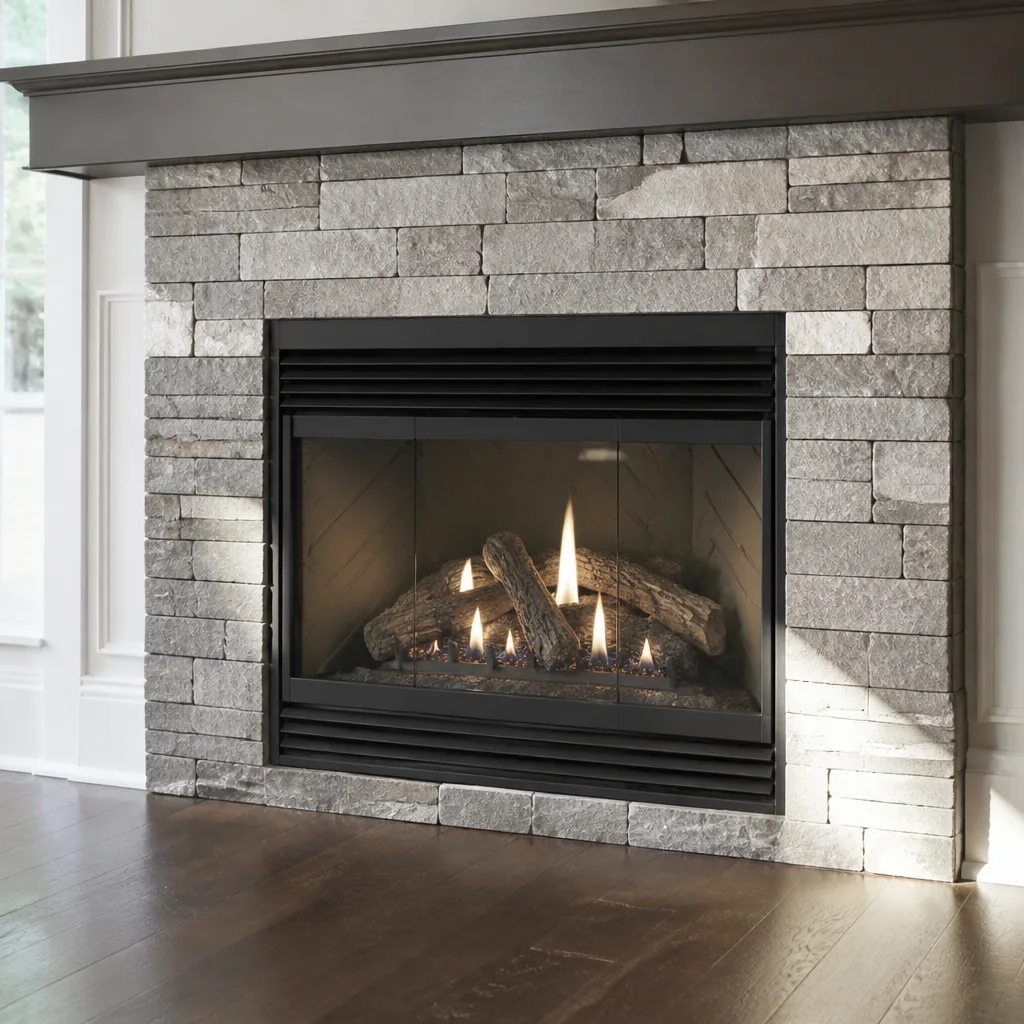 Gas fireplace service
Level 1 sweep and inspection to the NFPA 211 annual standard - flue, crown, cap, and flashing checked and photographed
Chimney sweep logs do not sweep chimneys. They loosen some creosote - which then falls where a brush and vacuum still have to collect it.
The Complete Guide to Chimney Cleaning in University Park
Most chimney guides treat cleaning as a single task: run a brush down the flue, vacuum up the soot, call it done. That framing works fine at sea level. At 5,600 feet, it doesn’t. Wood burns differently up here. Incomplete combustion is more common, creosote accumulates faster, and what passes as “clean enough” in a low-elevation home isn’t safe in University Park. A chimney is a system – liner, smoke chamber, firebox, damper, and cap all interact – and cleaning one component while ignoring the rest leaves the whole stack at risk. This guide walks through how chimney cleaning actually works in University Park, what a complete job should involve, and how to tell whether yours was done right.
Quick Answer
Chimney cleaning in University Park means more than sweeping the flue. A complete service includes the firebox, smoke chamber, damper, flue liner, and cap – and it should come with a written report and photos of what was found. Because University Park sits at roughly 5,600 feet, creosote builds up faster than at lower elevations, so annual cleaning and inspection matters more here than in most of the country.
Styles & brands we work with
- Sweep & inspection
- Caps & crowns
- Flue relining
- Masonry repair
- Gas fireplace service
Table of Contents
- Why Elevation Changes Everything About Chimney Cleaning in University Park
- The Five Components of a Complete Chimney Cleaning
- CSIA Level I vs Level II Inspections: When Each Applies
- Why Brushes and Rods Matter for Stainless and Clay Tile Liners
- What a Completed Job Report Should Include
- How Often Should You Schedule Chimney Cleaning in University Park?
- What Does Chimney Cleaning Cost in University Park?
- What You Can Check Yourself and What You Shouldn’t
Why Elevation Changes Everything About Chimney Cleaning in University Park
Combustion is a chemistry problem, and altitude changes the chemistry. Air at 5,600 feet is thinner – lower atmospheric pressure means less oxygen per cubic foot than at sea level. A fire that draws well at 500 feet may smolder at 5,600, and smoldering fires produce far more creosote than hot, clean-burning ones. That’s the core reason chimney cleaning in University Park isn’t interchangeable with chimney cleaning anywhere else.
What does that mean in practice? Three things:
- Cooler flue gases. Thinner air carries less heat up the stack, so flue temperatures stay lower. Cooler flue walls give creosote vapor more opportunity to condense and stick.
- More incomplete combustion. A fire starved of oxygen doesn’t burn all its fuel. The unburned wood gas becomes creosote on the way up.
- Faster accumulation. The combination of cooler flue gases and more incomplete combustion means creosote builds up in fewer burn cycles than it would at lower elevation.
University Park’s climate adds to the picture. Long, cold winters mean the fireplace runs hard for months, and the shoulder seasons bring temperature swings that cause the masonry to expand and contract. That cycling is hard on mortar joints and crowns, which is one reason we treat cleaning as a chance to inspect the whole system – not just the inside of the flue. If a crown has a hairline crack from winter freeze-thaw, we want to catch it before spring rains find it. Our chimney cap & crown service handles that repair once we’ve identified it.
Homeowners who moved to University Park from lower elevations often bring habits that don’t transfer. A once-every-few-years cleaning schedule that worked in a coastal city will leave your flue dangerously loaded here. We’d rather tell you that plainly than let you find out the hard way.
The Five Components of a Complete Chimney Cleaning
A complete chimney cleaning touches five parts of the system, and skipping any one of them leaves a gap. Here’s what each piece does and what cleaning it reveals.
- The firebox. This is where the fire actually sits, and it takes the worst of the heat and soot. Cleaning it means removing ash, scraping creosote off the walls, and checking the firebrick and mortar for cracks. Damaged firebrick is a common finding in University Park homes that burn hard through the winter.
- The damper. The metal plate that opens and closes the flue. It gets crusted with soot and can seize open or shut. A damper stuck partially closed starves the fire of draft, which makes creosote build even faster – so it’s a direct contributor to the problem you’re trying to solve.
- The smoke chamber. This is the sloped area above the damper and below the flue, and it’s the most commonly skipped part of a cleaning. Creosote glazes onto those sloped walls, and a lot of “clean” chimneys have a smoke chamber nobody touched. It’s also where chimney fires often start, because the glazed creosote there is thick and close to the fire.
- The flue liner. The vertical passage the smoke travels up. Whether it’s clay tile or stainless steel, it needs brushing with the right tool and a camera inspection to confirm the brush actually cleared the walls and that the liner itself is intact.
- The cap and crown. The cap keeps rain, birds, and debris out of the flue. The crown is the concrete top of the chimney that sheds water away from the masonry. A cracked crown or a missing cap lets water in, and water plus soot equals a slow-motion structural problem.
When we schedule a cleaning in University Park, all five of these get addressed. We’ll tell you exactly what we find at each one, with photos. If the smoke chamber needs resurfacing, we use HeatShield, a repair material designed specifically for that surface. If a liner is failing, we can line or reline it with DuraFlex systems for wood, gas, or oil appliances in a single visit rather than handing you off to someone else.
CSIA Level I vs Level II Inspections: When Each Applies
Not every cleaning needs the same depth of inspection, and knowing which level applies to your situation helps you ask the right questions. The Chimney Safety Institute of America (CSIA) defines three inspection levels; the two that matter for most homeowners are Level I and Level II.
Level I Inspection
A Level I is the routine inspection you get with an annual cleaning. It covers the readily accessible portions of the chimney – the firebox, damper, smoke chamber, and as much of the flue as can be seen – plus the exterior cap and crown. If nothing has changed since the last inspection and you’re burning the same appliance the same way, Level I is usually sufficient. It’s the baseline check that confirms the system is safe to use for another season.
Level II Inspection
A Level II goes further. It includes everything in a Level I plus a video camera scan of the entire flue interior, and it covers accessible attic and crawl space areas. A Level II is what you want when something has changed – and there are specific triggers that call for an upgrade:
- A new home purchase. You don’t know the chimney’s history. A Level II tells you what you actually bought before you light the first fire.
- A change in appliance or fuel. Switching from wood to gas, or installing a new insert, changes how the flue performs and requires a camera scan.
- A chimney fire, even a small one. Damage inside a liner can be invisible from the firebox. Only a camera finds it.
- Visible damage or a persistent draft problem. Cracks in the masonry, water stains on the ceiling, or smoke that won’t draw properly all point to a Level II.
- After a seismic event or major storm. Any structural shift warrants a camera scan.
At University Park Chimney Sweep, we offer inspection as a standalone service – not just an upsell attached to cleaning. If you want to know what your chimney actually needs before committing to any repair, that’s a perfectly good reason to call us. A camera scan and a written report cost far less than the repairs you’d avoid by catching a problem early.
Why Brushes and Rods Matter for Stainless and Clay Tile Liners
The tools matter more than most homeowners realize. A flue liner is a specific material with specific properties, and the wrong brush or rod can either leave creosote behind or damage the liner. There are two liner types in most University Park homes: clay tile and stainless steel.
Clay tile. Clay tile liners are brittle and the mortar joints between tiles are the weak point. A stiff polypropylene brush is the right tool – it has enough bite to clear glazed creosote off the tile face without chipping the tile or scraping out the joints. Metal brushes on clay tile can be too aggressive over time, especially on older liners with softening mortar. We match the brush to the liner material.
Stainless steel. Flexible stainless liners – the kind we install with DuraFlex – have a smooth interior that’s easier to clean but sensitive to the wrong tool. A brush with hard metal bristles can scratch the surface, and scratches become spots where creosote glazes and sticks. A properly sized poly brush with flexible rods follows the liner’s curves, clears the glaze, and leaves the surface intact.
The rods matter just as much. Cheap rods kink, whip the brush against the liner wall, and don’t give the technician the control to feel where the creosote is thickest. We use professional-grade rods and brushes sourced from supply brands like Olympia Chimney, Copperfield, Famco, and Gelco – the same distributors professional chimney contractors buy from, not hardware-store generics.
One more point on sizing. A brush that’s too small skips the liner wall; too large and it won’t pass through the flue. The brush has to match the liner’s actual inner dimension, which is why we measure rather than guess. If you’ve ever watched someone sweep a flue and thought “that was quick,” the brush they used may have been undersized.
What a Completed Job Report Should Include
A written job report is your evidence that the work happened and your record of what the system needs going forward. If you get a sweep and no report, you have no way to verify the job was done completely. Here’s what a proper report should contain:
- Before-and-after photos of every component. The firebox, the damper, the smoke chamber, and the flue. Photos of the smoke chamber are especially important because it’s the most commonly skipped area – if there’s no photo of it, ask why.
- Creosote assessment. The report should describe the degree of creosote buildup and where it was found. Glazed creosote (the hard, shiny, tar-like kind) is a different problem than light soot, and it needs different treatment.
- Condition notes on the liner. Cracks, gaps in tile joints, or visible damage in the stainless liner. If there’s a concern, the report should say so, with a photo.
- Crown and cap condition. Cracks in the crown, a loose or missing cap, or signs of water intrusion. These are exterior findings that need documenting before they get worse.
- Repair recommendations with reasoning. Anything recommended should come with a clear explanation of why and a photo that shows it – not just a line item on an invoice.
- A record of the inspection level performed. Whether it was a Level I or Level II belongs in the report, so the next inspector knows what’s already been checked.
How do you verify the sweep actually cleaned the smoke chamber? Ask to see the before-and-after photos. The smoke chamber is the sloped area above the damper – it should look clean and smooth, not crusted with soot. If a report doesn’t include a photo of it, that’s a fair question to raise. We include it every time because we’d want to see it ourselves. You can see what a full sweep involves on our chimney sweep page.
How Often Should You Schedule Chimney Cleaning in University Park?
Once a year is the baseline for most University Park homes. The CSIA recommends annual inspection and cleaning for any chimney in regular use, and higher elevation makes the annual cadence more important, not less. But “annual” isn’t a rule for every home. Some situations call for more frequent cleaning:
- Heavy burning. If you light a fire most winter evenings, you’re accumulating creosote faster than a home that burns a few cords a year.
- Green or unseasoned wood. Damp wood burns cooler and dirtier, producing more creosote per fire. Seasoned hardwood burned hot is the difference between a light cleaning and a heavy one.
- A fireplace insert or a changed appliance. Inserts run hotter and can change drafting patterns. They need a check after installation and a regular inspection schedule.
- A home you just bought in University Park. A pre-purchase or move-in inspection tells you what you inherited. We recommend it before the first fire in a new home.
- Any previous chimney fire. A chimney fire can crack a liner or damage the masonry even if it doesn’t look serious from the outside. That calls for a Level II inspection regardless of how recently the chimney was cleaned.
If your chimney hasn’t been cleaned in several years and you’re not sure of its condition, don’t wait for a schedule. Book an inspection. We’d rather tell you the chimney is fine than have you guess.
What Does Chimney Cleaning Cost in University Park?
Chimney cleaning in University Park is priced per job by a written estimate. We don’t publish a single flat number because the work depends on the chimney: the length of the flue, the level of buildup, whether an inspection is included, and whether the smoke chamber needs resurfacing. The written estimate sets the final price before any work starts, and the estimate itself is free.
What the price covers matters as much as the number. A quote for “a sweep” that doesn’t include the smoke chamber, a camera check, or a written report isn’t the same job as one that does. Ask what’s included, and ask specifically about the smoke chamber and the inspection level. If those don’t appear in the quote, the price isn’t comparable.
You should also know what a cleaning doesn’t include. Repairs – a cracked crown, a failing liner, a damaged damper – are separate work with their own estimate. We’ll show you the photos that justify any repair before we recommend it, and we’ll tell you when something can safely wait. If the crown has a minor cosmetic crack that isn’t letting water in, that’s a wait. If the liner has a gap that lets heat reach combustibles, that’s not.
Our technicians have up to 15 years of experience, which means we’ve seen the range of what’s under University Park roofs – from newer stainless installations to older masonry chimneys that predate the current code requirements. For an exact quote, call (888) 848-9521. Estimates are free.
What You Can Check Yourself and What You Shouldn’t
There’s a useful line between what a homeowner can safely check and what belongs to a trained professional. Walking that line correctly keeps you safe and gives you better questions to ask.
What you can check: Open the damper and look up with a flashlight. You can see the firebox walls, the damper plate, and the first few feet of the flue. Look for crumbling mortar, cracked firebrick, and heavy soot. From the ground, look at the chimney cap and crown for visible cracks or missing pieces. Test the draft by lighting a small piece of paper near the damper and watching the smoke – if it doesn’t rise cleanly up the flue, the chimney has a draft problem worth investigating.
What you shouldn’t attempt: Anything above the firebox. The flue, the smoke chamber, and the cap require ladders, proper brushes, and the training to read what you’re seeing. More importantly, a chimney can hide structural problems you can’t see from the firebox – a cracked liner behind the tile, a gap where heat can reach framing. This is also true of any work that touches the flue liner or the chimney structure, and high work on the roof is genuinely dangerous. A trained professional has the equipment and the experience to do it safely and to tell you what it means. Our fireplace repair service covers the components you can’t safely reach.
We’d add a specific caution about chimney fires. A slow, smoldering fire fed by glazed creosote can go unnoticed and still damage a liner. If you ever hear a low roaring sound, see flames or sparks at the top of the chimney, or smell a strong burning odor that doesn’t clear, treat it as a chimney fire: get out, call the fire department, and don’t use the chimney again until it’s been inspected. Safety isn’t a sales angle – it’s the reason we do the inspection at all.
Common Mistakes to Avoid
- Skipping the smoke chamber. It’s the most commonly neglected part of a cleaning, and it’s where creosote glazes and chimney fires start. Ask for photo evidence it was cleaned.
- Using an undersized brush. A brush that doesn’t match the liner’s inner dimension leaves the walls coated. The sweep should measure, not guess.
- Burning unseasoned wood to save money. Damp wood burns cooler and dirtier, building creosote faster in University Park’s thin air than dry, seasoned hardwood would.
- Assuming a lower-elevation cleaning schedule works here. The once-every-few-years habit from a lower city leaves a lot of creosote in a 5,600-foot flue.
- Ignoring the cap and crown. A cracked crown or missing cap lets water into the masonry, and water damage compounds quietly through the freeze-thaw cycle.
- Accepting “you need a new liner” without a camera scan. A liner recommendation should always come with video evidence you can see for yourself. If it doesn’t, get a second opinion.
- Waiting until the first cold snap. Everyone in University Park books a cleaning when the first cold front arrives. Scheduling before the burning season means you’re not waiting in a line.
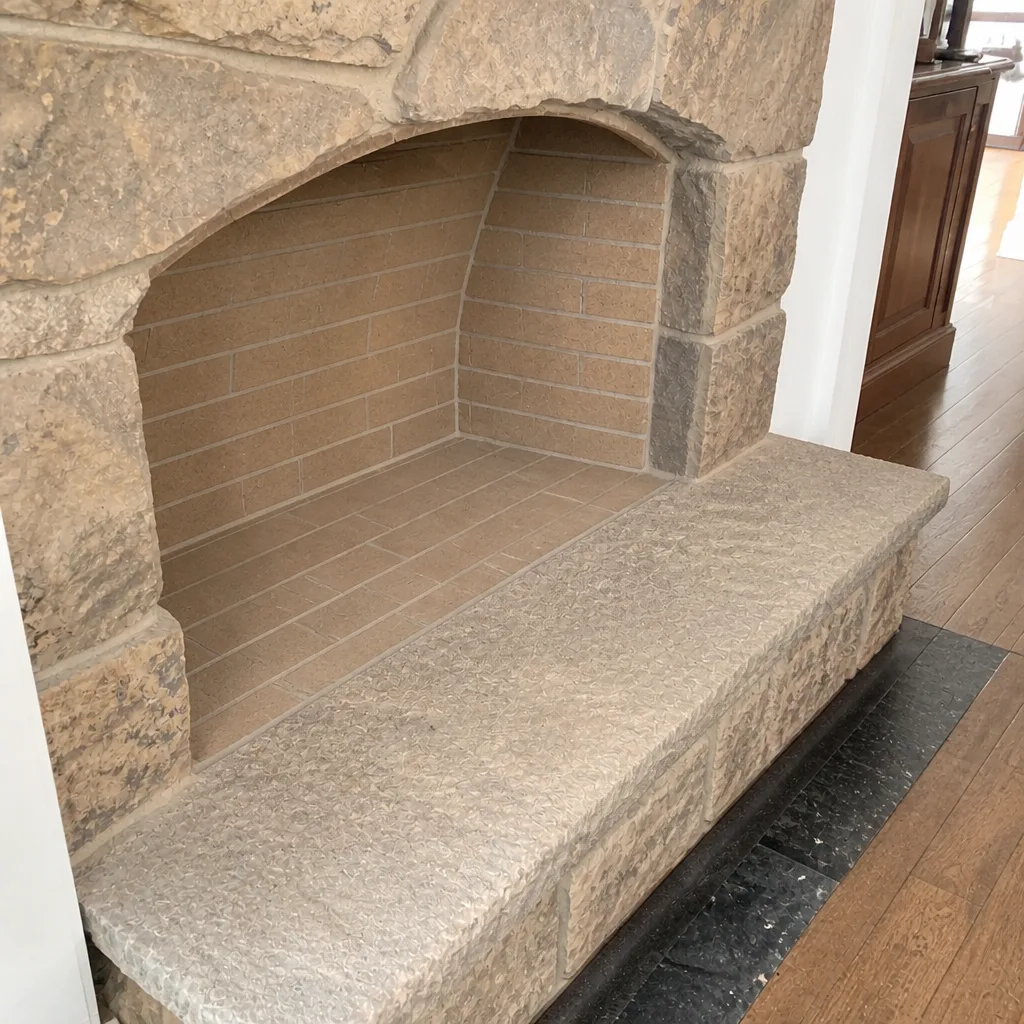
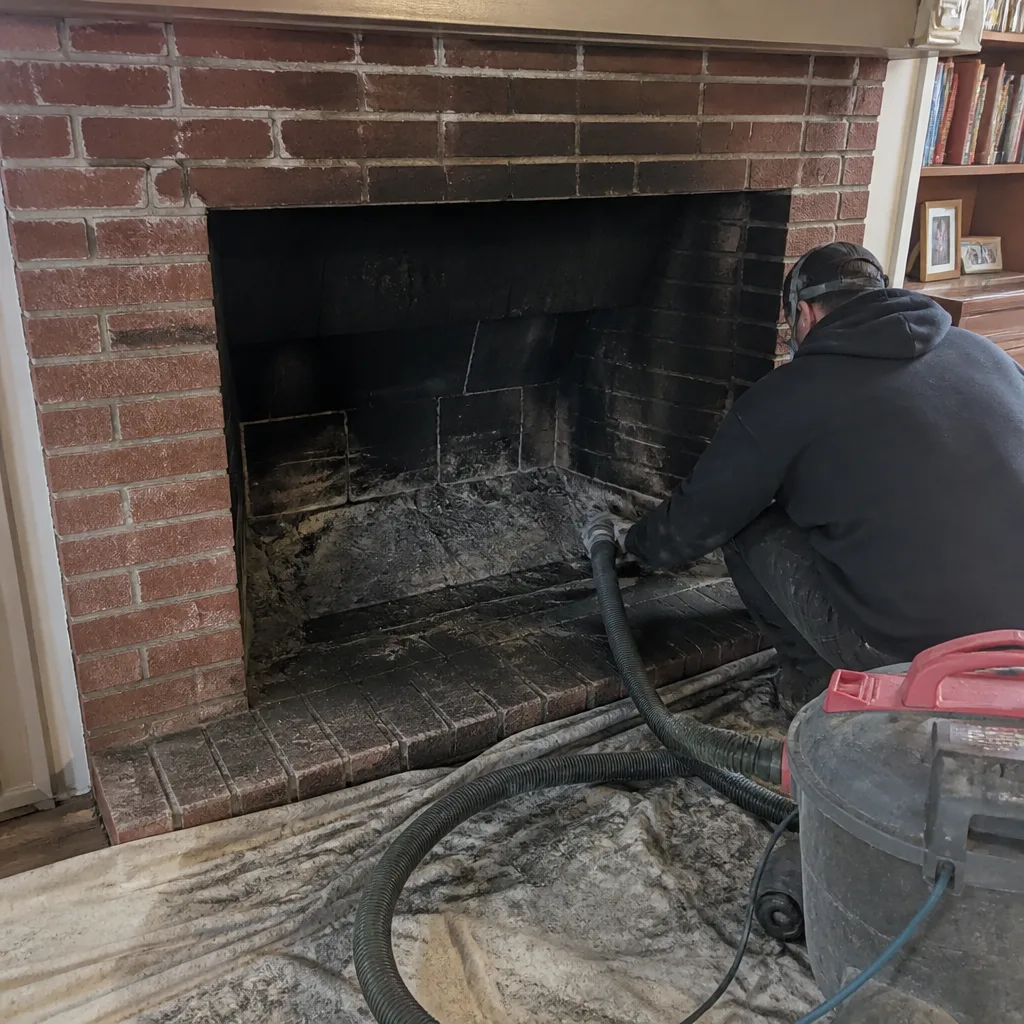
See the difference
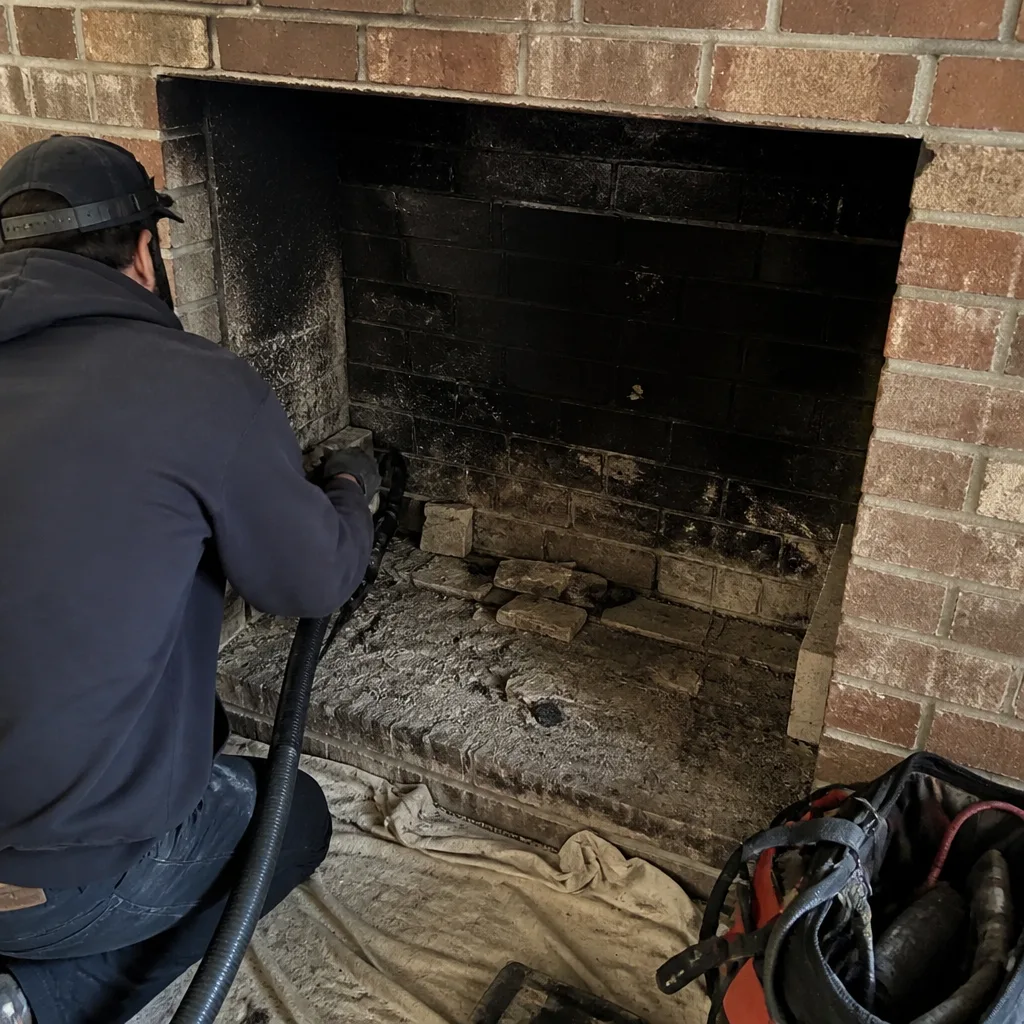 Before
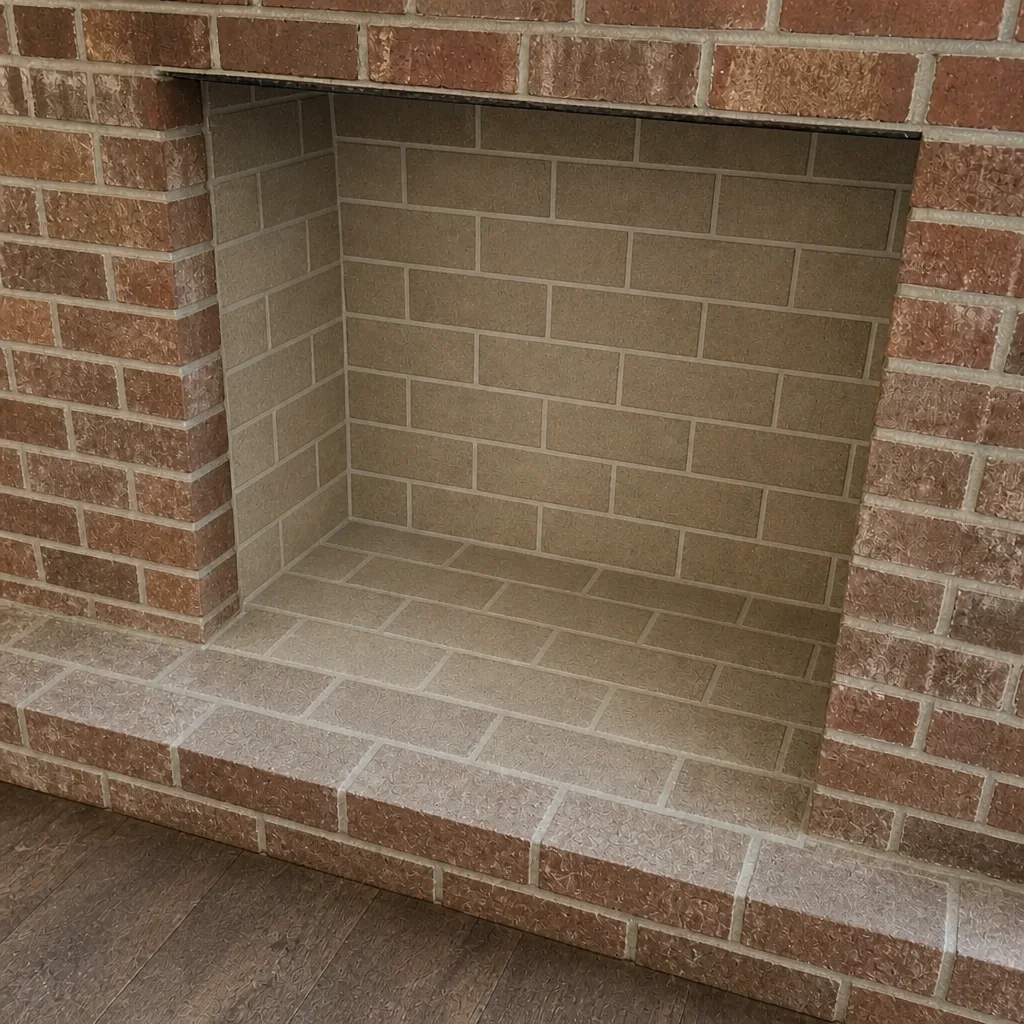 After
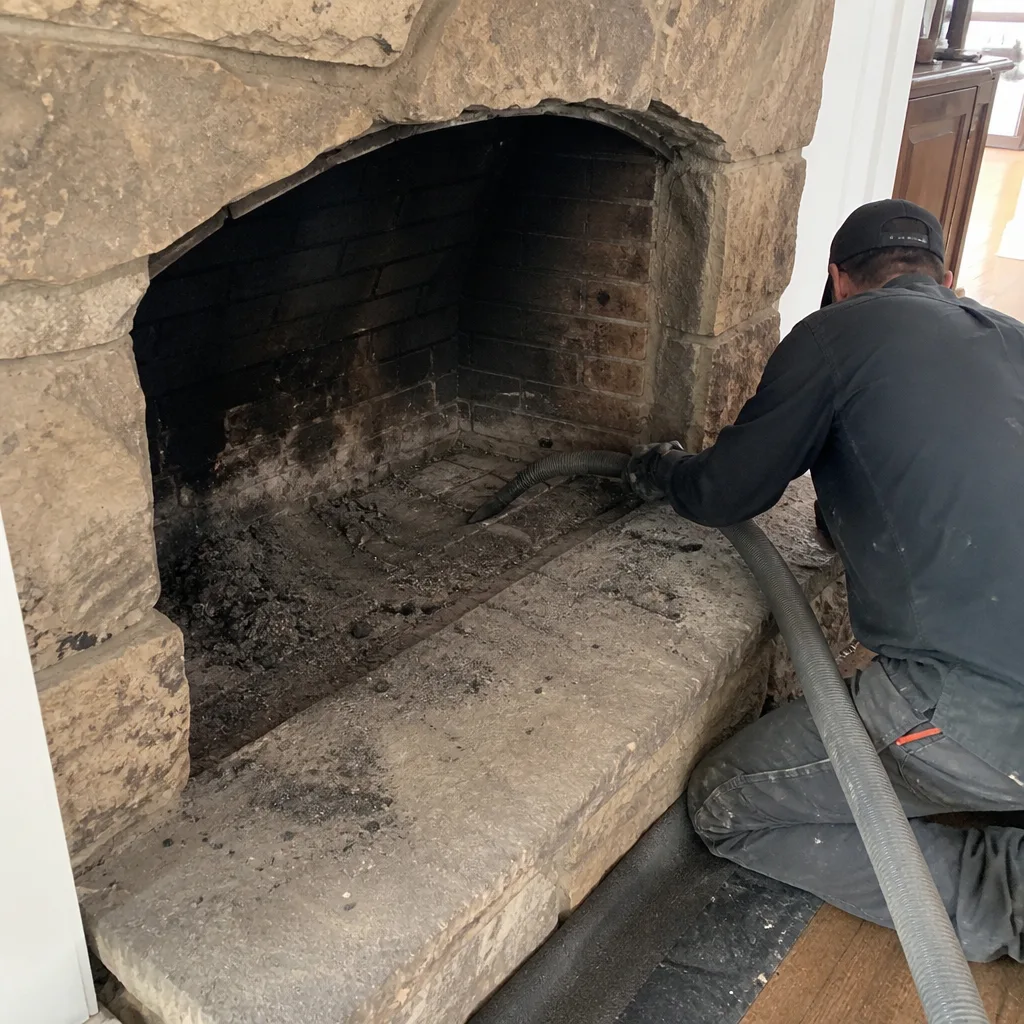 Before
 After
 Before
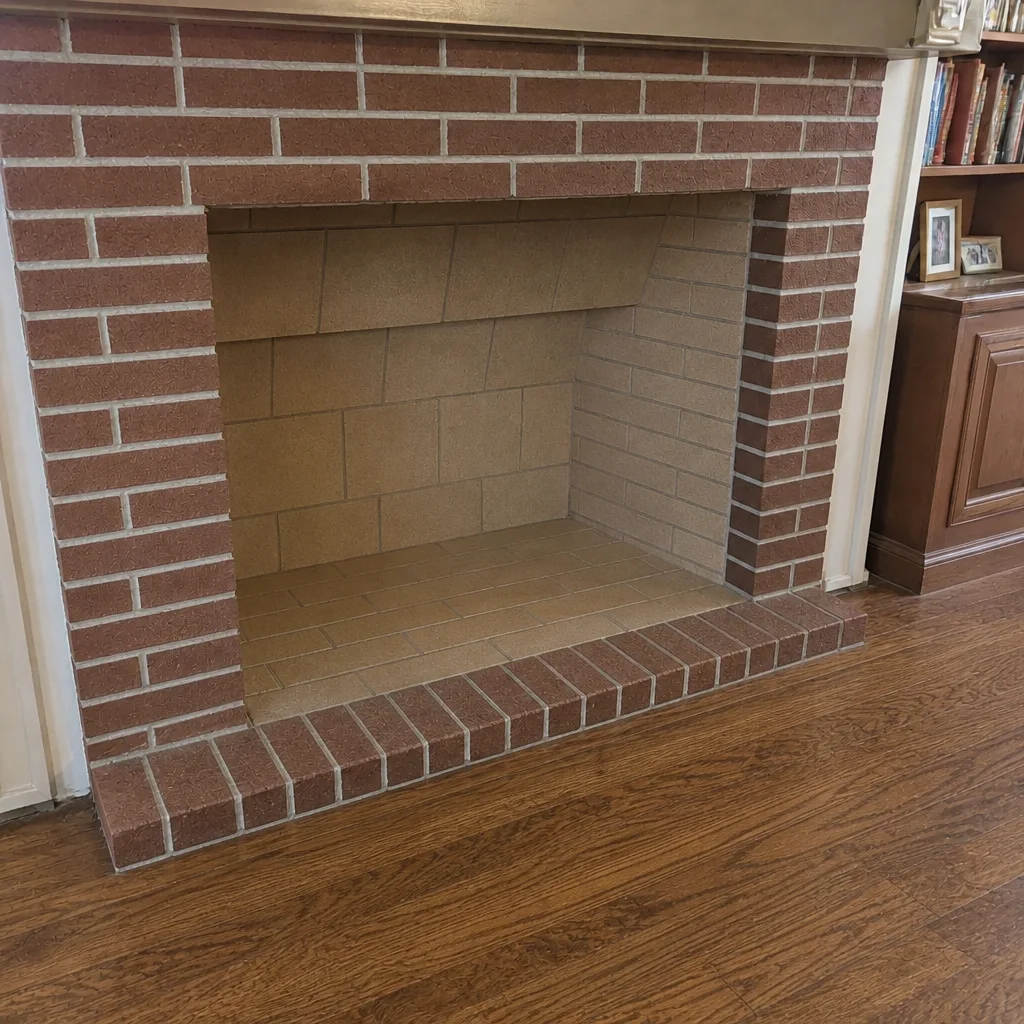 After
When to Call a Professional
Some situations clearly call for a professional. If you’ve just bought a home in University Park with an existing chimney, book an inspection before the first fire. If your fire smokes back into the room, drafts poorly, or you smell a strong creosote odor on warm days, that’s a call. If you’ve had a chimney fire, even a small one, stop using the chimney and get a Level II inspection. If you’ve never had the chimney cleaned and don’t know its history, that’s reason enough. And if the cap is missing or the crown is cracked, that’s repair work that should happen before the next freeze-thaw cycle.
University Park Chimney Sweep offers free estimates in University Park – call (888) 848-9521. We answer 24/7. Fast dispatch from 7am to 7pm, Sunday through Friday. We’ll tell you exactly what we find, with photos, and nothing gets recommended that we can’t show you the evidence for. One call covers sweeping, inspection, and repair. You don’t need a different contractor for each. For the sweep and inspection itself, see our chimney sweep page, and for the exterior components, our chimney cap & crown service.
Frequently Asked Questions
Chimney cleaning in University Park is priced per job by a written estimate, and the estimate is free. The price depends on the flue length, the level of creosote buildup, and whether an inspection or smoke chamber work is included. Call (888) 848-9521 for an exact quote.
Only if the existing liner is actually damaged, and you should never take that on faith. A liner recommendation should come with a camera scan and photos you can see for yourself. If the liner is intact, we’ll tell you so. If it’s not, we can line it with a DuraFlex system for wood, gas, or oil appliances. Call (888) 848-9521 to schedule an inspection.
Once a year for most homes in regular use, and more often if you burn heavily, burn unseasoned wood, or use an insert. University Park’s 5,600-foot elevation makes creosote accumulate faster than at lower elevations, so the annual cadence matters more here. Call (888) 848-9521 to book a cleaning.
Creosote keeps building up on the flue walls and in the smoke chamber, and glazed creosote is the fuel that chimney fires feed on. A blocked or restricted flue can also push carbon monoxide back into the home. Skipping a cleaning doesn’t cause a problem instantly, but it removes your margin for error. Call (888) 848-9521 before the next burning season.
A Level I is the routine annual check of the accessible chimney components. A Level II adds a video camera scan of the full flue and covers attic and crawl space access. A Level II is what you want after buying a home, changing an appliance, or having a chimney fire. We offer inspection as a standalone service. Call (888) 848-9521 to schedule one.
In many cases, yes. We carry DuraFlex flexible liner systems, so we can sweep and reline for wood, gas, or oil appliances without sending you to another contractor. The inspection determines whether relining is needed and what size liner fits. Call (888) 848-9521 for an estimate.
The Bottom Line
Chimney cleaning in University Park isn’t a single task. It’s five components checked and cleaned together, at an elevation where creosote builds faster than most homeowners expect. A proper job includes the firebox, damper, smoke chamber, flue, and cap, a written report with photos, and a clear inspection level. Anything less leaves a gap in the system. University Park Chimney Sweep handles sweeping, inspection, repair, and relining as a chimney-only specialist. We work with HeatShield, DuraFlex, and professional supply brands because the materials matter. And we’ll tell you exactly what we find, with photos you can see. Before you light a fire this season, call (888) 848-9521 for a free estimate. We answer 24/7. Fast dispatch from 7am to 7pm, Sunday through Friday.
Written by the team at University Park Chimney Sweep.