
Last updated November 24, 2026
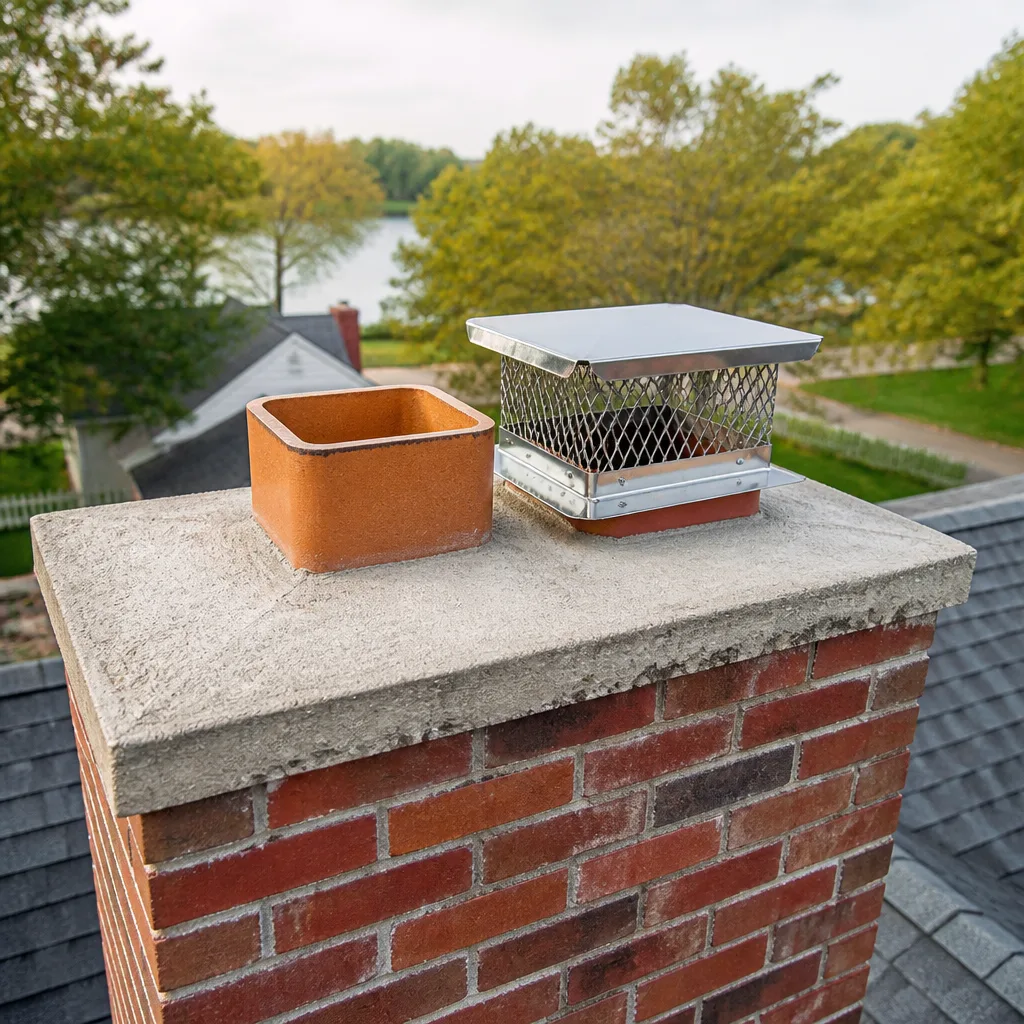 Sweep & inspection
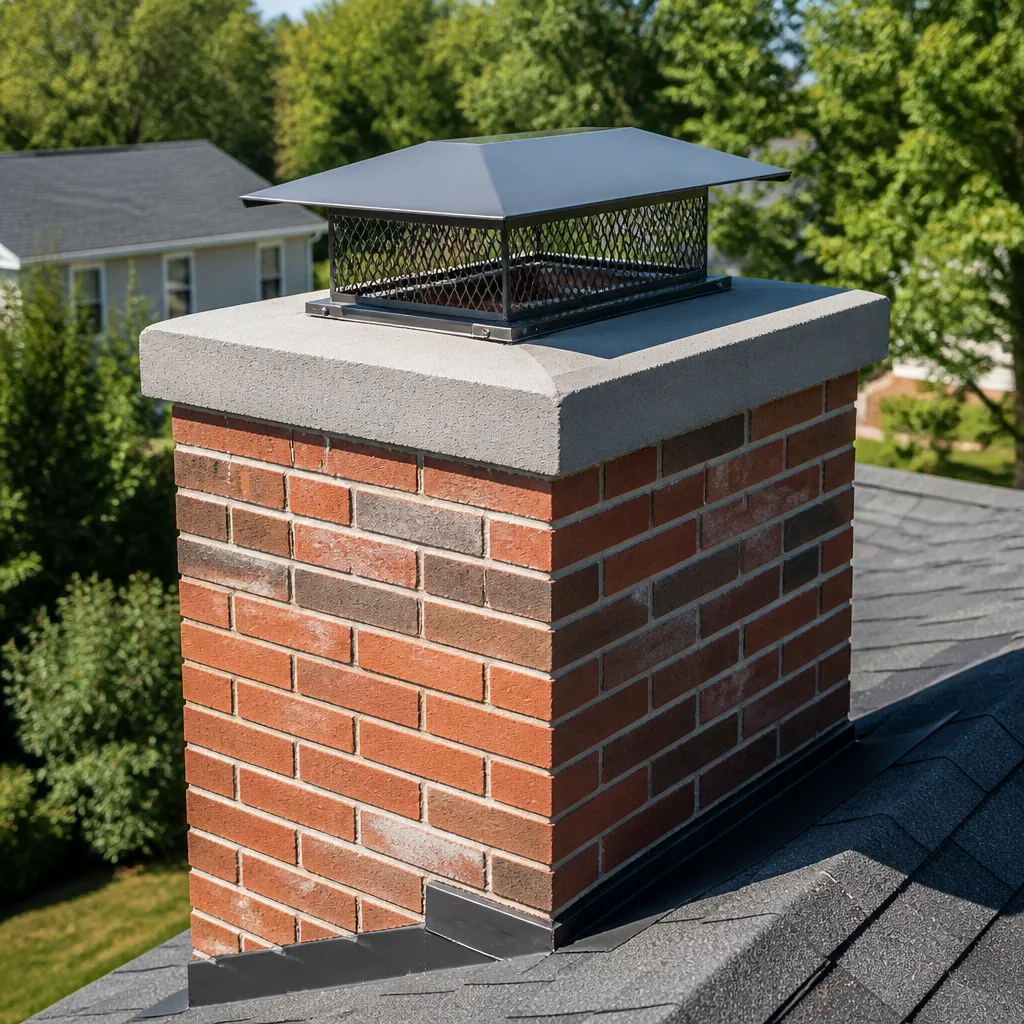 Caps & crowns
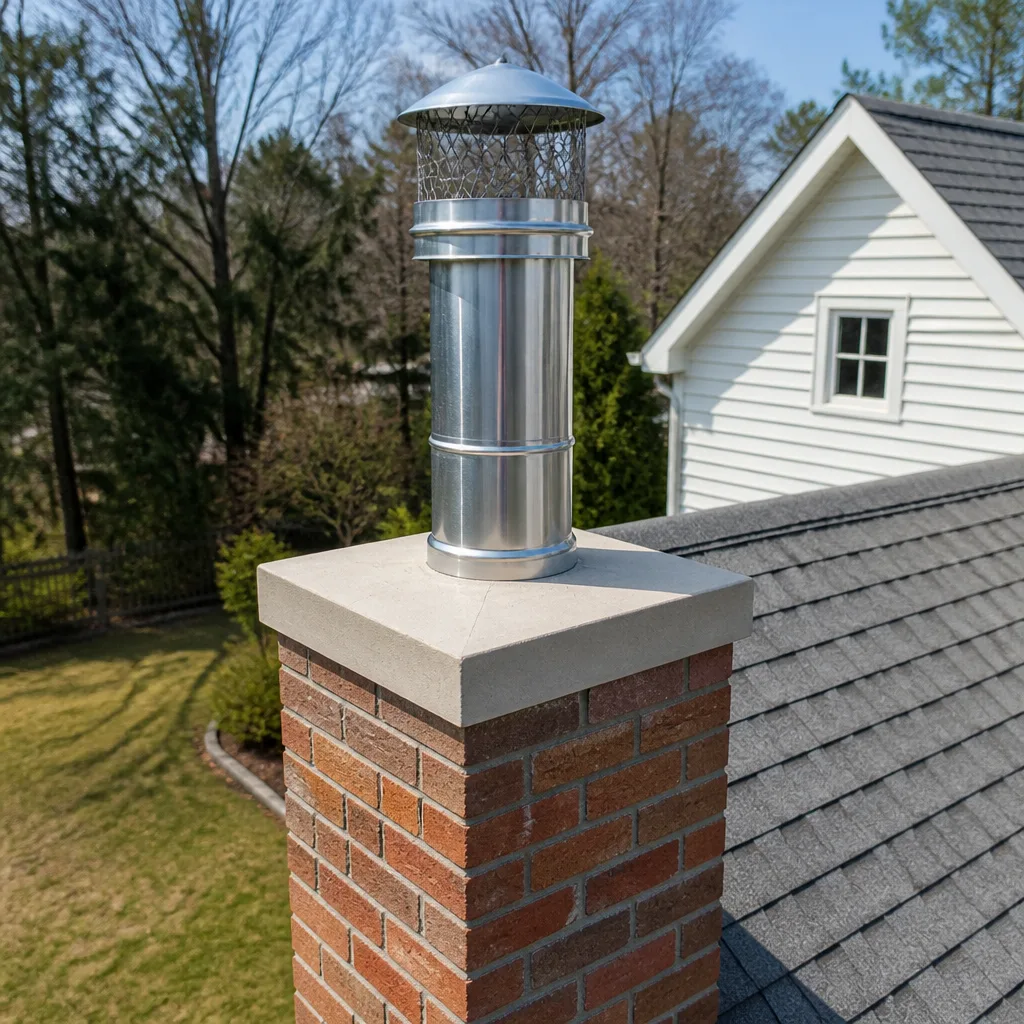 Flue relining
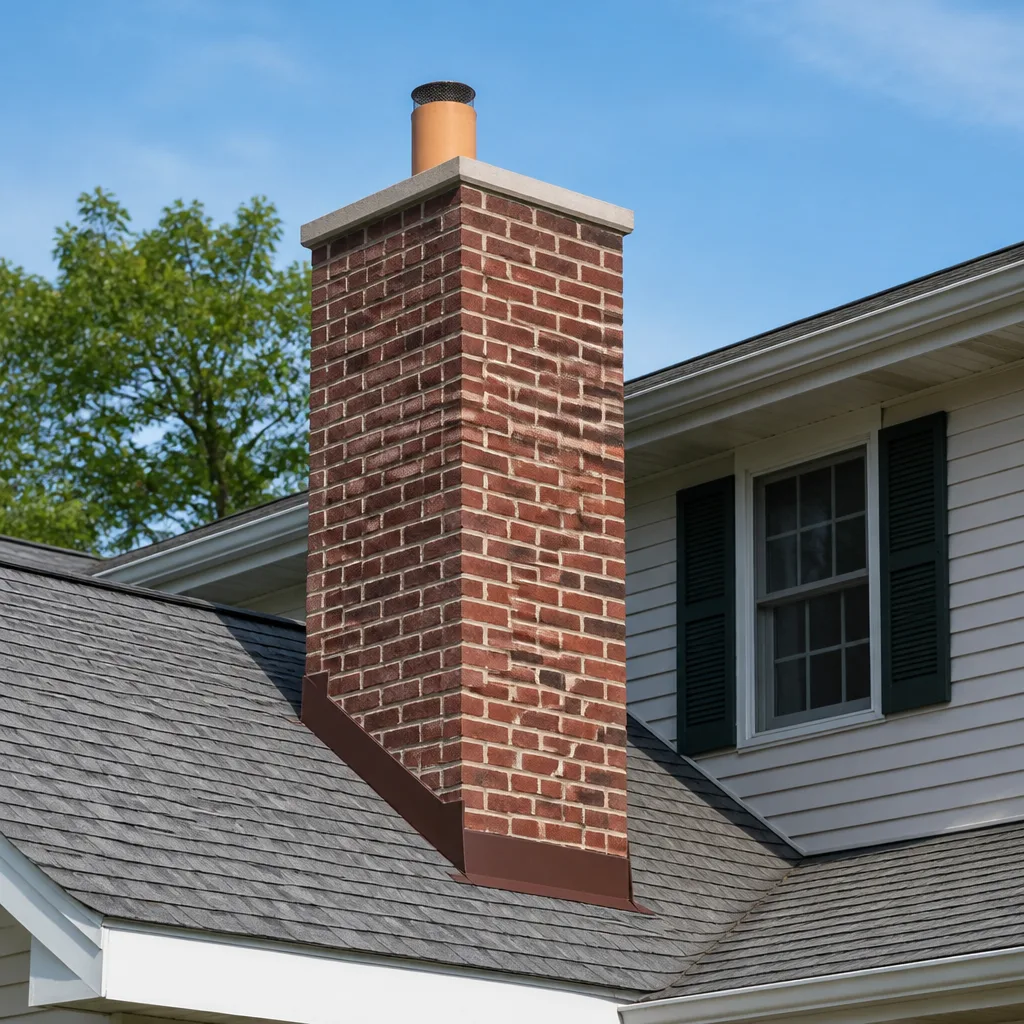 Masonry repair
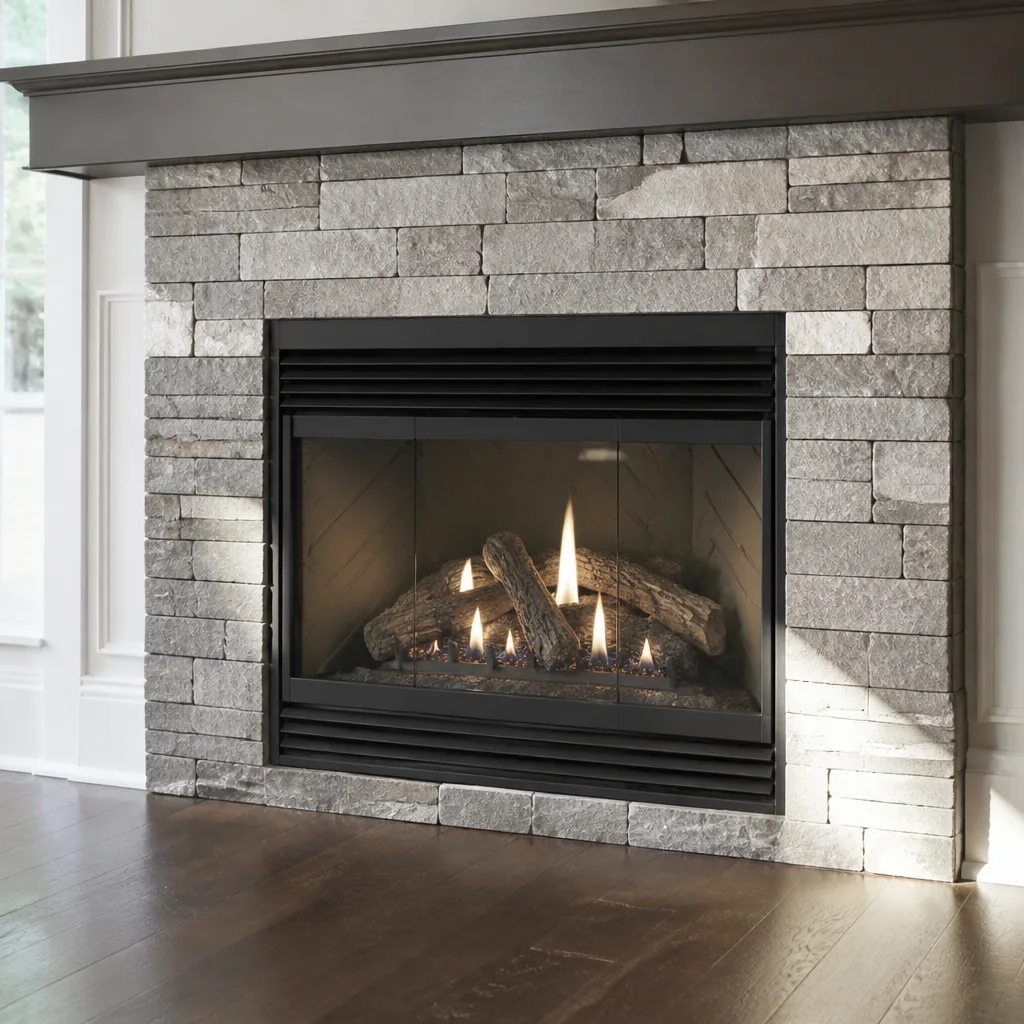 Gas fireplace service
Level 1 sweep and inspection to the NFPA 211 annual standard - flue, crown, cap, and flashing checked and photographed
Chimney sweep logs do not sweep chimneys. They loosen some creosote - which then falls where a brush and vacuum still have to collect it.
Chimney Cleaning Warning Signs: A University Park Homeowner’s Reference Guide
Most chimney problems don’t announce themselves with smoke rolling into the living room. They show up as a smell you notice on a mild afternoon, a stain on the brickwork you pass every day, or a fire that takes a little longer to catch than it used to. In University Park, where fireplaces run hard through long, cold winters and sit idle for months at a stretch, those small signals matter more than homeowners expect. This guide walks through what each warning sign actually means about the component that’s failing, which ones mean stop burning now, and which ones can wait for a scheduled visit. You’ll learn to read your own chimney from the ground up.
Quick Answer
The most important chimney warning signs are a smoky smell when no fire is burning, dark stains or white powder on exterior brick, a rusted or missing cap, and a fire that drafts poorly or smokes back into the room. These signal creosote buildup, moisture intrusion, liner damage, or a draft failure that needs inspection before the next fire. Any of them, combined with a strong sour smell indoors or visible creosote flakes, means stop using the fireplace until a professional inspects it.
Styles & brands we work with
- Sweep & inspection
- Caps & crowns
- Flue relining
- Masonry repair
- Gas fireplace service
Table of Contents
- The Warm-Day Smoky Smell: What Your Chimney Is Telling You
- A Symptom-to-Cause Reference for University Park Homeowners
- Normal Fireplace Smells vs. Active Creosote or Liner Failure
- Exterior Warning Signs You Can See From the Ground
- Why Draft Problems Are Diagnostic, Not Cosmetic
- Stop-Using-Immediately Signs vs. Schedule-This-Month Signs
- What a Chimney Inspection Actually Looks At
- Common Mistakes to Avoid
The Warm-Day Smoky Smell: What Your Chimney Is Telling You
On a mild day with no fire burning, a chimney should smell like nothing at all. If you catch a smoky, sour, or campfire-like odor drifting into a room, that’s not a draft quirk or a bit of leftover ash. It’s creosote off-gassing through a gap in the liner, or a failed damper seal letting combustion gases travel backward into the living space. Both mean combustible gases have a path into your home.
In University Park, this shows up most in spring and fall, when outside temperatures climb and pressure inside the house shifts. Air pushes down the flue and into the room instead of out. When the flue is healthy and sealed, that backflow is minor. When there’s a crack or a rusted-through section, it travels straight through the liner into your home.
Here’s what that smell actually points to:
- Creosote off-gassing – a buildup of unburned wood tar is releasing volatile compounds as temperatures rise.
- Liner breach – a crack, open joint, or pitted section of clay or metal liner lets gases bypass the flue.
- Failed damper – a damper that doesn’t close fully leaves a permanent leak path.
- Blocked or undersized flue – buildup reduces the flue’s cross-section until gases back up when there’s no fire driving updraft.
Any one of these is worth having looked at before the next fire is lit. Our University Park Chimney Sweep approach is to start with an inspection so you know exactly what’s failing, not just that something is.
A Symptom-to-Cause Reference for University Park Homeowners
Here’s the part most homeowners never get: each warning sign maps to a specific component, and knowing which one helps you decide how urgent it is. General trade knowledge gets you partway. The rest comes from looking at the chimney itself.
- Smoky smell with no fire – liner breach, failed damper, or heavy creosote. Stop burning until inspected.
- White powder on exterior brick (efflorescence) – moisture moving through masonry from inside out. Often points to a failed crown or missing cap.
- Flaking, crumbling brick or mortar (spalling) – freeze-thaw damage from moisture that’s already inside the masonry. A university-area climate with hard winter cycles accelerates this.
- Rust on the firebox or damper – chronic moisture in the chimney, usually from a cap that’s missing, damaged, or improperly sized.
- Fire that’s slow to start or smokes back – reduced draft, often from buildup, a blocked flue, or a flue that’s too short for the house’s pressure pattern.
- Black stains on the exterior above the firebox – heavy creosote that’s seeped through mortar joints. This is a fire-risk sign; stop and inspect.
- Faint gas smell or headache when burning – possible carbon monoxide path into the home. Stop burning and call.
Each of these treats a slightly different repair. A crown rebuild handles efflorescence; a liner fix handles the off-gas smell. That’s why we carry heat-rated liner systems like DuraFlex and heat-resistant resurfacing products from HeatShield in our service options – so the fix matches the cause in a single visit rather than a referral to a second contractor. If the cap is the culprit, our chimney cap & crown service covers it directly.
Normal Fireplace Smells vs. Active Creosote or Liner Failure
A cold fireplace actually has a small amount of normal smell: a faint ash-and-charcoal odor that appears after a fire and fades within a day. That’s fine. What’s not fine is a smoky smell with no recent fire, or one that gets stronger on warm days.
Here’s how to separate the two:
- Normal – faint ash smell right after a fire, gone within a day, never travels more than a few feet from the fireplace.
- Normal – slight smoky smell when you first open the damper on a cold morning, gone once fire is established.
- Not normal – a smoky smell that shows up on a warm, no-fire day with the damper closed.
- Not normal – a sour, pungent, or chemical smell that lingers and gets worse with heat.
- Not normal – visible creosote flakes on the firebox floor or flue opening.
- Not normal – someone in the room develops a headache, nausea, or dizziness while a fire is going. That last one is a potential carbon monoxide warning, not a smell issue.
For the smell-versus-safety test to be reliable, the flue has to be visible. Our technicians have up to 15 years of experience reading exactly this kind of signal, and we use a camera so you can see the same thing we see. If that read comes back normal, we tell you. If the flue needs a repair, we’ll point to the specific damage on screen before we recommend anything.
Exterior Warning Signs You Can See From the Ground
You don’t need a ladder to spot most chimney problems. The exterior of the chimney, especially in a freeze-thaw climate, tells you what’s happening inside. Get to know these five, and walk around your house once a season.
- White, chalky powder on the brick – efflorescence. Moisture is traveling through the masonry and evaporating on the surface. Often the crown or cap is at fault.
- Flaking or flaking-away brick faces – spalling. The brick face is starting to peel or shed, usually after repeated freeze-thaw cycles driven by moisture intrusion. This one is structural.
- Missing or crumbling mortar joints – the chimney is losing its grip. Loose mortar is often the first visible sign of water damage.
- Rusted or bent chimney cap – the cap is the chimney’s roof. If it’s compromised, so is everything below it.
- Dark staining above the firebox or on the sides – evidence of creosote or smoke backing up. That’s a fire-safety signal, not a cosmetic one.
In University Park, the late-winter snowmelt season is when most exterior signs surface. Snow sitting on top of a cracked crown infiltrates the masonry, then refreezes overnight. Repeat that a few hundred times in a season and the brick starts to spall. That’s exactly the pattern our chimney sweep service encounters when we start a seasonal appointment with a quick exterior read.
Why Draft Problems Are Diagnostic, Not Cosmetic
A chimney that doesn’t draft right is telling you something specific. Draft is the result of temperature difference, flue geometry, and pressure balance between the house and the outside air. When those fall out of alignment, the cause is almost always one of five things – and none of them is “your chimney is just a little temperamental.”
- Reduced flue cross-section – creosote, soot, or a nest has narrowed the flue. The flue can’t move enough air.
- Undersized flue – the flue is smaller than the appliance needs. Common in older homes where a wood stove replaced an open fireplace.
- Flue too short relative to the roof – a short flue struggles to warm up and create lift.
- Negative pressure in the house – exhaust fans, tight modern windows, or a competing furnace or water heater flue pull air down the chimney. This is a very common cause in University Park homes.
- Liner damage – a crack or open joint lets air into the wrong part of the flue and disrupts draft.
University Park is at higher elevation than most of the country, and airflow behaves differently up here. Drier air and lower pressure change how a flue heats and lifts, so a chimney that drafts marginally at sea level can struggle noticeably here. That’s why we treat a draft complaint as a diagnostic puzzle rather than a cosmetic fix. If you’ve noticed draft problems, ask us to walk you through what we find on camera. We’ll tell you exactly what we see.
Stop-Using-Immediately Signs vs. Schedule-This-Month Signs
Sorting warning signs by urgency is where most homeowners get stuck. Some signs mean the fireplace needs to stay cold until an inspection. Others mean call for a scheduled appointment and enjoy the fire in the meantime. Getting the two confused creates real risk.
Stop using the fireplace immediately if you notice any of these:
- A smoky, sour, or chemical smell inside the house with no fire burning, especially if someone has a headache or nausea.
- Visible creosote flakes or a heavy black glaze inside the firebox (signs of glaze creosote are especially serious).
- Black staining on the exterior of the chimney above the firebox.
- Smoke backing into the room with the damper fully open.
- Crumbling or loose brick around the firebox or chimney top.
- Any damage to the liner seen or reported.
Schedule service within the month if you notice:
- Efflorescence or a single patch of spalling brick on the exterior.
- A rusted or bent chimney cap.
- A slightly smoky smell right after a fire that fades on its own.
- Fires that take longer than usual to catch or that seem sluggish.
- A damper that doesn’t close smoothly.
Creosote buildup is the undercurrent here. When creosote ignites, that’s a chimney fire, and it can happen with very little warning. We’re not trying to alarm anyone: the point is that “wait and see” is fine for a rusty cap and not fine for a smell with no fire. If you’re not sure which column a sign belongs in, treat it as the first and call. We answer 24/7, and we’ll help you sort it. A chimney fire doesn’t need a big dramatic sign to start. It needs the wrong combination of heat, fuel, and oxygen.
What a Chimney Inspection Actually Looks At
Inspection is where every warning sign gets resolved into a specific answer. It’s not a vague once-over. A professional inspection looks at each of the following, and a good one explains what it finds in plain terms.
- Exterior chimney – crown, cap, brick, mortar, and the chimney’s vertical alignment.
- Firebox and damper – visible damage, damper seal condition, and any sign of smoke backing up.
- Flue and liner – a camera run down the flue to see the full interior, identify cracks, gaps, and buildup level, and confirm liner type.
- Creosote assessment – how much is present, and in what form. Different creosote types mean different cleaning methods.
- Draft test – how the flue responds under actual operating conditions.
- Appliance and venting – whether the wood stove, insert, or open fireplace is properly sized to the flue.
We do this inspection as a standalone service, not as an upsell attached to a cleaning. That matters. If your chimney is fine, we’ll tell you it’s fine and you can book the sweep and get on with your season. If it isn’t, the camera footage means you can see exactly what we see, on your own screen, before any repair is recommended. Nothing gets sold without evidence you can examine yourself.
When repair is on the table, we work with recognized professional-supply brands like DuraFlex liners, HeatShield resurfacing products, and components from Olympia Chimney and Copperfield. These are the same materials professional chimney contractors source from industry distributors, and we use them because they hold up to real heat and real freeze-thaw cycles. Same visit, sweep, inspect, and repair – one call covers it. That’s also why we keep our work focused entirely on chimneys rather than being a general home-services operation where chimney work is a side business. Our fireplace repair service is a direct extension of that same inspection-first approach.
Common Mistakes to Avoid
- Treating a smoky smell as a draft quirk. If the smell shows up with no fire burning, it’s a liner or damper signal, not a quirk. Have it looked at before the next fire.
- Assuming a rusty cap is cosmetic. A rusted cap lets water into the flue and into the masonry below it. The repair is quick; the damage from ignoring it isn’t.
- Skipping the inspection and just booking a sweep. A sweep cleans the flue. Only an inspection tells you what the flue is doing. In University Park’s freeze-thaw cycles, the interior and exterior are tied together, so both need a look.
- Burning wet or unseasoned wood to save money. Wet wood produces far more creosote per fire. That’s the fastest route from “no buildup” to “glaze creosote” in a single season.
- Relining with a generic big-box product. A flexible liner needs to be rated for the fuel and the appliance. We carry DuraFlex systems specifically because they’re built for multi-fuel applications; generic substitutes often aren’t.
- Assuming a slow-starting fire is fine because it eventually lights. A fire that takes noticeably longer to catch is losing draft. Small draft loss today is a bigger problem by next winter.
- Waiting until “next year” after seeing efflorescence. Efflorescence is early moisture damage. Spalling and crumbling mortar come next. Catch it at the efflorescence stage and the repair stays small.
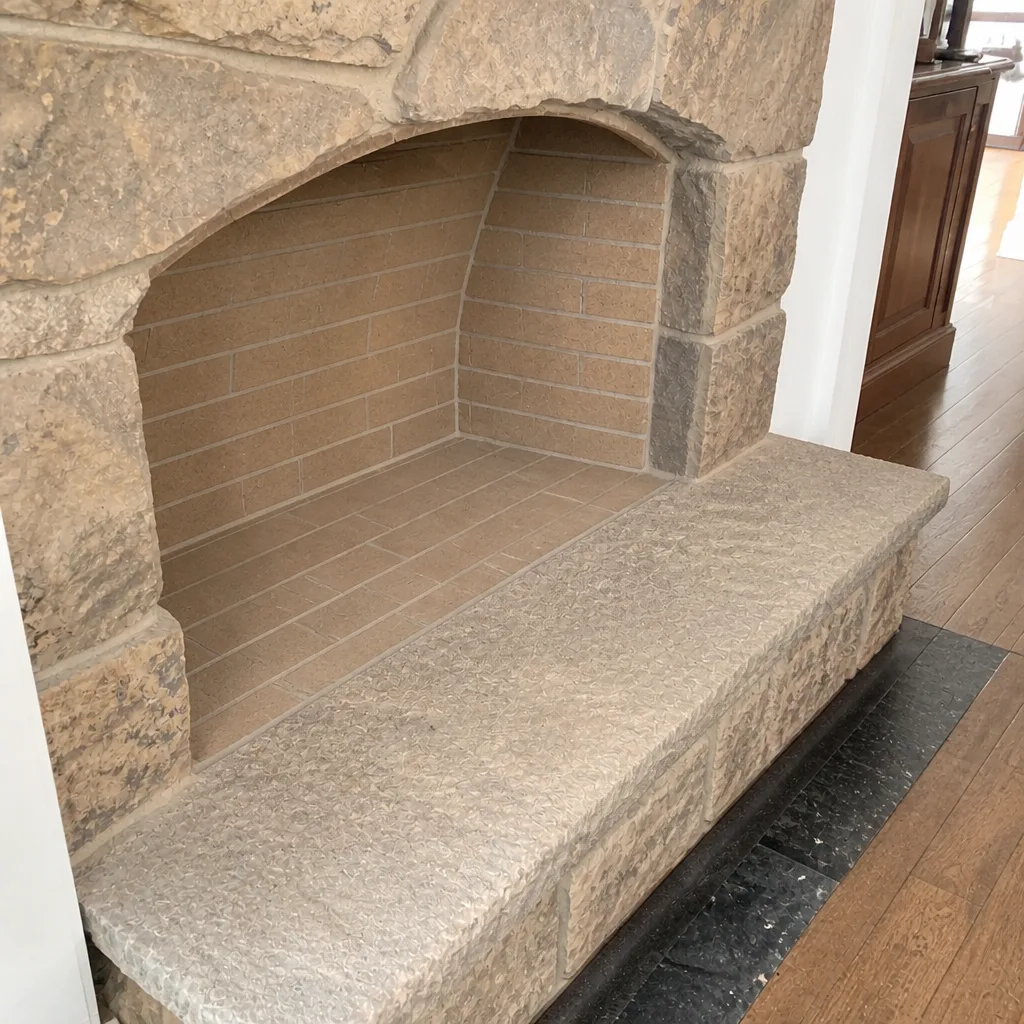
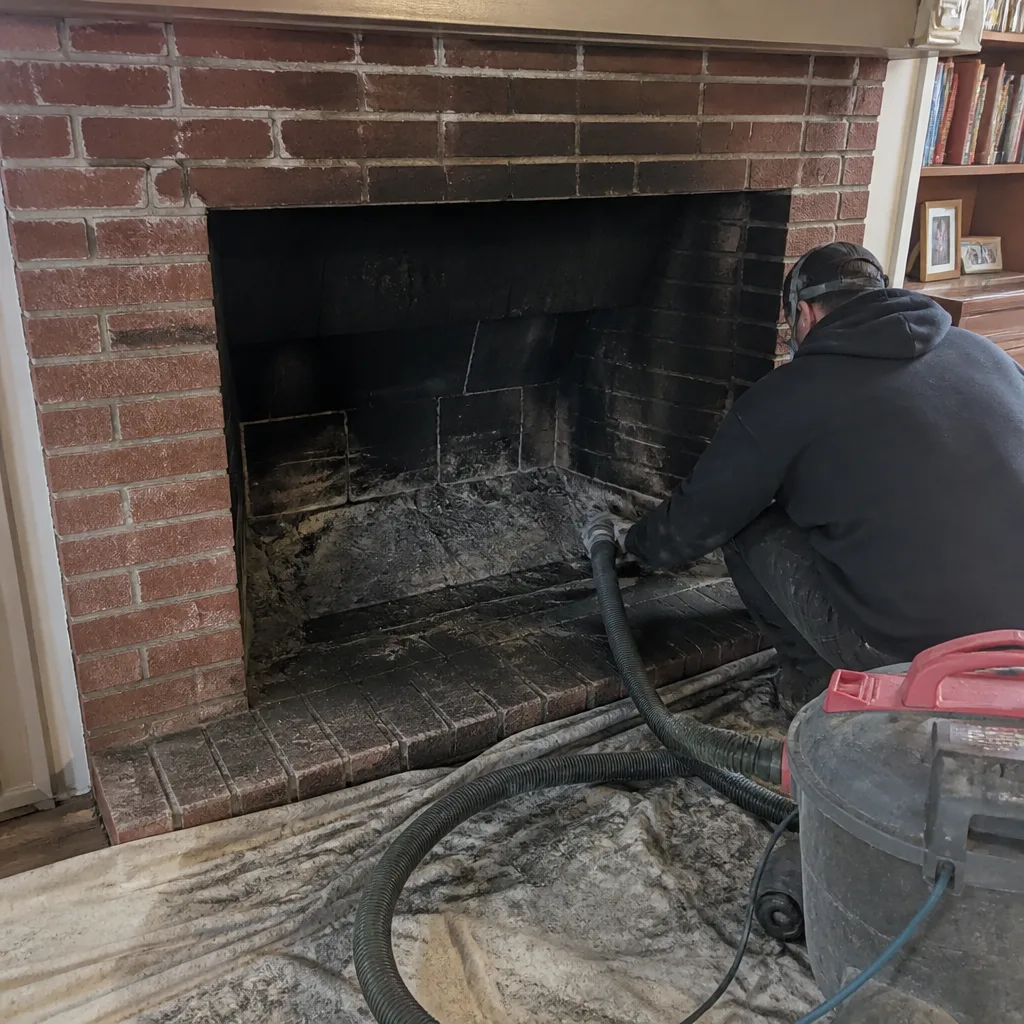
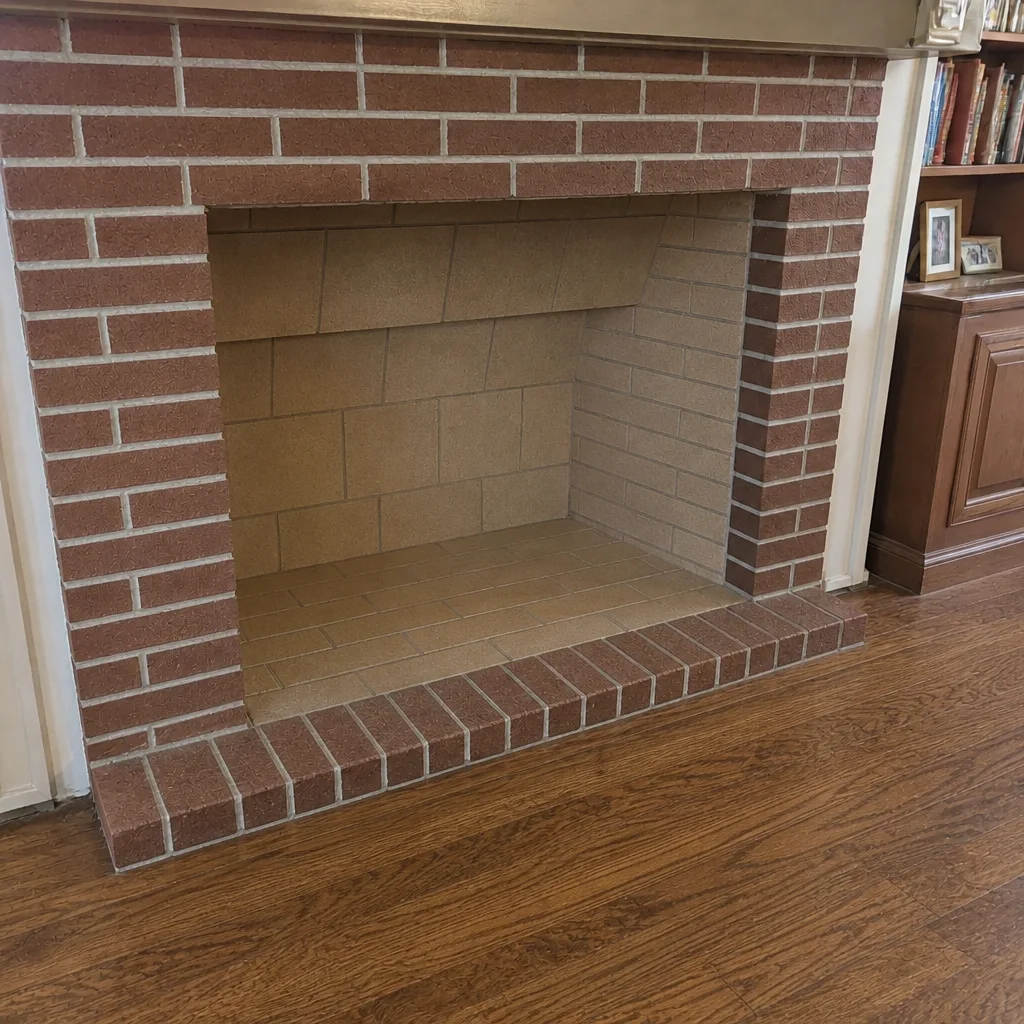
See the difference
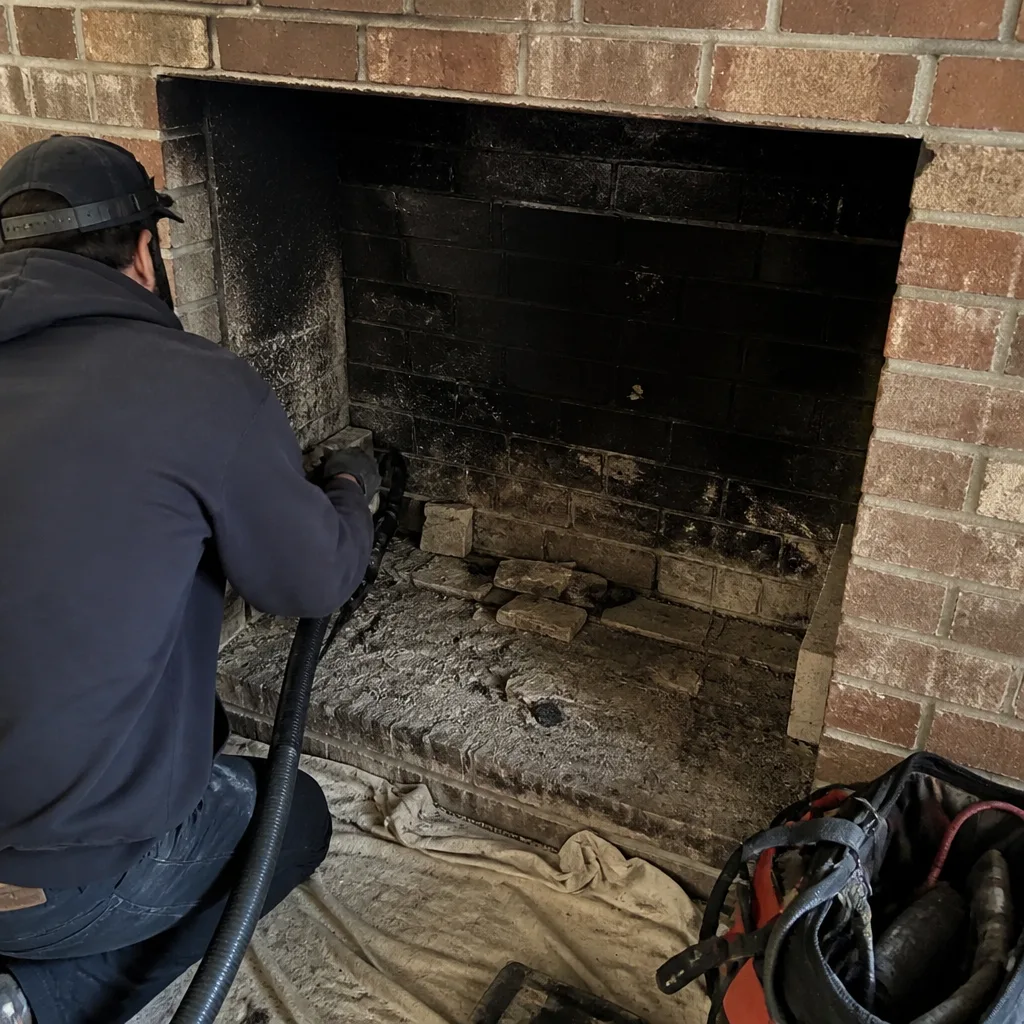 Before
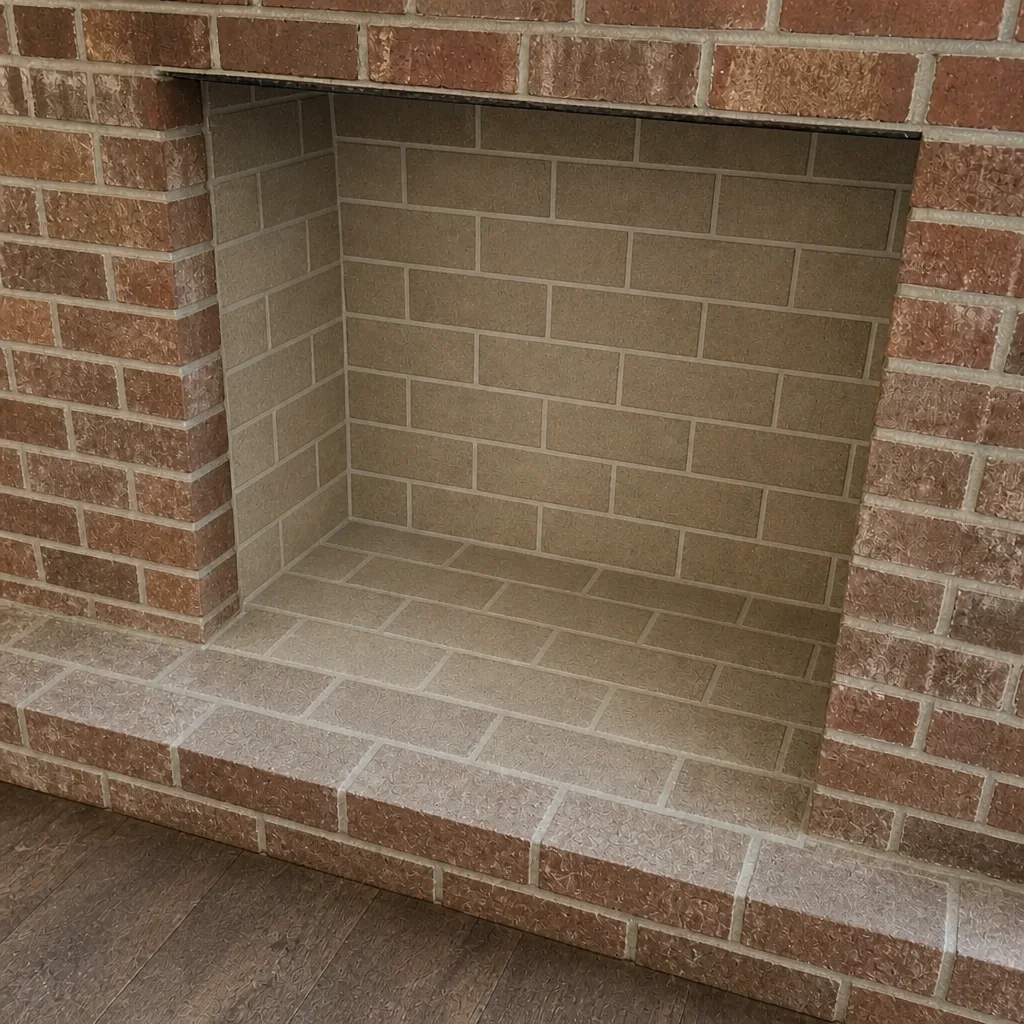 After
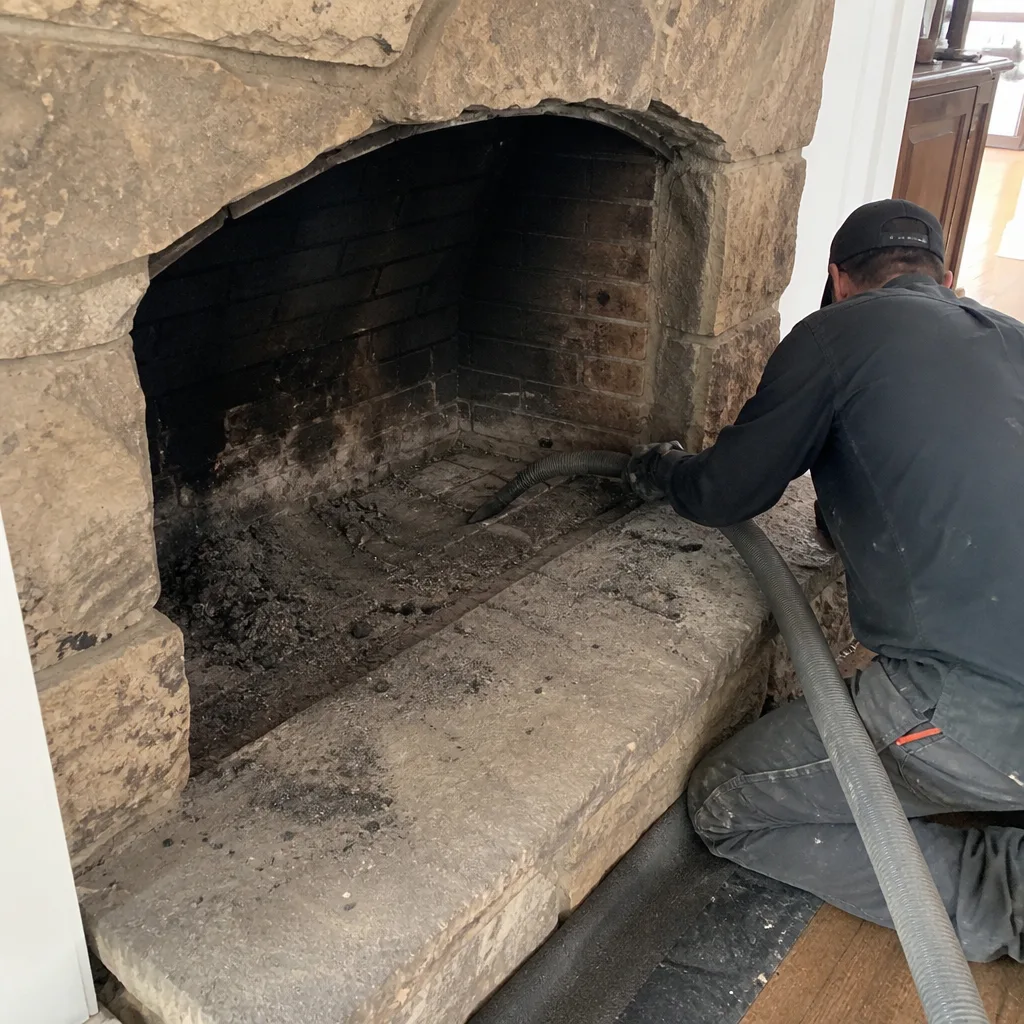 Before
 After
 Before
 After
When to Call a Professional
Call a professional if you notice any of the following: a smoky or sour smell with no fire burning, a visible crack or gap in the flue from the firebox, black staining on the exterior, a fire that smokes back into the room, new symptoms like headaches when a fire is going, or any visible crumbled brick or loose mortar. Also call if it’s simply been more than a year since the chimney was last inspected. A professional inspection is the fastest way to know whether a warning sign is cosmetic, structural, or a fire-safety concern. University Park Chimney Sweep offers free estimates in University Park. Call (888) 848-9521. We answer 24/7. Fast dispatch from 7am to 7pm, Sunday through Friday.
Frequently Asked Questions
Chimneys should be inspected at least once a year and swept when there’s roughly an eighth of an inch of creosote on the flue walls, or sooner if you burn heavily through the winter. University Park’s long heating season means a fireplace used regularly can accumulate buildup faster than a mild climate would. If you burn daily from fall through spring, book a seasonal inspection even if the chimney was swept last year.
It’s a warning sign that shouldn’t be ignored. A smoky smell with no fire usually means creosote is off-gassing through a liner gap or a failed damper seal, and that means combustion gases have a path into the living space. It’s not always an immediate emergency, but it needs an inspection before the next fire. Call (888) 848-9521 for an exact quote. Estimates are free.
White, chalky powder on exterior brick is efflorescence, and it means moisture is moving through the masonry. The most common causes are a failed crown, a missing or undersized cap, or a crack in the chimney masonry. It’s an early-stage sign – catch it early and the repair is usually limited to the crown or cap. Left alone, it progresses to spalling and crumbling mortar.
Yes, but schedule the cap replacement soon. A rusty cap still keeps out most rain, but it’s compromised and water is likely getting in during storms and snowmelt. The risk grows as the rust advances and the cap begins to fail. Replacing a cap is a same-visit job, and our chimney cap & crown service handles the cap and the crown together when both need attention.
Lower air pressure at higher elevation means a flue has less buoyancy to work with, so a flue that drafts marginally at sea level can struggle noticeably at University Park’s altitude. That makes elevation a diagnostic factor, not a cosmetic one. Build-up, an undersized flue, or negative house pressure can make it worse. An inspection tells you which cause you’re dealing with.
Not always. A liner can sometimes be repaired or resurfaced rather than replaced, and resurfacing is the right answer when the liner wall is intact but the surface has started to degrade. If the wall has cracked or rusted through, replacement is the safer route. We use camera evidence so you can see the actual condition before we recommend either. Call (888) 848-9521 and we’ll walk you through what an inspection would cover.
The Bottom Line
Most chimney warning signs are small and easy to explain away. The useful takeaway is that each one points at a specific component – a crown, a cap, a damper, a liner, a draft path – and knowing which one helps you decide whether to stop burning or simply book a visit. In University Park, hard winter cycles and altitude-driven draft behavior make those small signs more meaningful than they’d be in a milder climate. The right response to a smoky smell, an efflorescence patch, a rusted cap, or a sluggish fire is the same: get the chimney inspected, look at the camera evidence, and let the findings drive the repair. Our team does this work with a camera-first, evidence-first approach, and we’ll tell you exactly what we find. Call (888) 848-9521 for a free estimate. We answer 24/7. Fast dispatch from 7am to 7pm, Sunday through Friday.
Written by the team at University Park Chimney Sweep.