
Last updated November 24, 2026
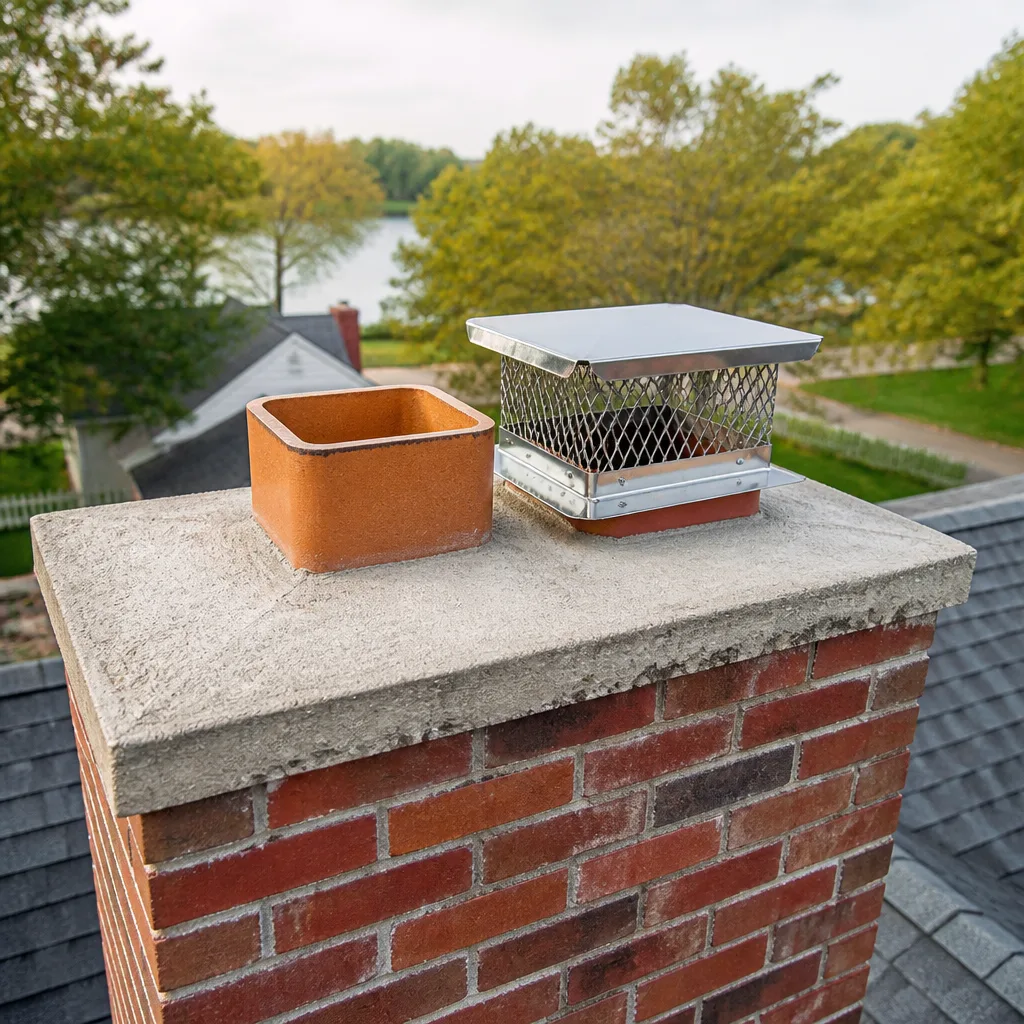 Sweep & inspection
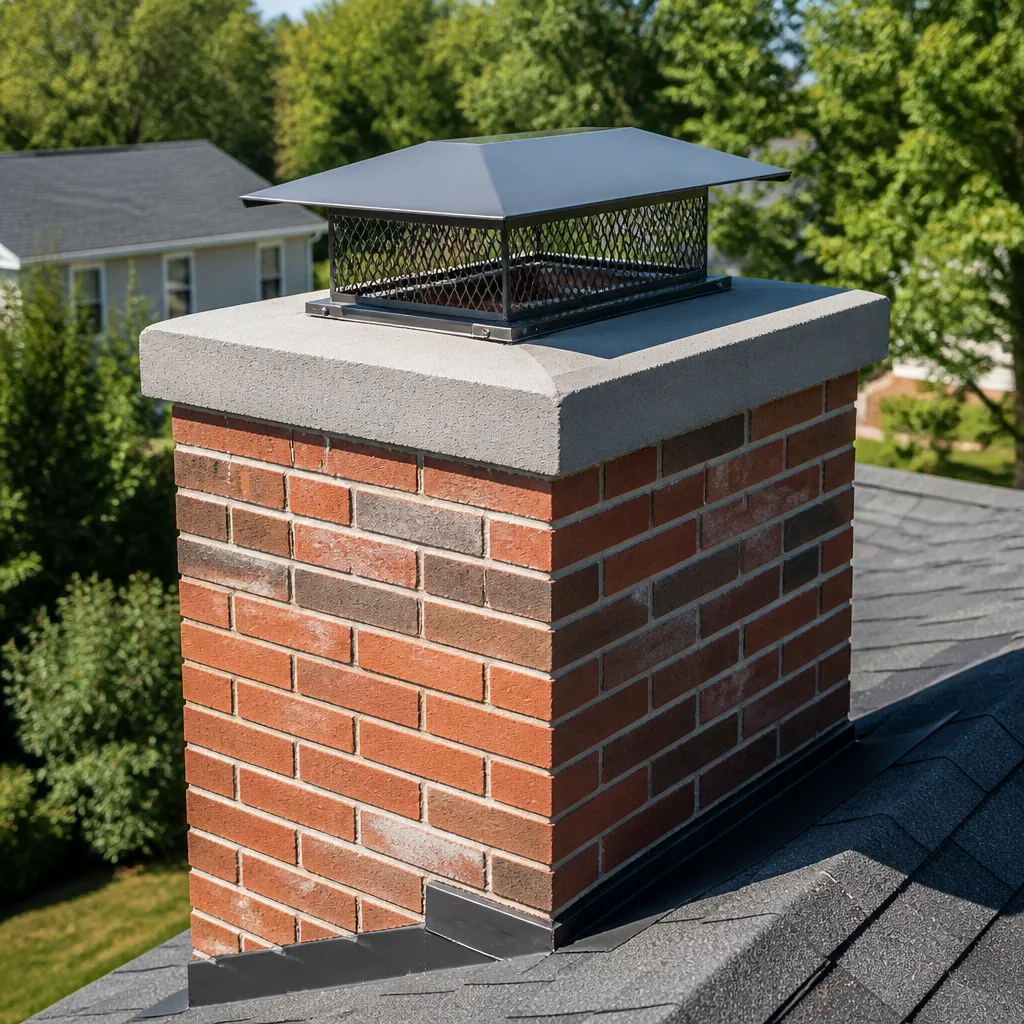 Caps & crowns
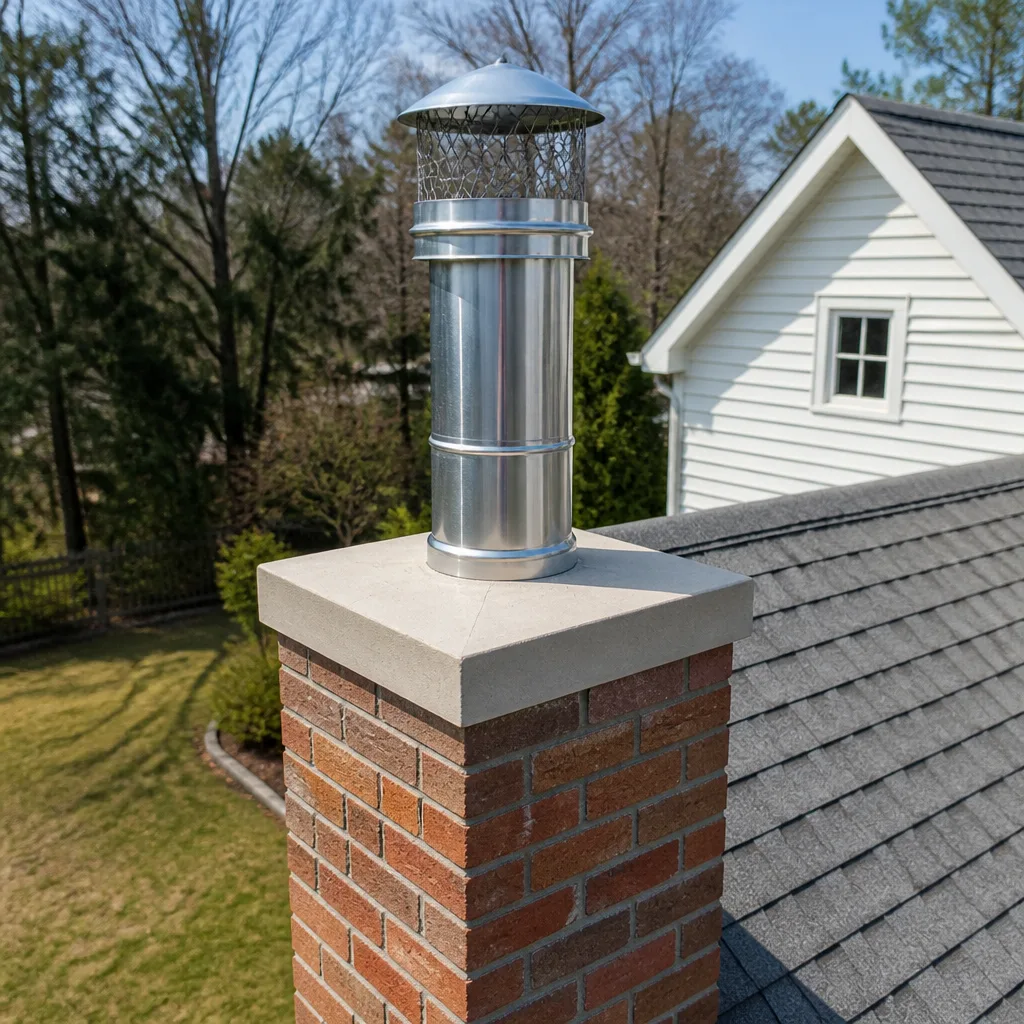 Flue relining
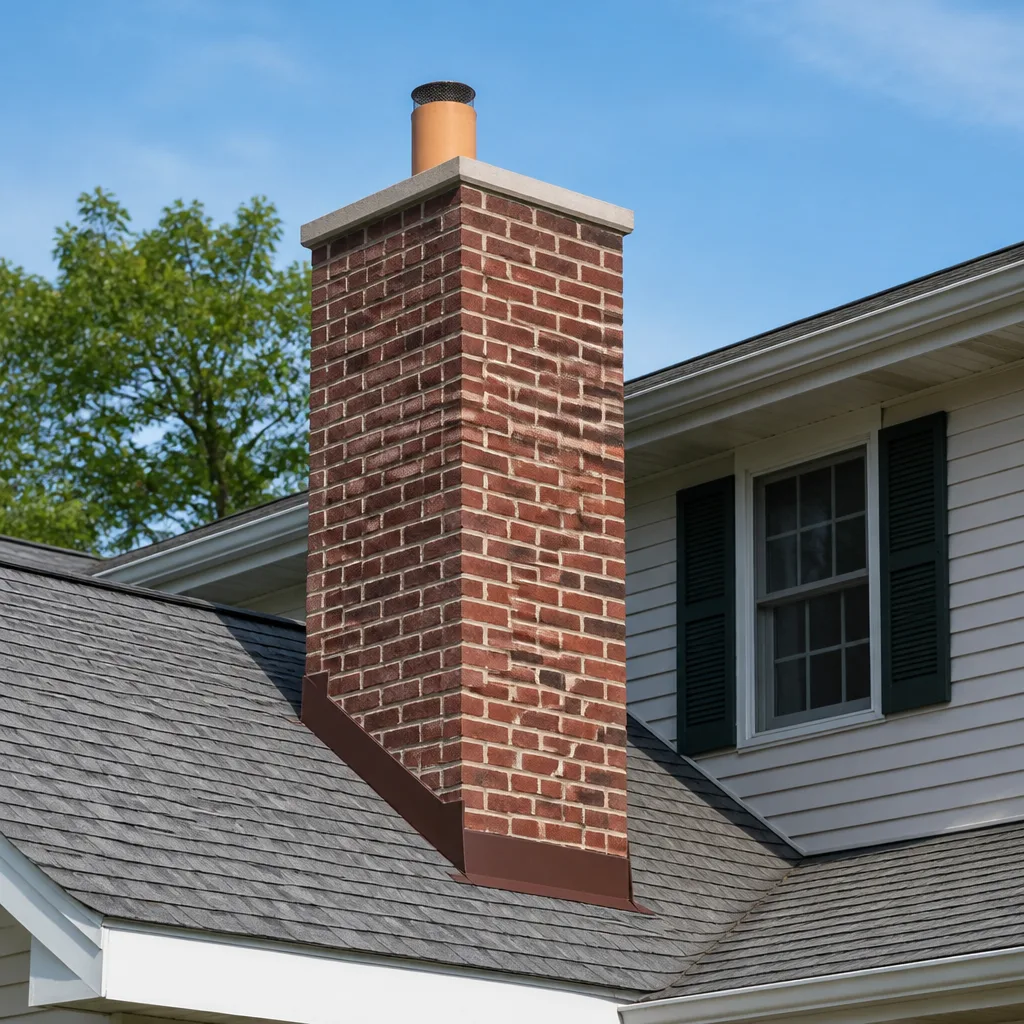 Masonry repair
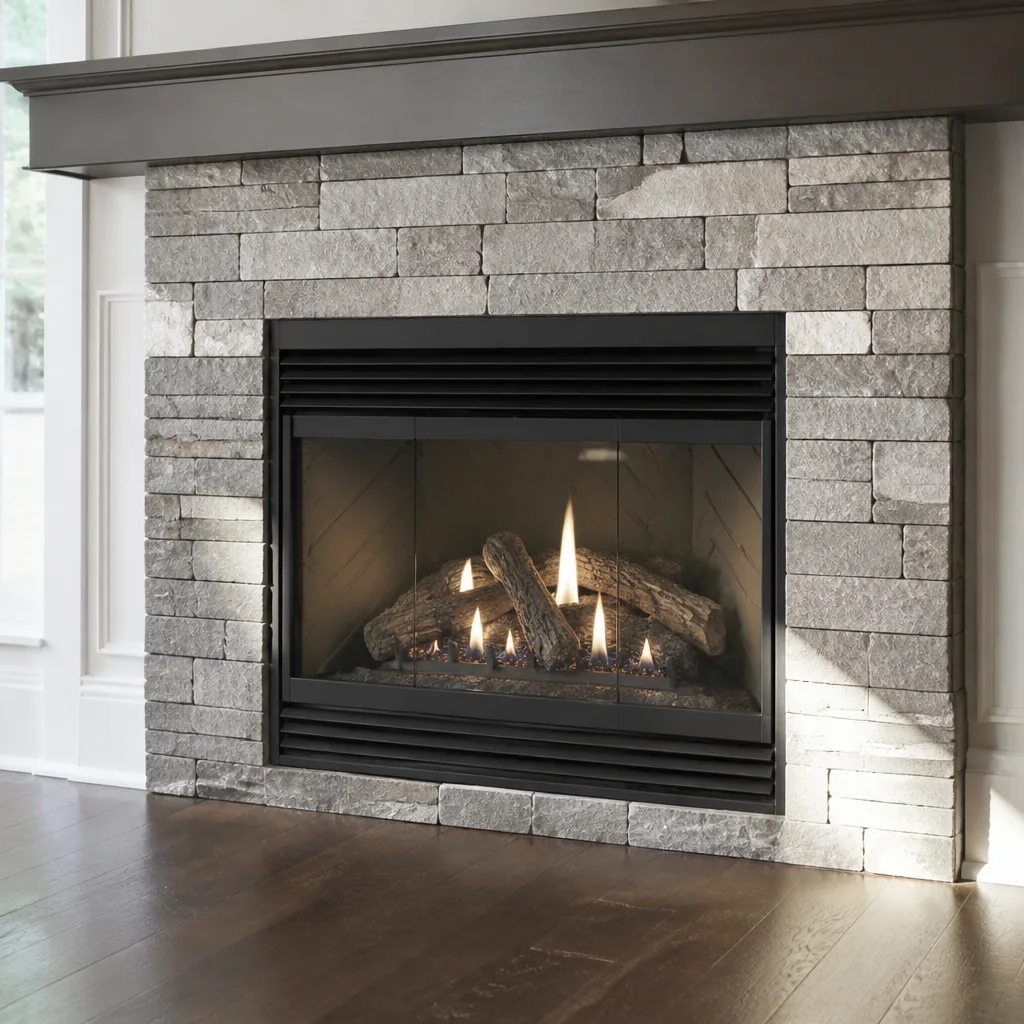 Gas fireplace service
Level 1 sweep and inspection to the NFPA 211 annual standard - flue, crown, cap, and flashing checked and photographed
Chimney sweep logs do not sweep chimneys. They loosen some creosote - which then falls where a brush and vacuum still have to collect it.
DIY vs Professional Chimney Cleaning: The University Park Homeowner’s Decision Guide
A brush and rods from the hardware store will move loose soot. They won’t tell you your smoke chamber is glazed, your liner has a crack at the third section, or your damper plate is warped, and the last of those three is common in University Park homes where a fire burns hot and then sits cold for months at a time. Most homeowners attempt a DIY sweep in exactly the situations where it isn’t appropriate. This guide is honest about where a homeowner with the right tools can genuinely save money, where the limits of those tools sit, and how to tell the difference before you light a fire this season. It’s written from University Park, for the houses and the climate we actually work in.
Quick Answer
DIY chimney cleaning is a real option for light annual soot in a straight, accessible flue with no prior damage, using proper poly brushes and rods and a full protective setup. It is not an appropriate substitute for a professional sweep and Level 2 camera inspection when the chimney has any creosote glaze, a flue liner of uncertain condition, offsets or a smoke chamber, or a history of use you don’t know. For most University Park homes, the brush removes what you can reach, while a professional sweep and camera inspection tells you what the chimney actually needs before fire season.
Styles & brands we work with
- Sweep & inspection
- Caps & crowns
- Flue relining
- Masonry repair
- Gas fireplace service
Table of Contents
- What a Brush Can and Cannot Do
- The Tasks That Are Genuinely DIY-Appropriate
- What a Camera Inspection Reveals That a Mirror Cannot
- The Liability and Insurance Question of Self-Certifying a Clean Chimney
- The Cost-Benefit Math: When DIY Saves and When It Delays
- The Right Tools for Homeowner Maintenance, and Their Limits
- How Colorado’s Climate Changes the Equation in University Park
- When a Sweep Is Not Optional
What a Brush Can and Cannot Do
A chimney brush is a scraping tool, not a diagnostic one. It dislodges soot, loose ash, and soft stage-one creosote from flue walls, and it does that job well enough in a straight, sound, accessible flue. That’s the whole of its ability. What it cannot do is assess the flue it just scraped.
The difference matters in University Park because of how fireplaces here get used. A fire that burns briskly and then is shut down for the night, or burned only on cold snaps through a long dry winter, produces creosote that can cool and harden into glaze on the liner walls. A brush will skip right over that crust. You’ll finish the job, look up a clean-looking flue, and believe the chimney is clean, when what you’ve actually done is polish the top of a layer that needs a rotary tool and a trained eye to identify.
Brush work also misses everything downstream of the flue. Consider what a homeowner-facing brush sweep cannot evaluate:
- Smoke chamber condition. The sloped chamber above the damper collects soot on angles a brush can’t reach from below. Glazed or cracked chamber surfaces are a fire path.
- Crown and cap integrity. Water intrusion from a cracked crown shows up inside the flue long before it shows up in the firebox.
- Flue liner joints and cracks. A hairline crack at a section joint is invisible from the firebox floor. It only appears on camera.
- Damper and firebox metal. Warped dampers, rusted frames, and lifted firebrick are structural, not cosmetic.
- Creosote classification. Stage one, two, and three look similar in a dim flue with a hand mirror. They need different remediation.
The brush gets the soot out. The inspection tells you whether the chimney is safe to use. Those are two different jobs done with two different toolkits, and conflating them is where DIY goes wrong.
The Tasks That Are Genuinely DIY-Appropriate
We’re not going to pretend every chimney job needs a truck. There are real, safe homeowner tasks, and doing them well makes the professional visit shorter and more useful.
- Annual soot brushing on a straight, clean flue. If your flue is straight, accessible, has been inspected at least once by a professional, and shows only soft dry soot, a homeowner brushing with poly rods is legitimate annual maintenance.
- Ash removal and firebox cleaning. Clearing cold ash, scraping the firebox floor, and wiping down the glass on an insert are homeowner jobs.
- Visual check of the firebox. A flashlight inspection of the firebrick, damper, and firebox seams after the fire is fully cold is genuinely useful. Note anything that looks cracked, shiny, or lifted, and tell a sweep.
- Cap and crown visual check from the ground or a safe ladder. Look for a missing cap, a rusted screen, or birds’ nests from a safe vantage. Don’t get on a roof to inspect.
- Seasonal firewood management. Keeping wood dry and stacked away from the house is homeowner work that reduces creosote load all winter.
That’s the honest list. Notice what’s missing from it: any task that requires interpreting the condition of a flue liner, a smoke chamber, or a crown. Those are diagnosis, and diagnosis is what you hire.
What a Camera Inspection Reveals That a Mirror Cannot
A mirror at the end of a rod shows you a dim reflection of the flue above the damper. A camera inspection video-scans the full interior of the flue, from the firebox to the top, at close range. The gap between those two views is the gap between “looks clean” and “is safe.”
Here’s what a proper video scan typically finds that a mirror can’t, in homes across University Park and the surrounding Denver neighborhoods:
- Glazed creosote on the upper flue. Stage-three creosote is shiny, hard, and resistant to brushing. A mirror won’t reveal its layer; a camera will.
- Offset flues with hidden ledges. Many older homes have flues that step or offset, and soot collects on those ledges where a straight brush passes by.
- Cracks at section joints. Prefab metal liners can crack or separate at joints, especially where a hot fire followed a cold season. Cracks are the fire-escape routes into your framing.
- Liner mortar deterioration. On clay-tile liners, spalling tile and missing mortar at joints show up on camera long before they show up on a smoke test.
- Improper prior installation. We see liner terminations that sit too close to combustible framing or liners that are the wrong size for the appliance. Mirror view won’t catch it; camera view will.
- Animal or bird intrusion. Nests, dead birds, and debris lodged in the flue can be invisible from below.
That’s what the professional inspection is really buying: not the soot removal, but the visibility. When that visibility unearths a failing clay liner, HeatShield flue resurfacing can often restore it without a full reline, and when the liner itself needs replacing, we install DuraFlex systems for wood, gas, or oil appliances. The point is you find out before you light the fire, not after.
The Liability and Insurance Question of Self-Certifying a Clean Chimney
Here’s the part homeowners rarely consider. If you sweep your own chimney and then use it, you have effectively self-certified the chimney as clean and fit for use. If something goes wrong and you file a claim, that self-certification matters.
Insurance carriers are not usually interested in who swept the chimney. They’re interested in whether a documented, qualified inspection occurred, and the written record of that inspection. If the chimney caught fire or a smoke incident damaged the home, and the record shows no professional inspection and no service documentation, a claim can become contested. We can’t speak for any particular insurer’s policy language, but the record is what a claim process runs on.
There’s a second layer of exposure, and that’s the neighbor-to-neighbor or landlord-tenant one. If you’re a University Park homeowner who rents the property out, or if a chimney is shared, the owner’s diligence matters when a tenant or guest is injured. The written inspection report is the evidence that diligence occurred.
Here’s the practical takeaway. Keep a documented annual sweep from a qualified professional and retain the inspection report. That record is what protects you if a fire happens, and it’s also what tells you whether the chimney is safe in the first place. You can do maintenance brushwork yourself; what you can’t do safely is vouch for your chimney in writing. That’s work for the trade.
The Cost-Benefit Math: When DIY Saves and When It Delays
DIY chimney cleaning is genuinely cheaper in one scenario, and genuinely more expensive in every other. Here’s the honest math.
Where DIY saves money: A straight, accessible, sound flue with only soft annual soot, already inspected within the last couple of years. Brush and rod kit, drop cloth, and an hour and a half on a Saturday give you a decent annual clean. You’d otherwise pay for a routine sweep that finds nothing wrong. You save the sweep cost, and you haven’t missed a problem because your previous inspection already confirmed the flue’s condition.
Where DIY delays finding a problem: Every other case. Consider what a delayed diagnosis costs when you finally discover a cracked prefab liner, a glazed flue, or a failed crown:
- A failing liner caught early can often be resurfaced. Caught late, it usually needs a full reline, a much larger job.
- A cracked crown that lets water into the flue can degrade the liner over a couple of seasons. The crown job is smaller than the liner job it prevents.
- Glazed creosote caught early can be chemically removed. Caught after a flue fire, you’re dealing with fire damage and sometimes a void insurance claim.
- A firebox crack caught early is a small patch or repair. Caught after it spreads into the frame, it’s structural.
Every one of those compound scenarios costs more the longer it waits. DIY brushing masks the problem in each case, because a clean-looking flue is what the homeowner sees. That’s the cost-benefit in a sentence: DIY saves on a routine sweep in a flue you already know is sound, and costs you a bigger repair in a flue you don’t.
The Right Tools for Homeowner Maintenance, and Their Limits
There’s real gear that’s worth owning, and there’s gimmick gear. Here’s the distinction, plus what each piece of the real kit actually does.
- Polypropylene flue brush (the right diameter for your flue). The core tool. Fits a straight flue, does not scratch metal liners. Limitation: can’t dislodge glazed creosote, can’t inspect what it cleans.
- Rods (fiberglass or poly). Proper rods connect and feed from the top down. Limitation: you need access above the firebox or from the roof. Rod sections can bind or scratch on offsets.
- Drop cloth and dust containment. A sealed plastic curtain with a shop vacuum port keeps soot out of the room. Limitation: proper containment is more work than most homeowners anticipate.
- HEPA shop vacuum rated for fine soot. Standard vacuums aerosolize soot. A HEPA filter retains it. Limitation: not a substitute for sealing the room; soot gets everywhere.
- Adjustable hand mirror and bright LED light. The diagnostic tools you can own. Limitation: they show the view above the damper, not the full flue.
- Respirator and eye protection. Non-negotiable. Soot is a fine particulate; the firebox gets very messy very fast.
What’s not on this list: rotary tools, chemical creosote removers, and internal camera systems. Those are the professional tier of chimney work, and each of them requires knowing how to use it. A rotary tool in the wrong hands can gouge a metal liner. A chemical remover on the wrong surface can damage mortar. Those are the reasons the professional tier exists, and pretending otherwise is how homeowners turn a $200 routine sweep into a $2,000 repair.
For our part, we source from trade brands like Olympia Chimney, Famco, and Gelco because the parts have to match the flue they go into. A generic cap on a mismatched flue is a leak waiting to happen. A quick look at what we install for chimney cap & crown work shows what a matched installation looks like.
How Colorado’s Climate Changes the Equation in University Park
Chimney wear in University Park is not the same as chimney wear on the East Coast, and the DIY calculation shifts because of it. Three factors matter most.
Thin winter air and high-altitude fires. Fireplaces at University Park’s elevation burn with a different draft profile than at sea level. Chimneys often pull hotter and faster, which can make creosote formation slightly less aggressive but the flue itself wear faster from the heat cycling. A hot fire followed by a cold flue, repeated through a winter, is hard on liner joints.
Long dry spells paired with wet snow events. University Park gets dry spells interrupted by heavy, wet snow. That’s the ideal pattern for crown and cap failure, since water finds cracks and freeze-thaw drives them wider. A cracked crown on a University Park chimney is common, and a homeowner viewing it from a ground-level angle often misses it. That’s why an inspection that covers the crown matters as much as the internal flue scan.
The burn season is short but intense. University Park homeowners burn hard from roughly October into March and then stop. The off-season is when the chimney sits, and the freeze-thaw cycling and moisture exposure do their quiet work. That’s exactly the window when a professional inspection finds problems before the next first fire.
Pair that with the housing stock around University Park, which includes older bungalows and mid-century homes with clay-tile flues and prefab metal liners, often without a recent documentation trail. The climate doesn’t cause every problem, but it dictates which problems show up here most. Cracked crowns, glazed creosote in the upper flue, and liner joint failures are the three we see most in the neighborhood, and all three are the kind of thing a brush won’t reveal.
When a Sweep Is Not Optional
There’s a category of chimney situation where DIY cleaning isn’t a money-saving shortcut, it’s a hazard. Any one of these is a call-a-professional situation.
- You’ve never had the chimney inspected. You don’t know the flue’s condition, so you can’t judge whether brushing alone is enough. Book an inspection first.
- You just bought the house. Prior owners’ maintenance history is unknown. The chimney could have a cracked liner, a capped flue, or a bird nest and you have no way to know without a scan.
- You see glazed, shiny, or tar-like deposits. That’s stage-three creosote. Brushing won’t remove it, and rotary or chemical treatment by an untrained hand can damage the liner.
- You smell smoke in the house during a fire, or the fireplace smokes back. That’s a draft problem, and it can come from a cracked flue, a blockage, or an improperly sized liner. All of those need a professional.
- You see cracks, spalling tile, or missing mortar in the firebox or above the damper. Cracks in the flue are fire escapes into your framing; they need eyes on them.
- You’ve had a chimney fire, even a small one. A flue fire can crack a liner invisibly. It needs a camera inspection before the next use.
- Your liner type is uncertain. If you don’t know whether you have clay tile, prefab metal, or a stainless liner, you can’t know how to clean it safely.
If any of those describe your chimney, University Park Chimney Sweep offers free estimates in University Park. Call (888) 848-9521, and we’ll tell you exactly what we find, in writing, before any work begins. Whether that’s a simple sweep or a fireplace repair you didn’t know you needed, you’ll have the answer first.
Common Mistakes to Avoid
- Brushing without sealing the room. Soot is incredibly fine and goes everywhere. A folded tarp isn’t containment. Seal the firebox opening with plastic and run a HEPA vacuum port through it, or the whole room gets a coat. That’s the job most DIY attempts underestimate.
- Using the wrong brush size or type. A metal brush on a metal liner scratches the walls and creates scratches that collect creosote faster next season. Match poly brush diameter to flue diameter; a loose brush skips sections.
- Assuming a soft mirror view is diagnostic. A clean reflection of the flue above the damper doesn’t tell you what’s at the third section, the crown, or the smoke chamber. Don’t treat that view as a clean bill of health.
- Cleaning over an already-cracked liner. Brushing a cracked prefab liner can dislodge compromising pieces and accelerate the failure. If you don’t know the liner condition, get it inspected first, not after.
- Thinking green firewood is “fine.” Seasoned wood matters more than most homeowners realize. A brush won’t undo the creosote load from a season of green wood. Split and stack early, burn dry.
- Ignoring the crown and cap. Water intrusion through a cracked crown degrades liners quietly. Inspect the crown from the ground, and repair cracks before they widen.
- Skipping the write-down. If you DIY the sweep, keep a record of when and what you did. It’s not an inspection record, but it’s better than nothing if you need to document maintenance history later.
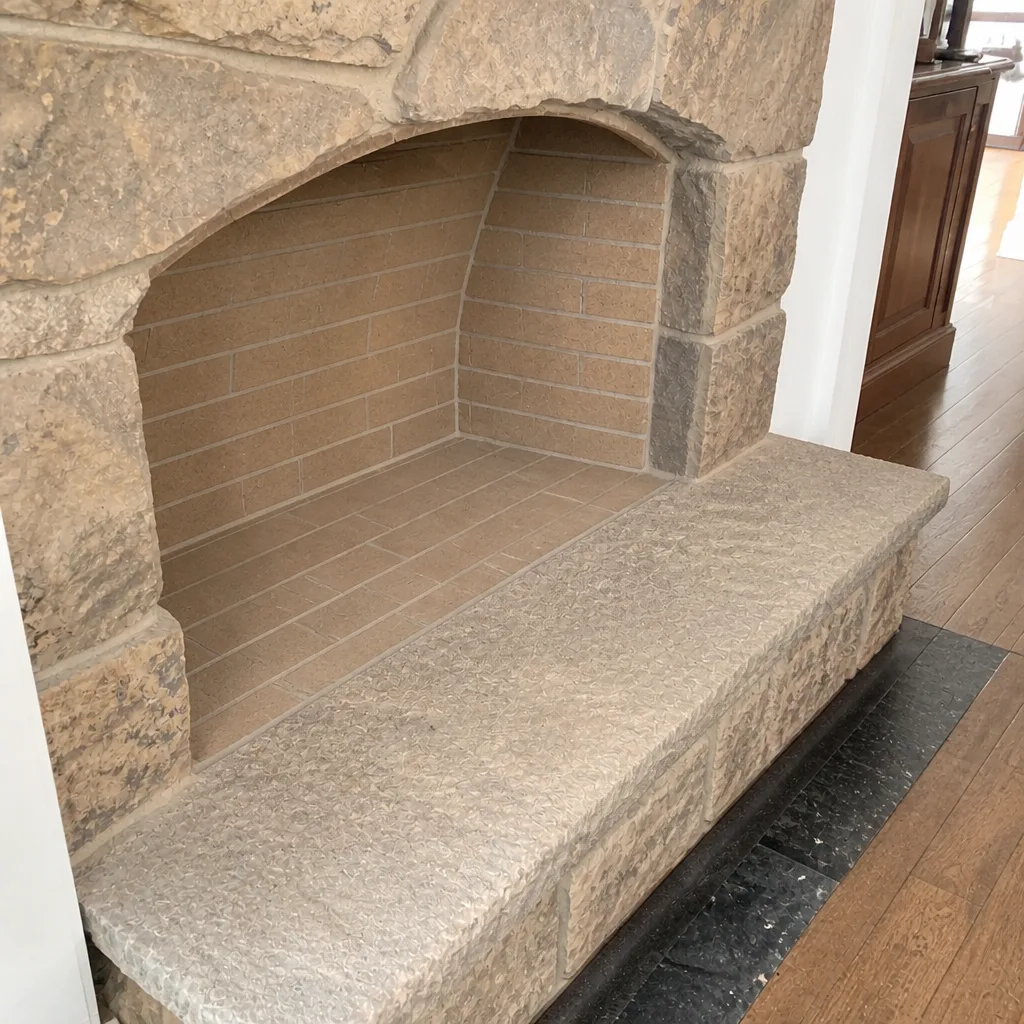
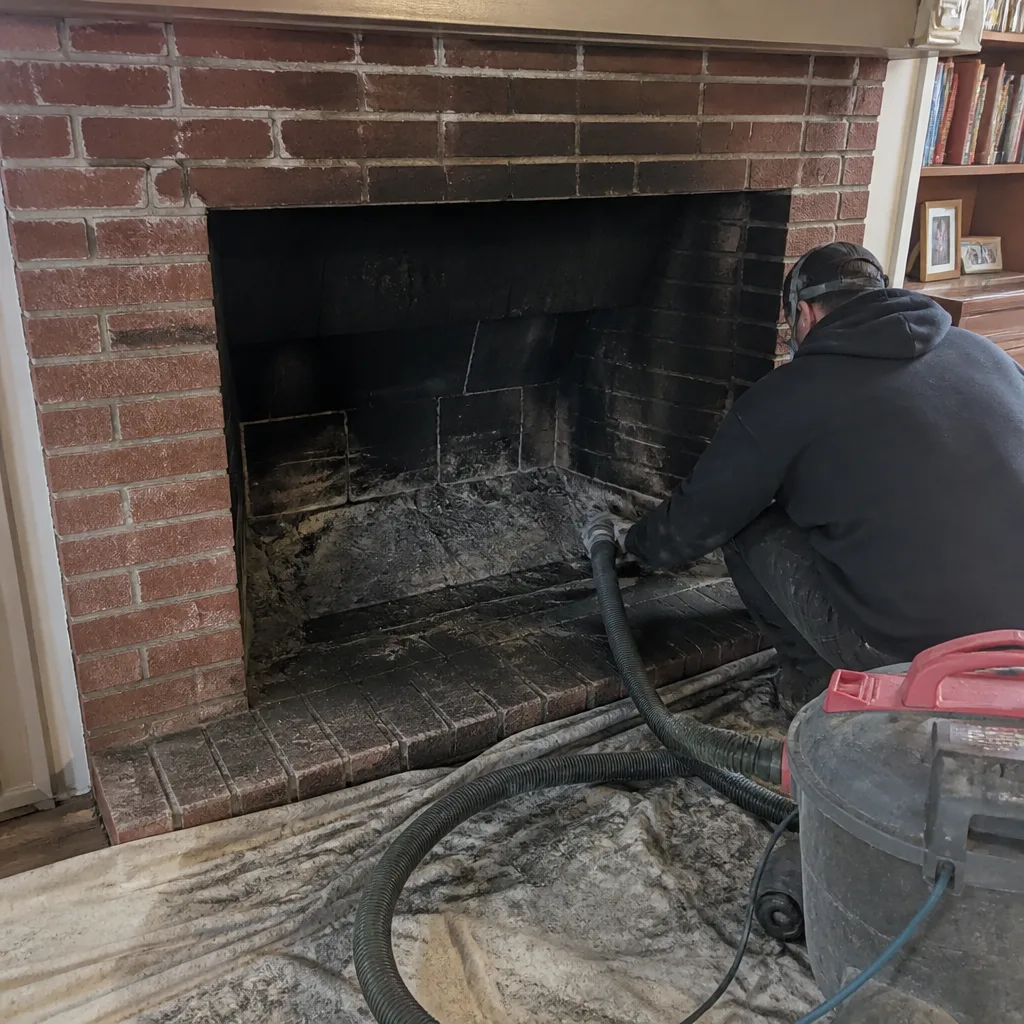
See the difference
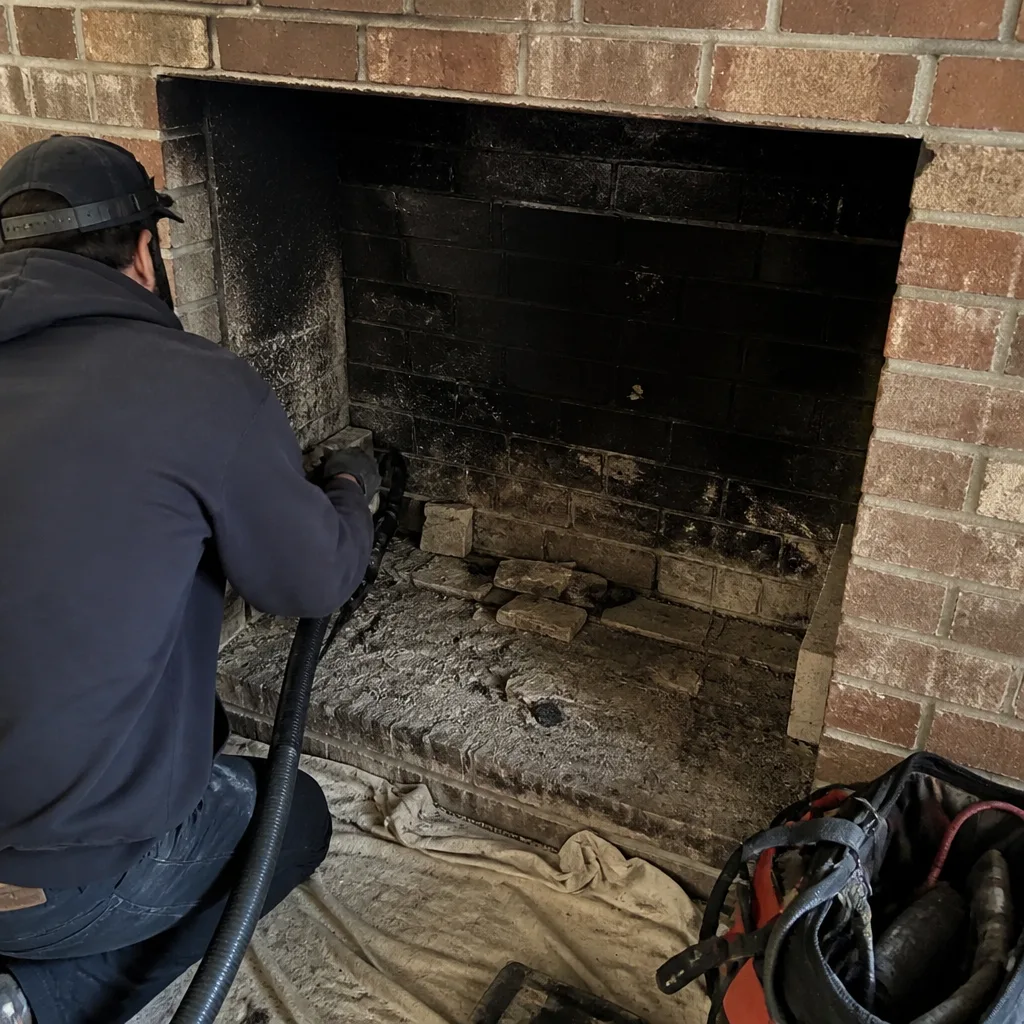 Before
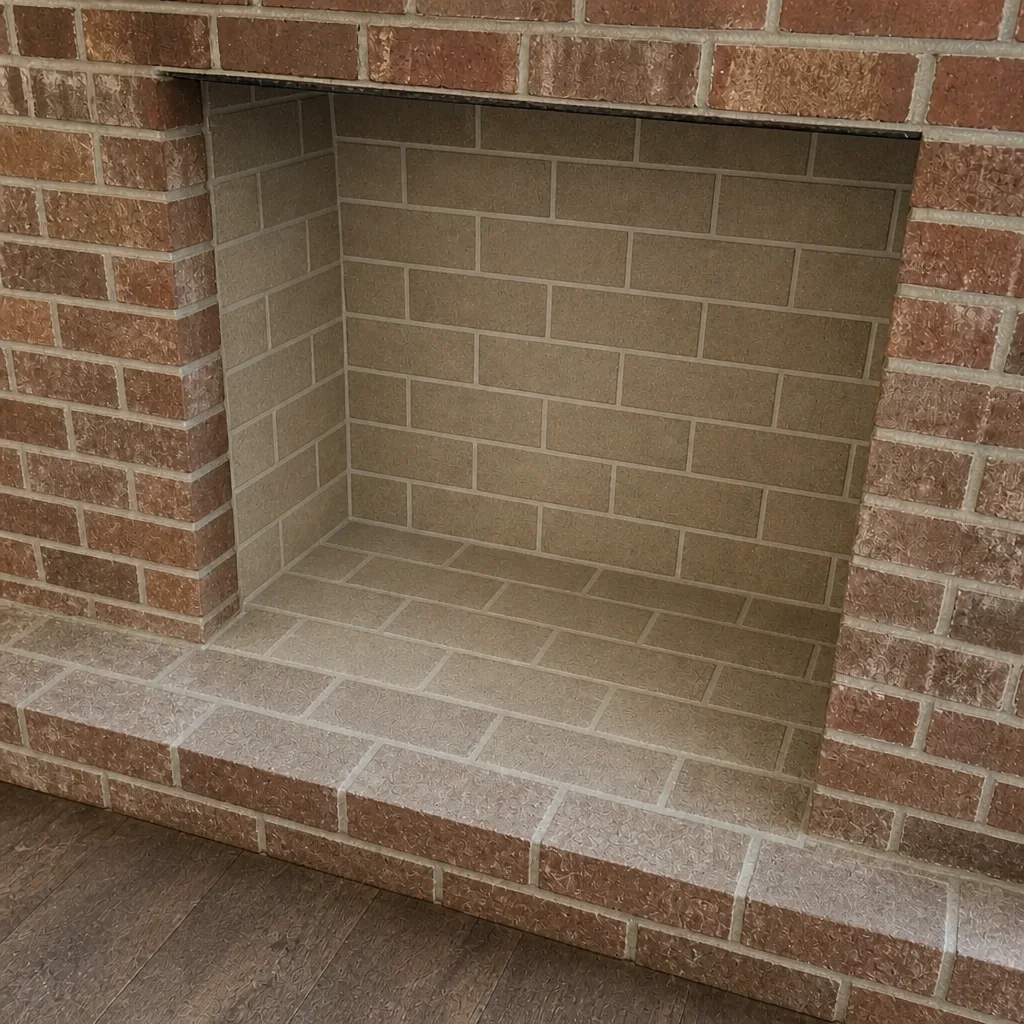 After
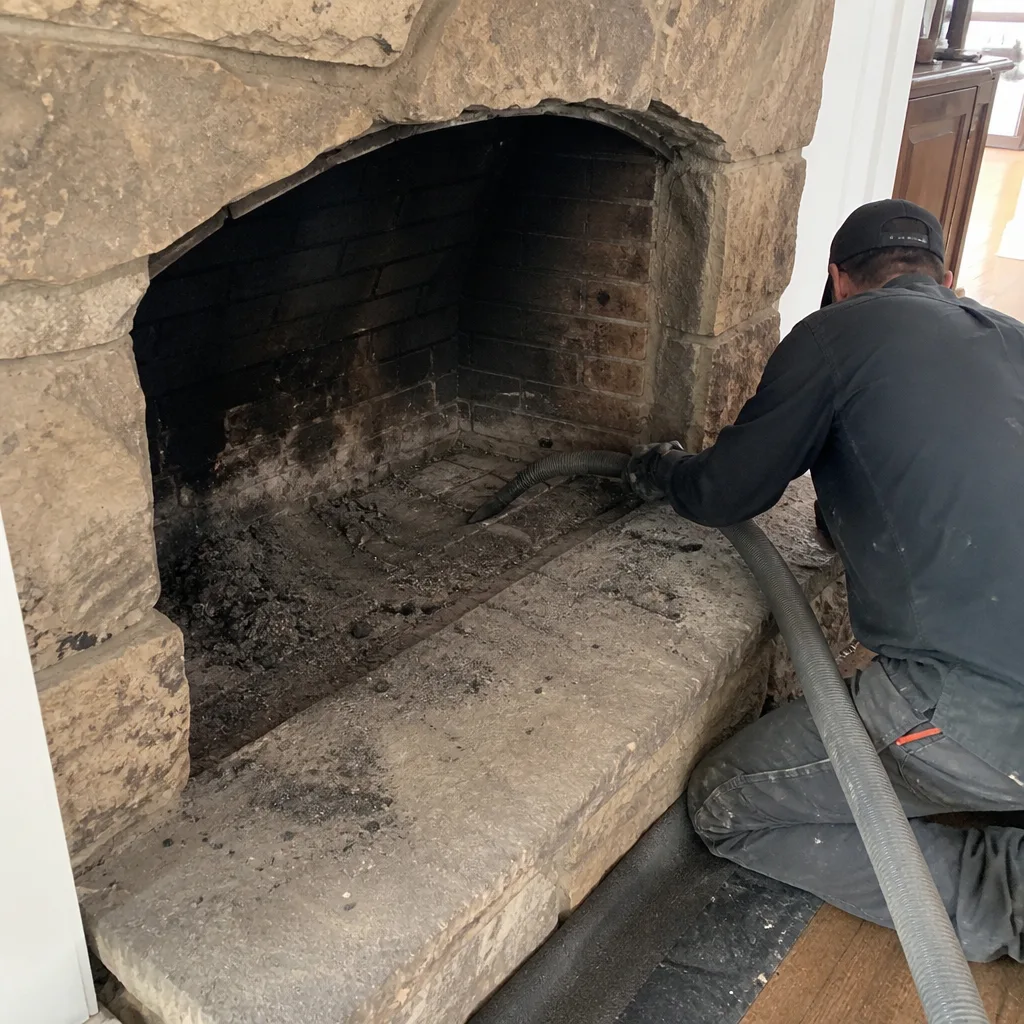 Before
 After
 Before
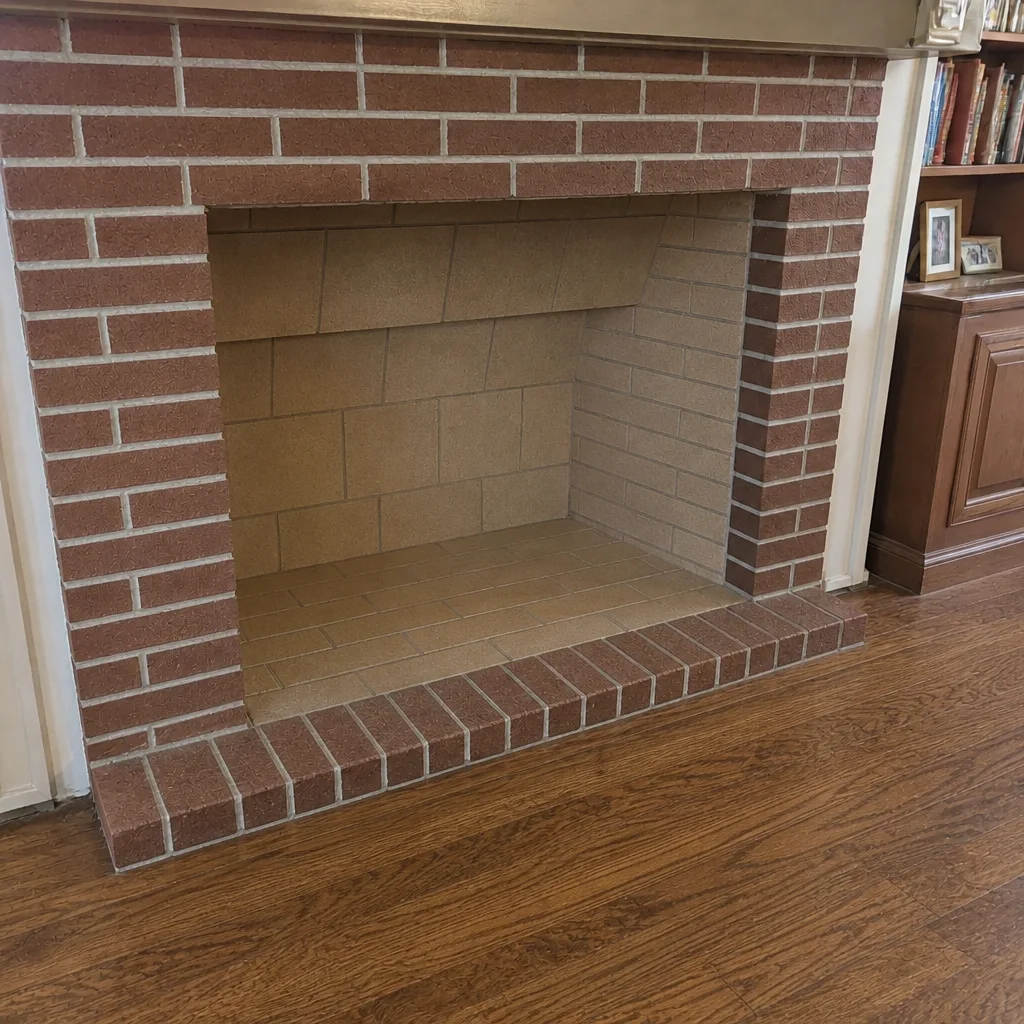 After
When to Call a Professional
Call a professional sweep when the chimney is outside the DIY envelope: any first-time inspection, any prior chimney fire, any glazed or shiny deposit, any cracking in the firebox or above the damper, or any of the common University Park symptoms like backdrafting, smoke smell in the house, or a crown you haven’t looked at in years. We also recommend it for any home you’ve just bought, since the prior owner’s documentation is usually gone and the flue’s condition is unknown. University Park Chimney Sweep offers free estimates in University Park, and we’ll tell you exactly what we find in writing. Call (888) 848-9521. We answer 24/7. Fast dispatch from 7am to 7pm, Sunday through Friday.
There’s also a middle path worth knowing about. Inspection is offered as a standalone service, and it’s often the right call when you’re not sure whether you need a sweep or not. A camera scan tells you what the flue actually needs; you don’t have to commit to a repair to find out. That’s the education-first posture that makes sense for a homeowner facing an unknown chimney.
Frequently Asked Questions
Yes, if your flue is straight, has been professionally inspected in recent years, and has only soft annual soot. It is not a safe DIY option in a flue of unknown condition, a glazed flue, or any chimney with a suspected liner crack. When in doubt, book an inspection first and let the findings decide. Call (888) 848-9521 for an exact quote – estimates are free.
A professional sweep performs a camera inspection of the full flue, identifies creosote stage and liner condition, and provides a written record of the chimney’s condition. That visibility, not the soot removal, is the real product. We also work with professional-tier materials like HeatShield for flue resurfacing and DuraFlex liner systems when repair is needed. Call (888) 848-9521 to talk through what your chimney needs.
A routine chimney cleaning in University Park typically costs between about $150 and $300 for a standard flue, with inspections ranging a little higher and repair work priced per job by the written estimate. We don’t do call-out fees or surprise diagnostics; the written quote is what you pay. Call (888) 848-9521 for an exact quote – estimates are free.
Not every chimney needs a liner, and no reputable sweep should tell you it does without camera evidence you can look at yourself. A clay-tile flue with intact joints may last years longer with resurfacing via HeatShield rather than a full replacement. If your liner needs work, the camera shows it and we’ll walk through the findings with you before any quote. Call (888) 848-9521 to book an inspection.
Creosote builds inside the flue each season, and glazed stage-three creosote is the fuel source for a chimney fire. Skipping the sweep doesn’t create the hazard immediately, but it lets small issues like crown cracks and liner joints grow into larger repairs. The sweep itself is a low-cost check, and it’s the cheapest way to keep the chimney safe. Call (888) 848-9521 to get on the schedule before the season.
Once a year is the standard for regularly used fireplaces, and this holds in University Park where the burn season runs Oct through March. If you burn less often, an every-other-year schedule with an annual visual inspection can be fine. If you burn green wood or your fire is often low and smoky, sweep annually and get an inspection every time. A chimney sweep with an inspection is the routine that keeps the record intact.
The Bottom Line
DIY brushing is a legitimate annual habit in one specific chimney situation: a straight, sound, previously inspected flue with only soft soot. In every other case, the brush removes what you can reach while hiding what you can’t see. A camera inspection reveals glazed creosote, liner cracks, smoke chamber damage, and crown failures that a mirror can’t, and those are precisely the findings that compound into larger repairs if they wait. The math favors the professional whenever the flue’s condition is uncertain, and it always is in a newly purchased home or after a chimney fire. When the findings are yours to see and the repairs are matched to the flue, you light the fire with confidence rather than hope.
Contact University Park Chimney Sweep for a free estimate on a sweep, inspection, or repair in University Park. Call (888) 848-9521. We answer 24/7. Fast dispatch from 7am to 7pm, Sunday through Friday. One call covers it, and we’ll tell you exactly what we find. Whether it’s routine annual maintenance, a University Park Chimney Sweep inspection, or matched cap and crown work, our trained technicians have up to 15 years of experience working with professional-grade materials on chimneys across University Park.
Written by the team at University Park Chimney Sweep.