
Last updated November 24, 2026
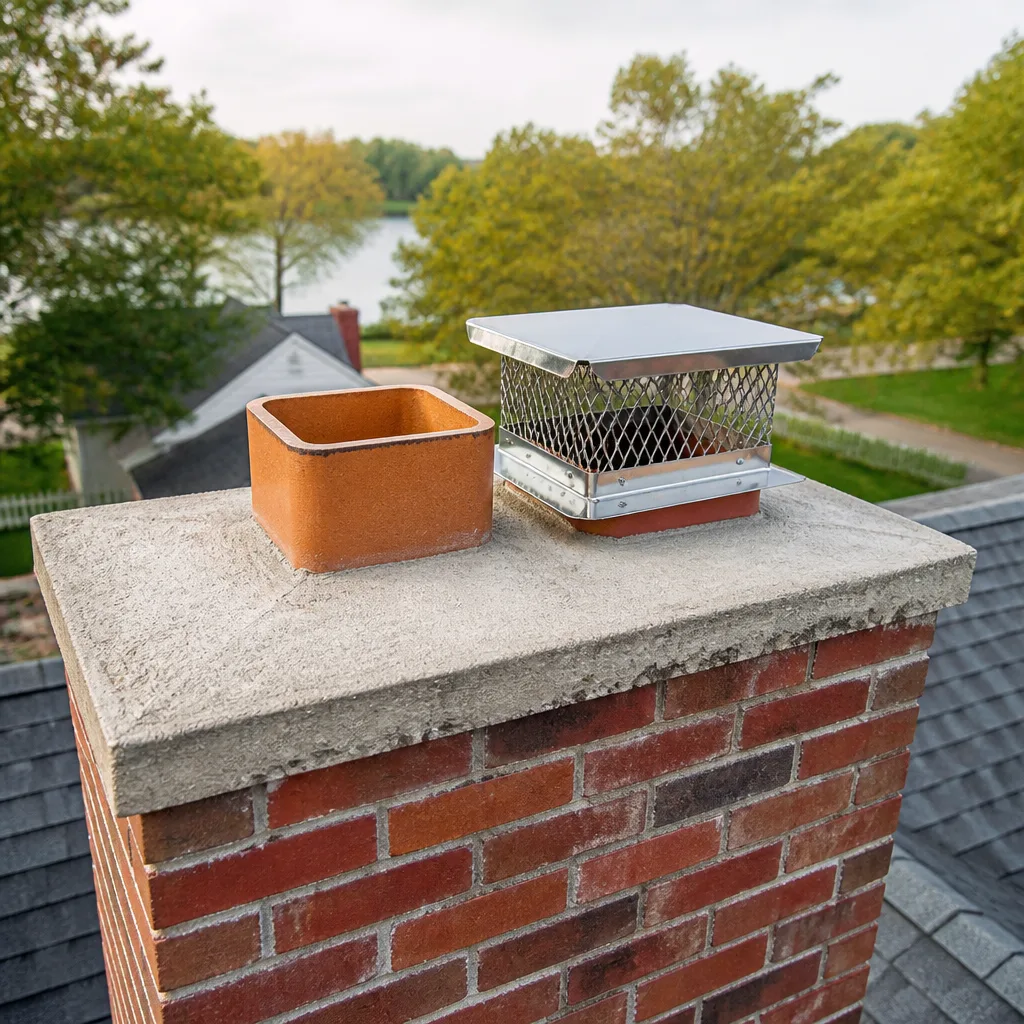 Sweep & inspection
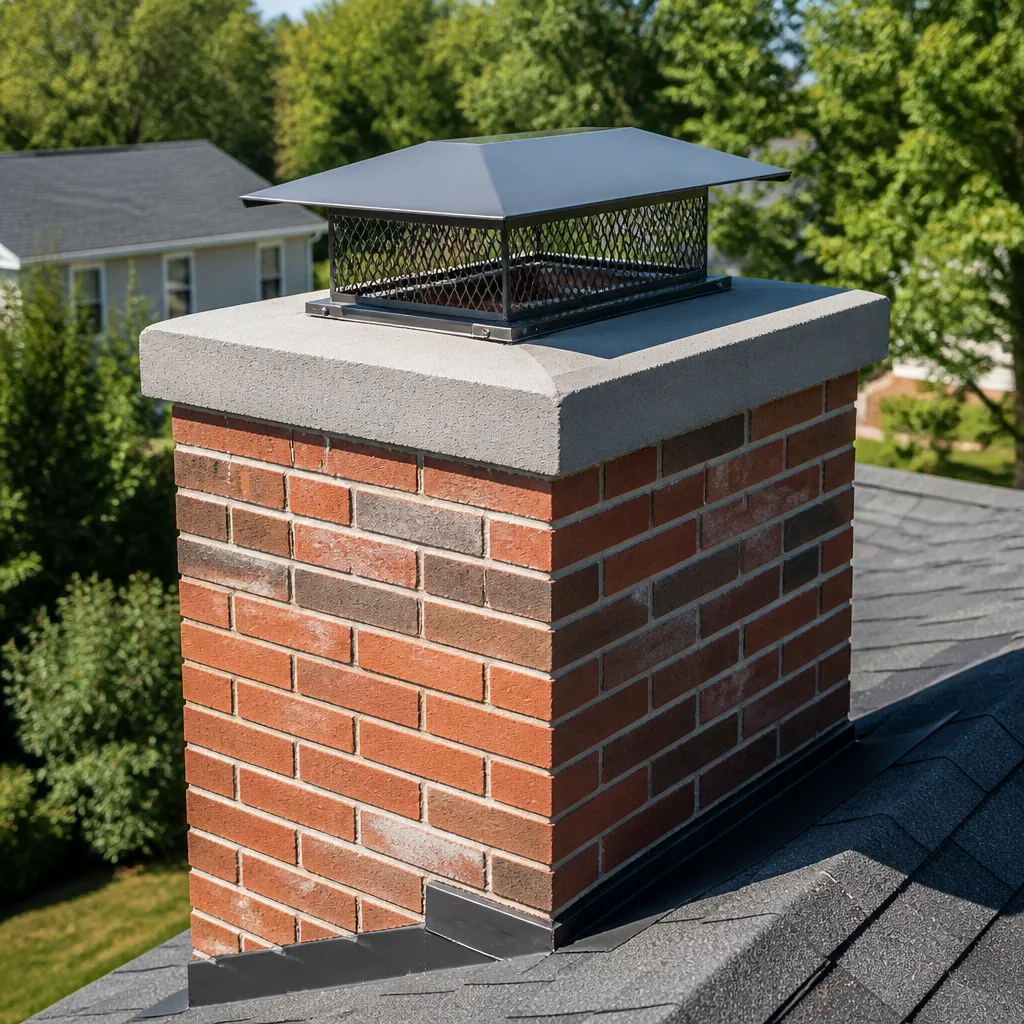 Caps & crowns
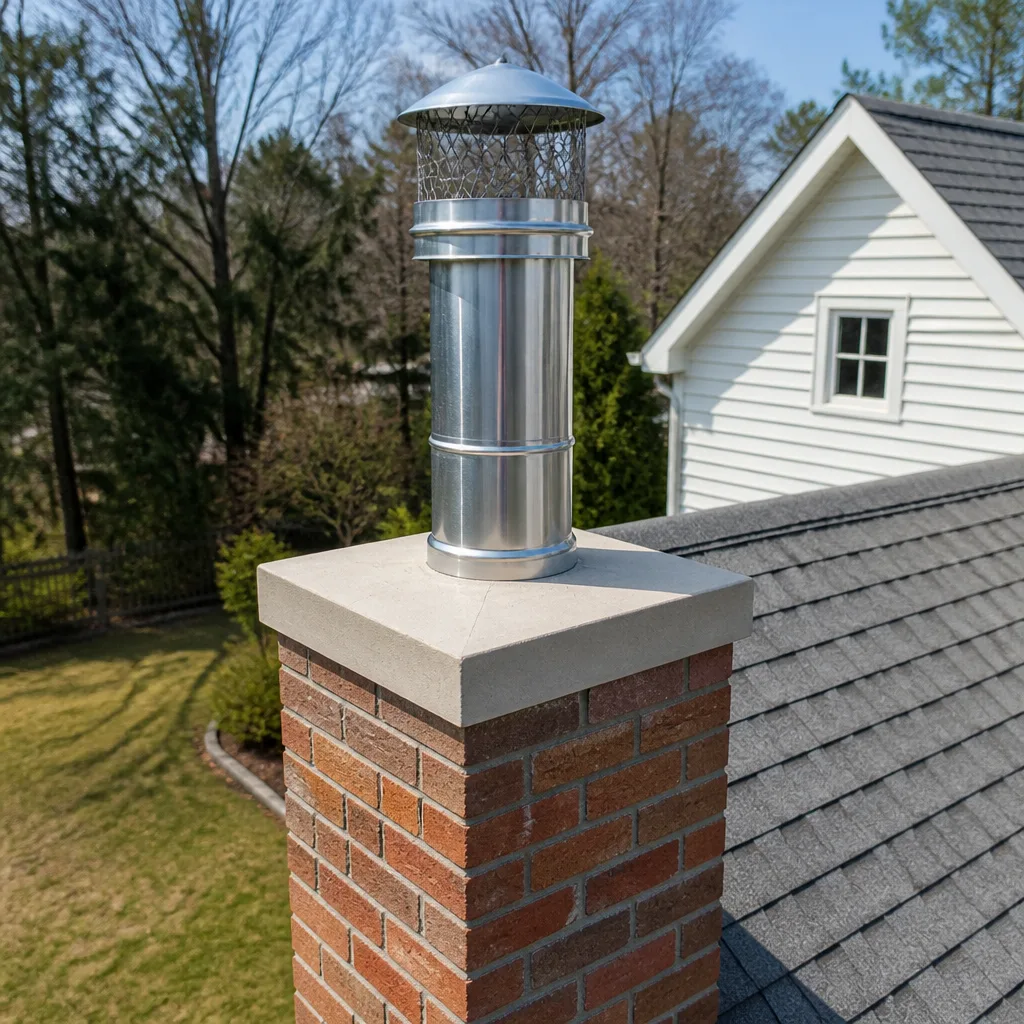 Flue relining
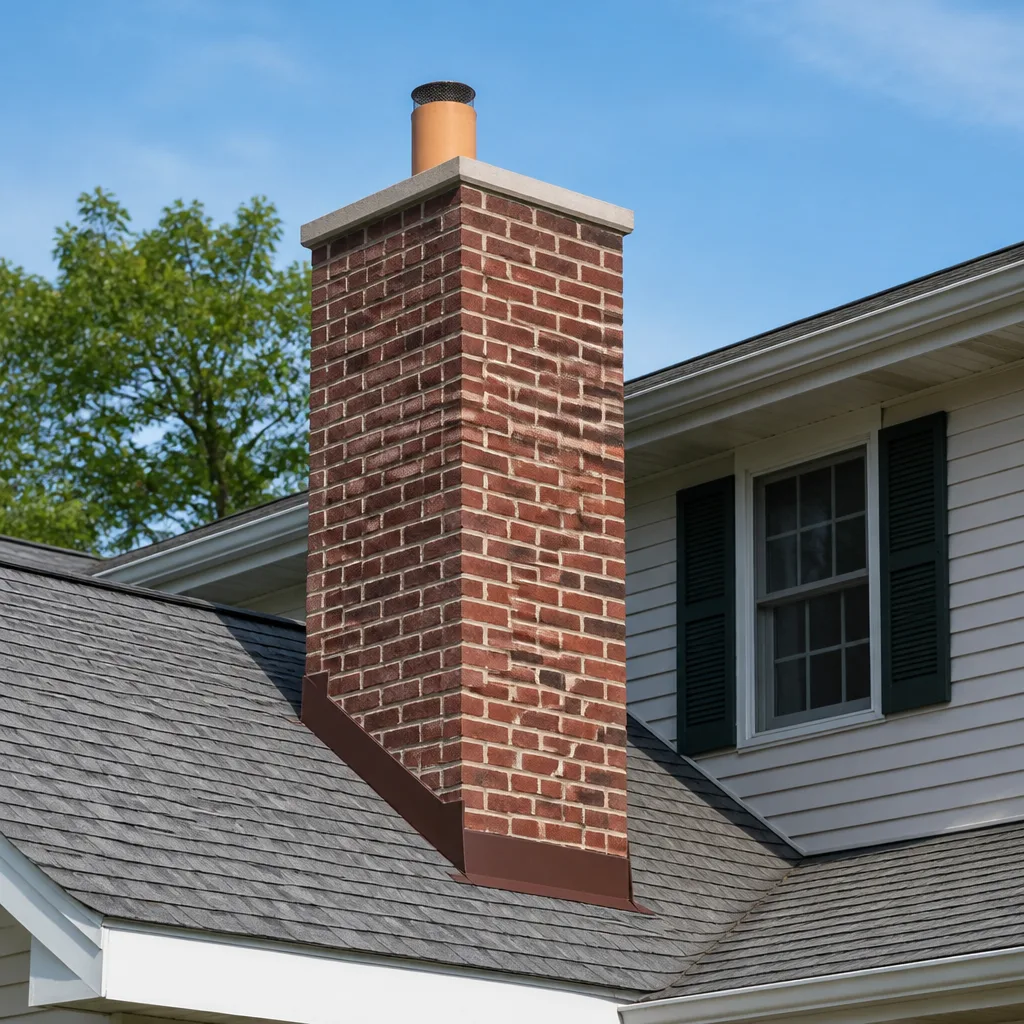 Masonry repair
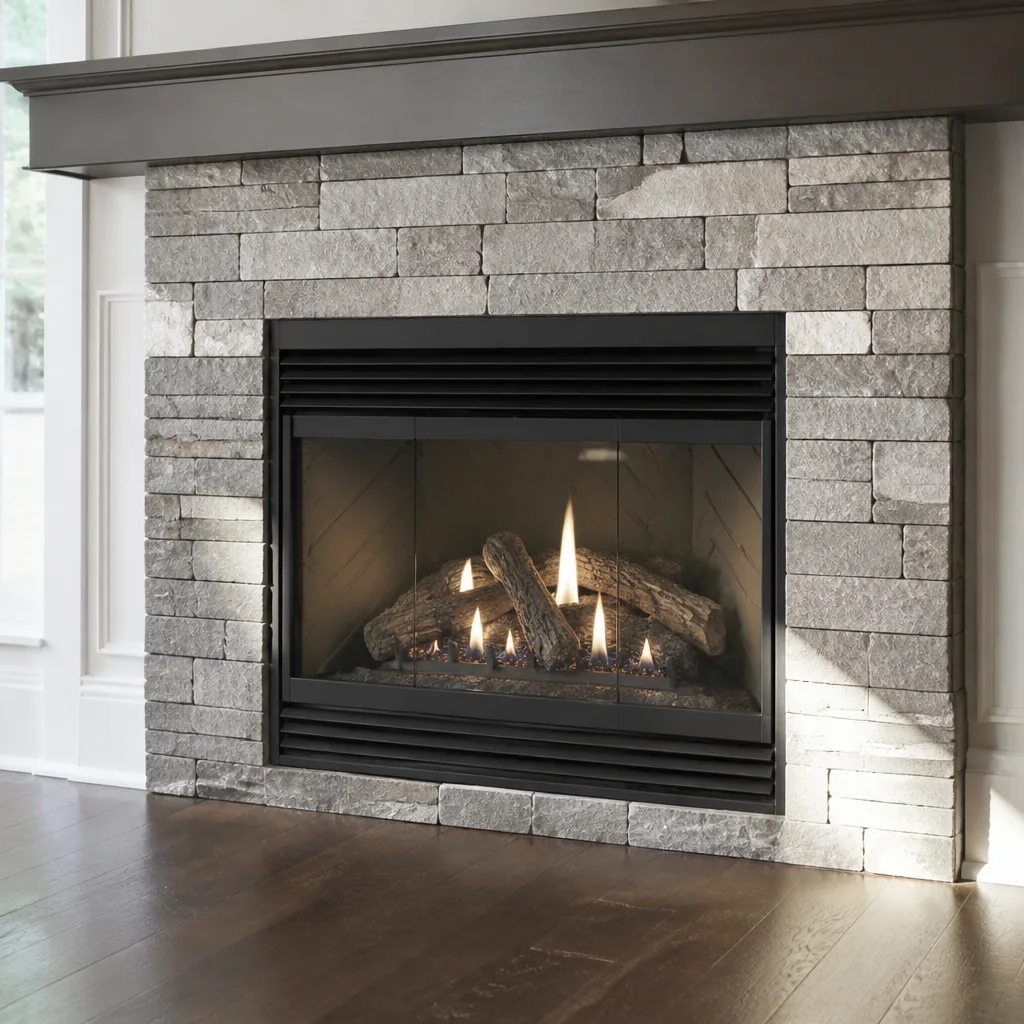 Gas fireplace service
Level 1 sweep and inspection to the NFPA 211 annual standard - flue, crown, cap, and flashing checked and photographed
Chimney sweep logs do not sweep chimneys. They loosen some creosote - which then falls where a brush and vacuum still have to collect it.
Seasonal Chimney Cleaning Care for University Park: Year-Round Homeowner’s Guide
Most homeowners treat the chimney like a furnace filter: service it once before winter and forget it until the next fall. That single-service habit leaves eight or nine months of damage unaddressed. In University Park, the weather doesn’t wait for October, and neither does the moisture working its way into brick, mortar and crown. Late summer is when hail damage to a chimney cap often sits undetected, and that opening lets water into the flue through the whole shoulder season before anyone lights a fire. This guide covers what each season does to your chimney system, how to weatherize for the temperature swings that define University Park, and how to decide what genuinely needs professional attention and what can wait.
Quick Answer
Chimney care in University Park is a four-season job, not a fall tradition. A post-winter inspection catches spalling brick and water damage from freeze-thaw cycles, and a late-summer inspection catches hail and UV damage to the cap and crown before the wet shoulder season arrives. Creosote cleaning belongs in fall or early winter, before the first burn of the season, and depends on how much you actually burned the year before.
Styles & brands we work with
- Sweep & inspection
- Caps & crowns
- Flue relining
- Masonry repair
- Gas fireplace service
Table of Contents
- Why One Fall Cleaning Isn’t Enough in University Park
- Spring: Moisture, Spalling and the Case for a Post-Winter Inspection
- Summer: UV, Hail and the Damage You Can’t See
- Fall: Creosote Risk and the Pre-Burn Checklist
- Winter: Freeze-Thaw Cycles and What They Do to Masonry
- How to Weatherize a Chimney for Shoulder-Season Temperature Swings
- The Damper as a Moisture Barrier: When to Close It and When to Vent
- Seasonal Products Worth Applying: Water Repellents and Crown Coatings
Why One Fall Cleaning Isn’t Enough in University Park
Your chimney is an exterior masonry structure on a high-altitude site, and it takes a different beating in each season. The fall cleaning that most people schedule addresses creosote, which is real and important. It just doesn’t address the water, sun and freeze damage that accumulated between the last fire of March and the first sweep of October. Component failures in University Park tend to trace back to that gap.
We work on chimneys here all year and the pattern is consistent. A crown hairline crack opened up by a late spring hailstorm lets water in through June. That moisture saturates the masonry and then freezes and expands the following winter, pushing the crack wider. By the next autumn the damage has compounded, and the homeowner thinks the problem appeared overnight. It didn’t. It compounded quietly through three quarters of the year.
The fix isn’t more cleaning. It’s a seasonal inspection rhythm that matches what the weather is actually doing. Think of it as four stress periods:
- Spring: groundwater and snowmelt test every flashing detail and mortar joint
- Summer: intense UV breaks down sealants and crown coatings, and hail impacts caps and crowns directly
- Fall: the return of burning loads the flue with fresh creosote, and the first wet storms arrive
- Winter: freeze-thaw cycling works on any water that got in earlier in the year
Two inspections a year – one after the heating season and one before it – catch each problem while it’s small and cheap to correct. A third appointment in summer only makes sense if you see something suspicious from the ground. The rest of this guide walks through each season in detail so you can decide what applies to your situation.
Spring: Moisture, Spalling and the Case for a Post-Winter Inspection
Spring is when water damage becomes visible. Snowmelt runs down the slope of the roof and tests every joint around the chimney, and the freeze-thaw cycles of late winter have already loosened mortar in places that saw a lot of moisture. Spalling – masonry that flakes, peels or crumbles away from the surface – tends to show itself first in late spring when the brick dries out and any surface damage is easy to see against a sound face.
This is the strongest argument for a post-winter inspection. By March the chimney has been through an entire heating season and a winter of freeze-thaw, and any issue that developed over the winter is now diagnosable. A pre-season sweep in the fall catches creosote. A post-winter inspection catches the structural stuff that has a full season to get worse before anyone looks again.
What a spring inspection should cover:
- Mortar joints and the corbel where the chimney stack widens – a common water-entry point
- Flashing where the chimney meets the roof – the most common source of interior leaks
- Crown integrity and the cap or screen condition
- Exterior brickwork for spalling, efflorescence and open mortar joints
- Interior flue condition, especially at the smoke chamber and damper
- Firebox and hearth assembly for cracks and loose materials
If you have a wood-burning fireplace you use regularly in University Park, this inspection also tells you what your cleaning interval actually is. Heavy users need a sweep more than once per year. Light users may not. The inspection is what tells you which camp you’re in.
Summer: UV, Hail and the Damage You Can’t See
Summer in University Park is the season when chimney problems go into hiding. The cap and crown are the most exposed components on the whole house – they sit on top of a masonry stack, no roof overhang protects them, and they take every hailstorm head-on. A hailstorm can crack a crown or dent a metal cap screen without leaving any sign inside the house. The water damage starts right away, but it won’t be visible in the living room until the first fall rain finds the crack and travels down.
UV is the quieter problem. Standard masonry sealants and low-end crown coatings break down under direct high-altitude sun and start to chalk and craze. Crazing is what the fine surface cracks are called – the coating looks intact from a distance, but it’s no longer waterproof. There’s no rule of thumb for how fast this happens, but if the coating on your crown is more than a few seasons old, it’s worth a look from the roof before the wet season.
What you can check yourself in summer, safely, from the ground:
- Use binoculars or a phone camera on zoom to inspect the cap and crown for visible cracks, missing screens or loose sections
- Look for rust stains on the masonry below the cap – a sign that the cap or flashing is failing
- Check inside the firebox for water stains, dampness, or a musty smell that could point to a leak
- Note any daylight visible through the flue when the damper is open (a sign of a missing or failed cap)
Do not walk a roof to inspect a chimney yourself. It’s steep, it’s high and the risk of a fall outweighs any information you’d gain. Anything that looks off through binoculars is worth a professional look. If you’re noticing these signs and want a proper inspection, a dedicated chimney sweep visit that includes a camera inspection and photo report will tell you exactly what’s happening inside the flue.
Fall: Creosote Risk and the Pre-Burn Checklist
Fall is creosote season, and creosote is the reason chimney cleaning matters. When wood burns, the smoke carries unburned byproducts up the flue. Those byproducts condense on the interior surfaces of the flue as the smoke cools, and over the course of a heating season they build up. Glazed creosote – the hard, shiny, tar-like stage – is what chimney fires are made of. It takes more heat to ignite than ordinary soot, but once it does, it burns hot enough to damage the flue itself.
Before lighting the first fire of the season in University Park, work through a pre-burn checklist:
- Get the chimney swept if you burned wood last season – the sweep will tell you whether your usage warrants an annual visit or something less frequent
- Confirm the cap is intact and the screen is clear of nests and debris
- Check the firebox for cracks and the damper for free movement
- Test smoke alarms and carbon monoxide detectors on the same day; replace the batteries
- Have a small amount of seasoned firewood on hand – dry wood burns cleaner and produces less creosote than green or wet wood
- Confirm the flue is clear of blockages before the first fire, either by eye through the damper or with an inspection
If you’ve just bought a home with an existing chimney, treat the first fall in the home as the moment to establish a baseline. A standalone inspection tells you the condition of the system as it stands today, which gives you a reference point for everything that follows. It’s an education-first approach, because you can’t properly maintain what you haven’t yet assessed.
Winter: Freeze-Thaw Cycles and What They Do to Masonry
Winter is when damage that started earlier in the year accelerates. Masonry is porous. Any water inside the brick or mortar will freeze when the temperature drops, expand as it turns to ice, and push against the surrounding material. Then it thaws, the water can move deeper, and the cycle repeats. This is what eventually causes spalling, mortar failure and, in extreme cases, a leaning or separated chimney stack.
University Park sees enough of a swing between cold nights and warmer afternoons that freeze-thaw cycling isn’t a once-a-winter event – it happens repeatedly through the season. That’s harder on masonry than a climate that stays cold all winter, because each thaw allows fresh moisture into the material before the next freeze.
What this means for winter care:
- Keep the firebox dry – if you notice water inside after a storm, that’s a sign of a cap, crown or flashing failure that should be inspected as soon as conditions allow
- Don’t ignore a chimney that’s smoking differently from last year – changes in draft can indicate damage or a partial blockage
- Watch the exterior for fresh cracks or efflorescence (the white, powdery staining that signals water moving through masonry)
- If you see a section of the stack that looks shifted or leaning, don’t use the fireplace until it’s been inspected; call a professional without delay
A chimney that has been properly inspected and repaired before winter will generally handle a normal season without issue. A chimney that hasn’t been inspected in years is carrying risk into the coldest part of the year, when it’s hardest to fix. That’s why the fall cleaning should always be paired with an inspection, not treated as a substitute for one.
How to Weatherize a Chimney for Shoulder-Season Temperature Swings
Spring and fall in University Park bring wide daily temperature swings – roughly 40°F between the warm afternoon and the cold night – and those swings are harder on a chimney than either season on its own. The masonry warms and cools, expands and contracts, and any surface coating that isn’t flexible enough cracks under the stress. Weatherizing isn’t one task; it’s a small set of tasks timed to the shoulder seasons.
The core steps:
- Repair the crown. The crown is the concrete or mortar cap at the top of the stack that sheds water away from the flue. A cracked crown is the single most common entry point for water. Coatings and repair products from professional supply brands like Copperfield and Gelco are formulated for masonry exposed to freeze-thaw cycling, and a dedicated chimney cap & crown repair closes this gap.
- Seal the flashing. The flashing is where the chimney meets the roof. A roofing contractor handles the roof side, but the chimney-side detail is properly the chimney specialist’s work. Any failed flashing detail here lets water straight into the ceiling.
- Apply a breathable water repellent to the masonry. Not a sealant that traps moisture – a vapor-permeable water repellent that sheds rain while letting interior moisture escape. Products that trap moisture inside the brick accelerate spalling instead of preventing it.
- Confirm the cap is intact and screened. A well-fitted cap keeps rain, snow, birds and debris out of the flue. Famco and Olympia Chimney caps are what we typically specify, because they fit the flue correctly and last.
- Check the damper function. A damper that doesn’t close properly loses heat up the flue in winter and lets moisture in during humid months. It’s a small fix that pays back across all four seasons.
The right time to weatherize is between the last burn of spring and the first freeze of fall – ideally in late spring or early summer, so the work has time to cure before the wet season. If you missed that window this year, it’s still worth doing now, because the damage from a season without water repellent compounds every year it’s left unaddressed.
The Damper as a Moisture Barrier: When to Close It and When to Vent
The damper is often discussed only as a draft control, but it’s also a moisture barrier for the firebox and the flue. Understanding when to close it and when to leave it open is one of the practical differences between a chimney that stays dry through the shoulder season and one that collects dampness and odor.
Close the damper when:
- The fireplace is not in use and you want to keep interior heated air from escaping up the flue
- Humid or rainy weather is expected and the flue has no other source of interior moisture
- The cap is intact and properly screened – a closed damper with a sound cap is a closed system
Consider opening the damper when:
- The firebox or flue is damp and you want to let it dry out during a stretch of dry weather
- There’s a persistent musty smell from the fireplace opening and no obvious water source; a slightly open damper with windows nearby can help dry it out
- A professional has flagged interior moisture that needs ventilation to resolve
What the damper can’t do is substitute for a sound cap and crown. If water is getting in through the top of the flue, no amount of damper management will dry the system out. The fireplace repair side of our work often starts with a moisture problem that turned out to be a crown or cap issue all along – and once that’s fixed, the damper behaves the way it should.
Seasonal Products Worth Applying: Water Repellents and Crown Coatings
Not every product marketed for chimneys belongs on a chimney in University Park. The climate rewards a specific set of materials: vapor-permeable water repellents, flexible crown coatings, and liners rated for the fuel type. It punishes anything that traps moisture or isn’t rated for freeze-thaw. Here’s what we recommend seasonally, and why.
Water repellents. Apply in late spring or early summer, after any masonry repairs have cured and before the wet season begins. Use a breathable formula. The test is simple: the product should shed water off the brick while allowing water vapor inside the masonry to escape. If a product forms a film, skip it.
Crown coatings. Apply after the crown has been inspected and any cracks repaired. Flexible coatings that move with the crown are what hold up under freeze-thaw cycling. The brands we source – HeatShield for flue resurfacing, Gelco and Copperfield for crowns and masonry repair, DuraFlex for liner systems, Famco and Olympia Chimney for caps – are the ones professional chimney contractors buy from industry distributors, not the general-purpose products sold at big-box stores. The difference matters most in exactly the conditions we have.
Flue resurfacing. HeatShield is a resurfacing system, not a cleaning add-on. If the interior of the flue has deteriorated but the structure is still sound, resurfacing can restore the flue surface without a full reline. That’s a repair option most sweeps can’t offer. When a full reline is needed, DuraFlex flexible liner systems handle wood, gas and oil appliances in one visit.
What not to apply seasonally. Skip anything that promises a spray-on “clean” solution for the firebox, skip any coating that advertises a waterproof film, and skip any product that isn’t specifically rated for the appliance type you have. Chimney products aren’t interchangeable across fuels.
Common Mistakes to Avoid
- Skipping the post-winter inspection. Most University Park homeowners schedule one fall cleaning and nothing else. That leaves spring and summer damage to compound for months before anyone looks. Two visits a year, at the start and end of the heating season, is what actually keeps the system healthy.
- Assuming the cap is fine because the interior looks dry. Water that gets in through a hail-cracked crown often travels down the outside of the flue and shows up as a roof leak instead of a fireplace leak. By the time water is on the ceiling, the crown has been failing for months.
- Applying a waterproof sealant to brick. Sealants that trap moisture inside masonry accelerate spalling in a freeze-thaw climate. Use a breathable water repellent, not a film-forming sealer.
- Burning wet or unseasoned wood. Wet wood produces more creosote per fire. In a climate where burning season is long, that difference adds up across a single winter and shortens the interval between cleanings.
- Treating a sweep as a substitute for an inspection. A sweep cleans the flue. An inspection tells you what the flue and the masonry around it actually need. They’re separate services, and in University Park you want both at least once a year.
- Ignoring the damper. A damper that doesn’t seal is a small repair with a big effect: it loses heat in winter and lets moisture in during the shoulder season. It’s easy to check and easy to fix.
- Postponing a reline because the fireplace still works. A chimney can vent smoke adequately while the flue surface has deteriorated. Smoke going up doesn’t prove the flue is sound. Only a camera inspection tells you that.
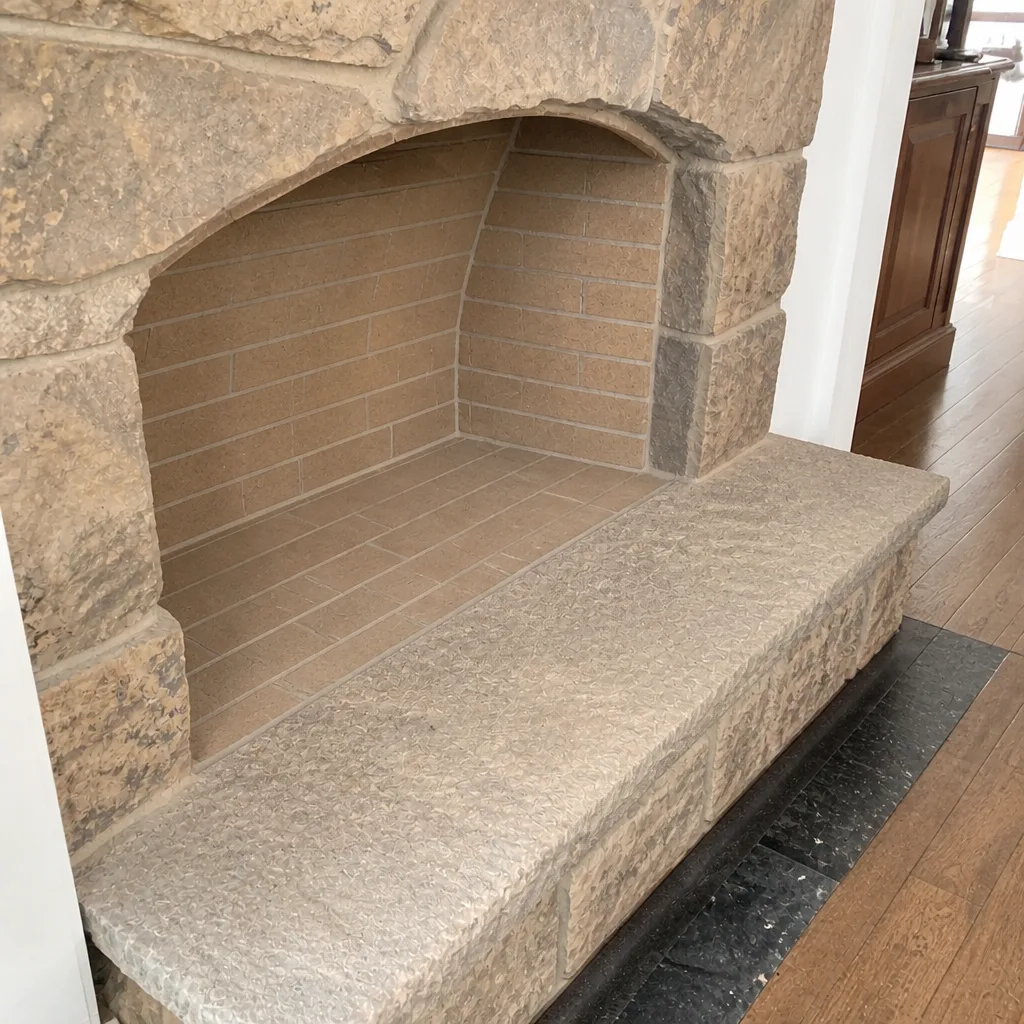
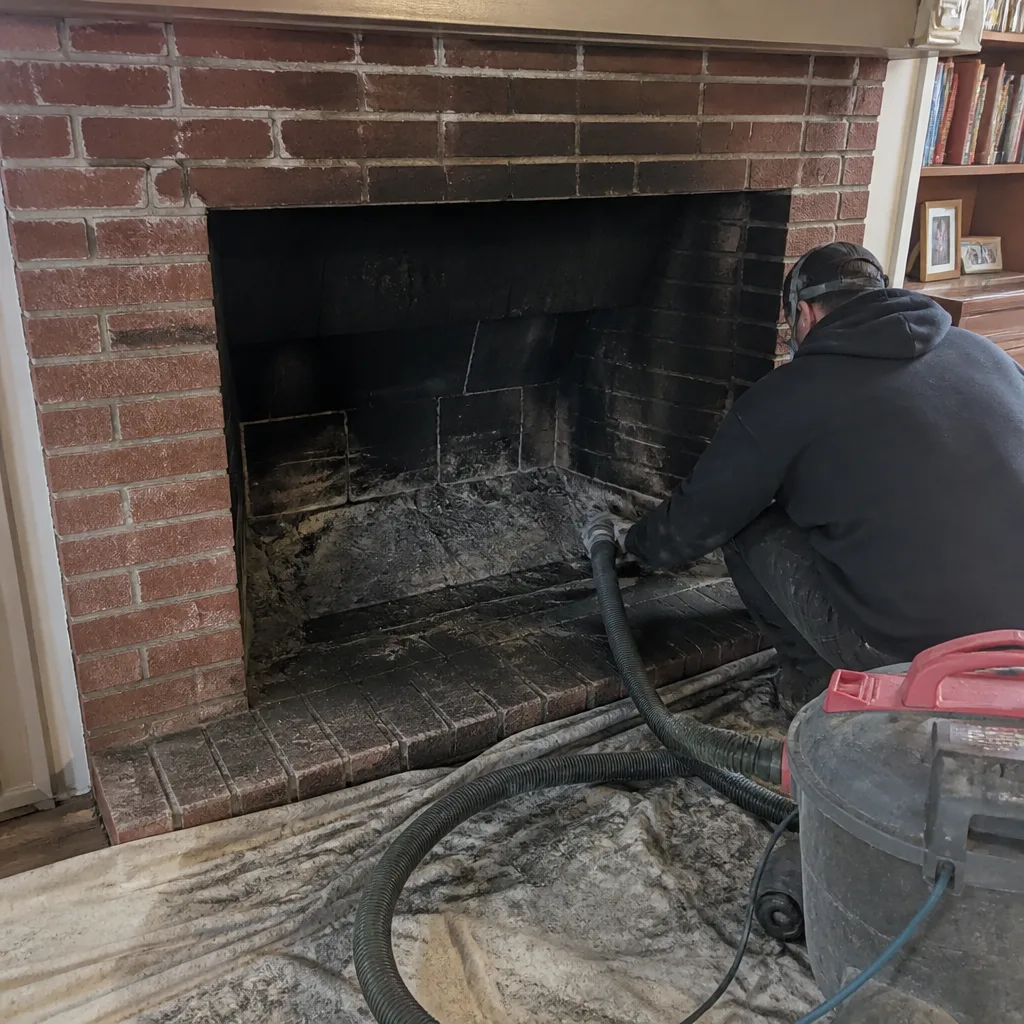
See the difference
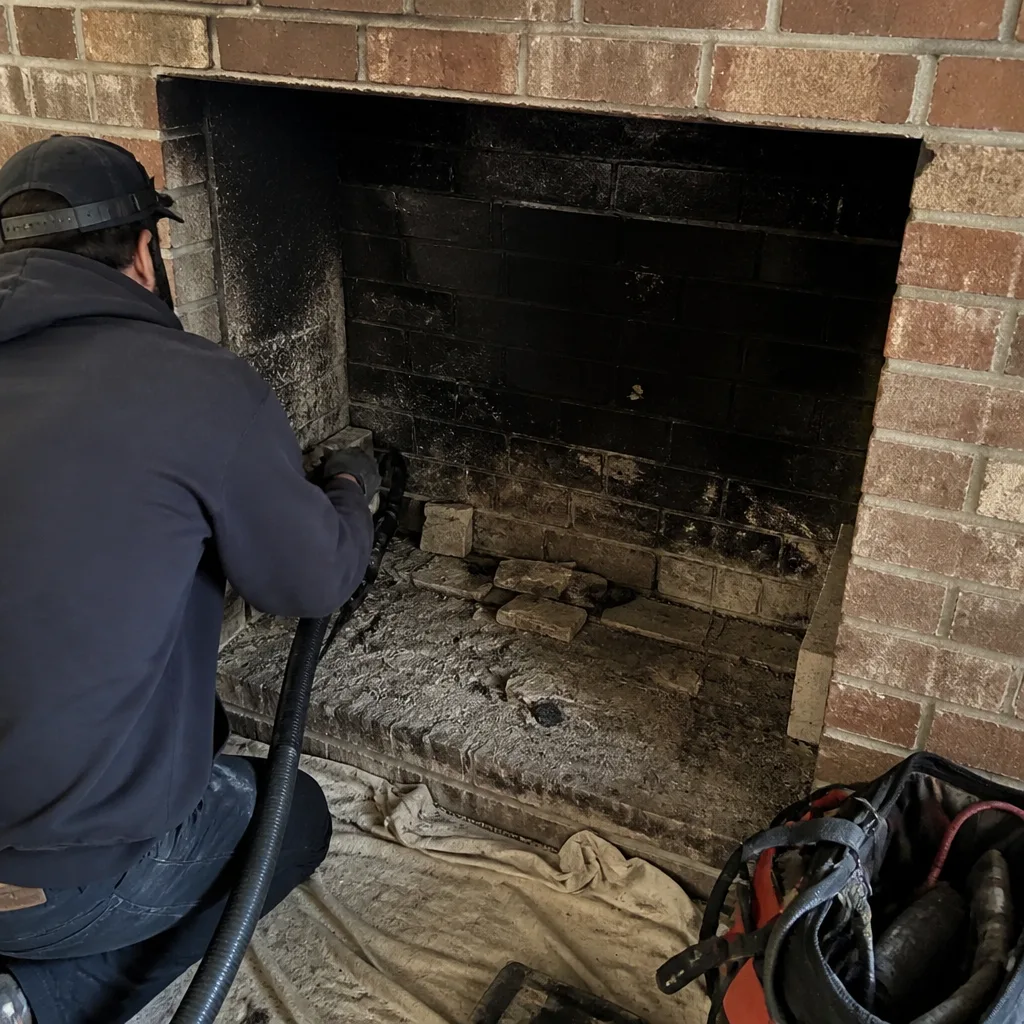 Before
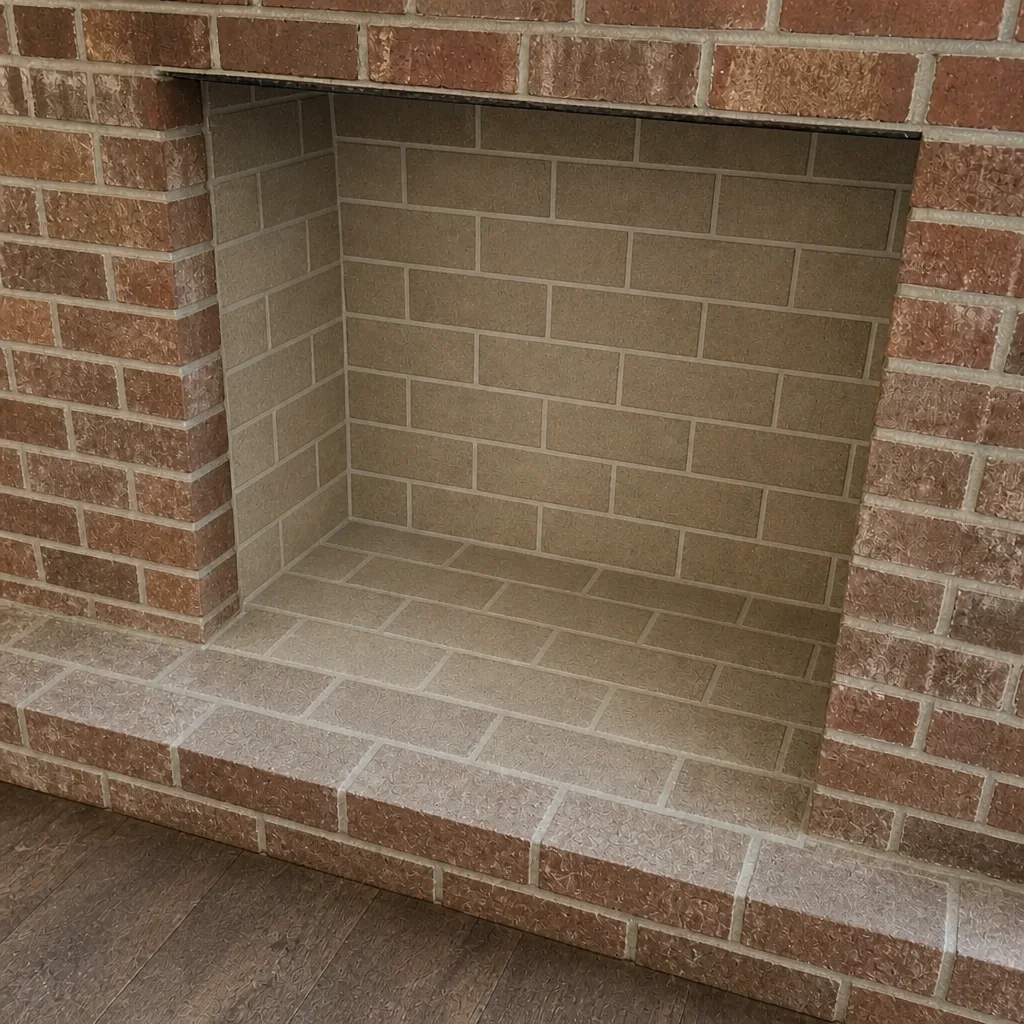 After
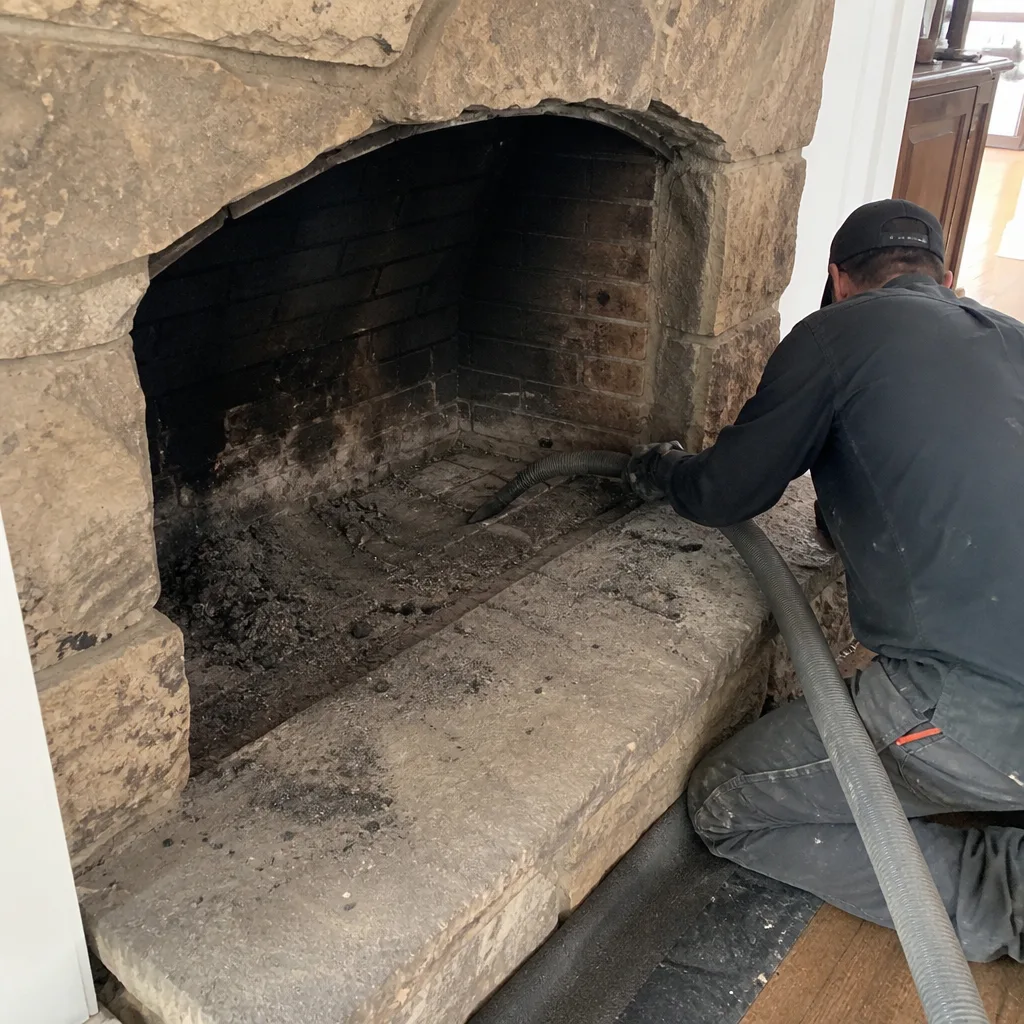 Before
 After
 Before
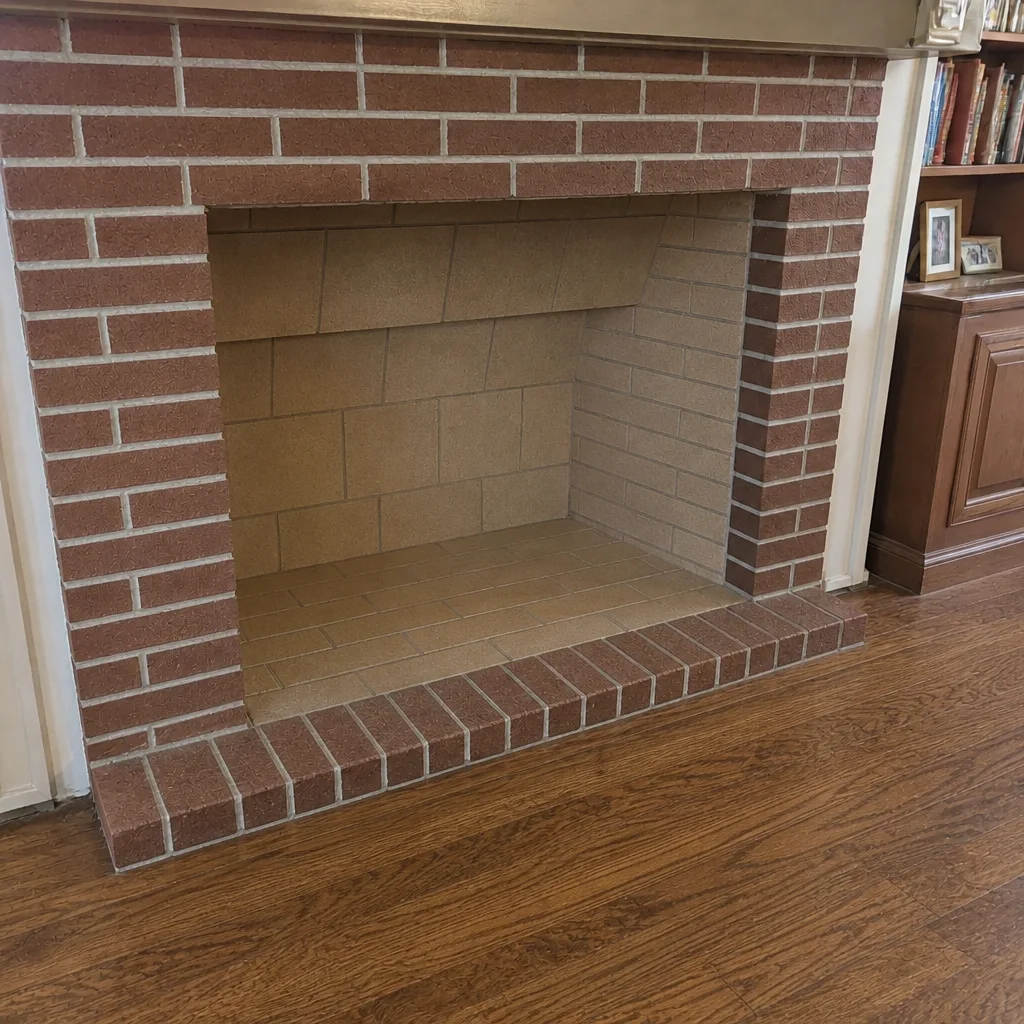 After
When to Call a Professional
Some seasonal maintenance is a homeowner’s job: checking the cap from the ground, testing detectors, keeping firewood dry, closing the damper. The rest belongs to a specialist. Call us when you see water stains inside the firebox or on the ceiling near the chimney, when the crown or brick show visible cracks or spalling, when the fireplace smokes differently than it used to, or when it’s been more than a year since the last inspection. Call before your first fire if you’ve never had the chimney looked at – especially in a home you’ve recently bought. University Park Chimney Sweep offers free estimates in University Park. Call (888) 848-9521. We answer 24/7. Fast dispatch from 7am to 7pm, Sunday through Friday.
Frequently Asked Questions
A chimney should be swept whenever the creosote layer reaches roughly a quarter inch, or at least once a year for anyone who burns wood regularly. Heavy users need it more often than once a year. Light users can sometimes stretch the interval, and the sweep will tell you honestly whether a full cleaning is necessary or whether the flue is still within a safe margin. Call (888) 848-9521 for an exact quote – estimates are free.
Yes, and they’re different services. A sweep cleans the flue; an inspection evaluates the full system – cap, crown, flashing, masonry, firebox, damper and interior flue. A sweep can’t tell you the crown is cracked or the liner is deteriorating. An inspection can. In University Park’s climate, an inspection after winter and another before the burn season is the rhythm that catches problems early.
No. Fall is the most visible season for chimney care because it’s when people schedule their sweep, but it’s not the only one that matters. Spring moisture, summer UV and hail, fall creosote and winter freeze-thaw each do their own kind of damage. The most expensive chimney repairs we see started with an unaddressed problem in a season other than fall.
One skipped season is usually survivable. A pattern of skipped seasons is not. Water from an unrepaired crown or flashing keeps working into the masonry, freezes and expands each winter, and eventually causes spalling and mortar failure. Creosote buildup over skipped cleanings raises the fire risk. Skipping isn’t an emergency in most cases, but it consistently converts a small repair into a large one.
You can do the parts that don’t require a ladder or roof access. Checking the cap from the ground, testing the damper, keeping the firebox dry – those are reasonable homeowner tasks. Repairing the crown, sealing flashing, and applying a proper water repellent to masonry take roof access and knowledge of the specific products for freeze-thaw climates. Those belong to a professional, and getting them wrong can cause more damage than leaving them alone. Call (888) 848-9521 to schedule an inspection.
A chimney sweep in University Park typically falls within a standard local range depending on the fuel type, the number of flues, and whether any additional cleaning or inspection is included. You’ll get a flat-price sweep agreed before booking, an inspection with a camera and photo report, and a written estimate that sets the final price. The exact quote depends on what your chimney needs. Call (888) 848-9521 for an exact quote – estimates are free.
The Bottom Line
Chimney care in University Park works best as a four-season practice, not a fall ritual. Spring and fall inspections catch the structural problems. Winter is when freeze-thaw punishes anything unaddressed. Summer hides the damage the other three seasons started. If you do only one thing differently this year, add a post-winter inspection to your schedule. If you do two, weatherize the crown and masonry before the wet season. Sweeping, inspecting, crowns, caps and repairs all belong with one chimney specialist rather than spread across several contractors. We’ll tell you exactly what we find, show you the camera evidence, and tell you plainly when work can safely wait.
To book a sweep, inspection, or repair estimate in University Park, call University Park Chimney Sweep at (888) 848-9521 for a free estimate. We answer 24/7. Fast dispatch from 7am to 7pm, Sunday through Friday.
Written by the team at University Park Chimney Sweep.