
Last updated November 24, 2026
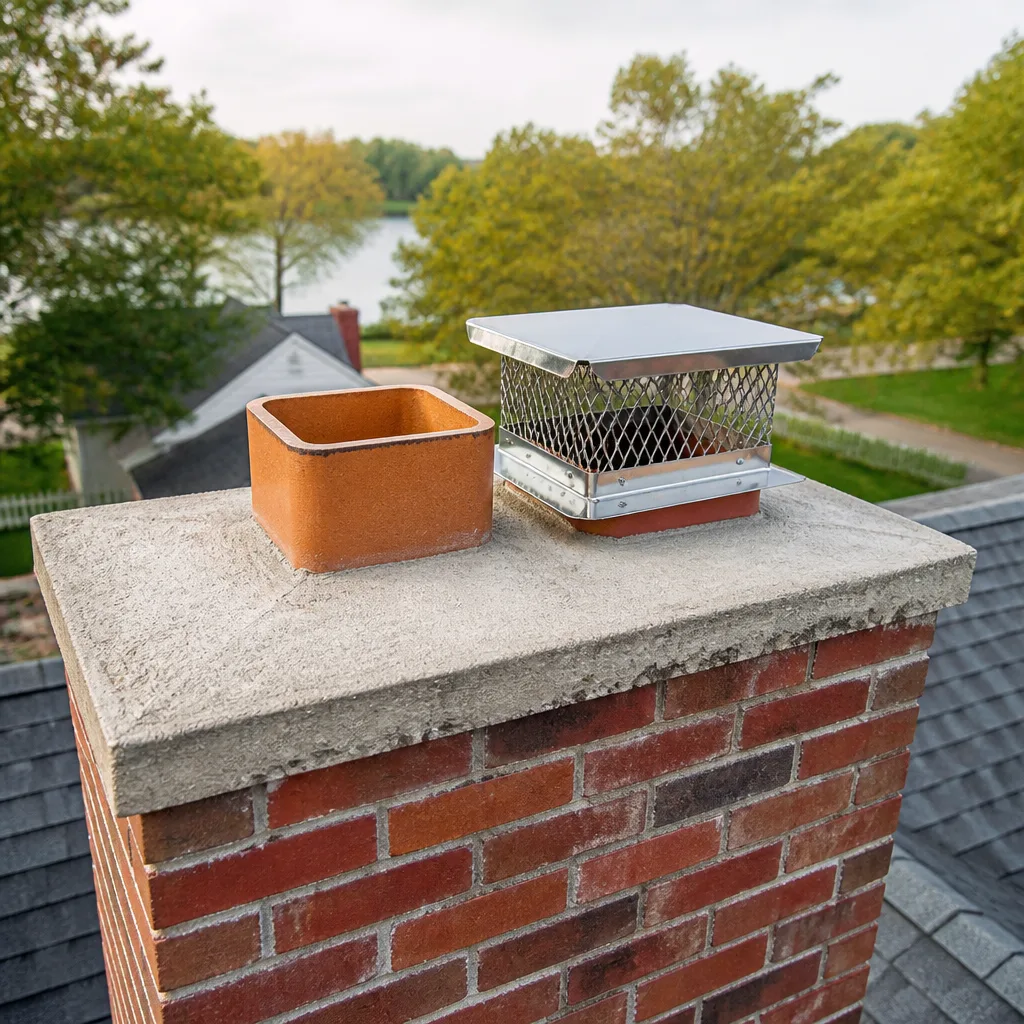 Sweep & inspection
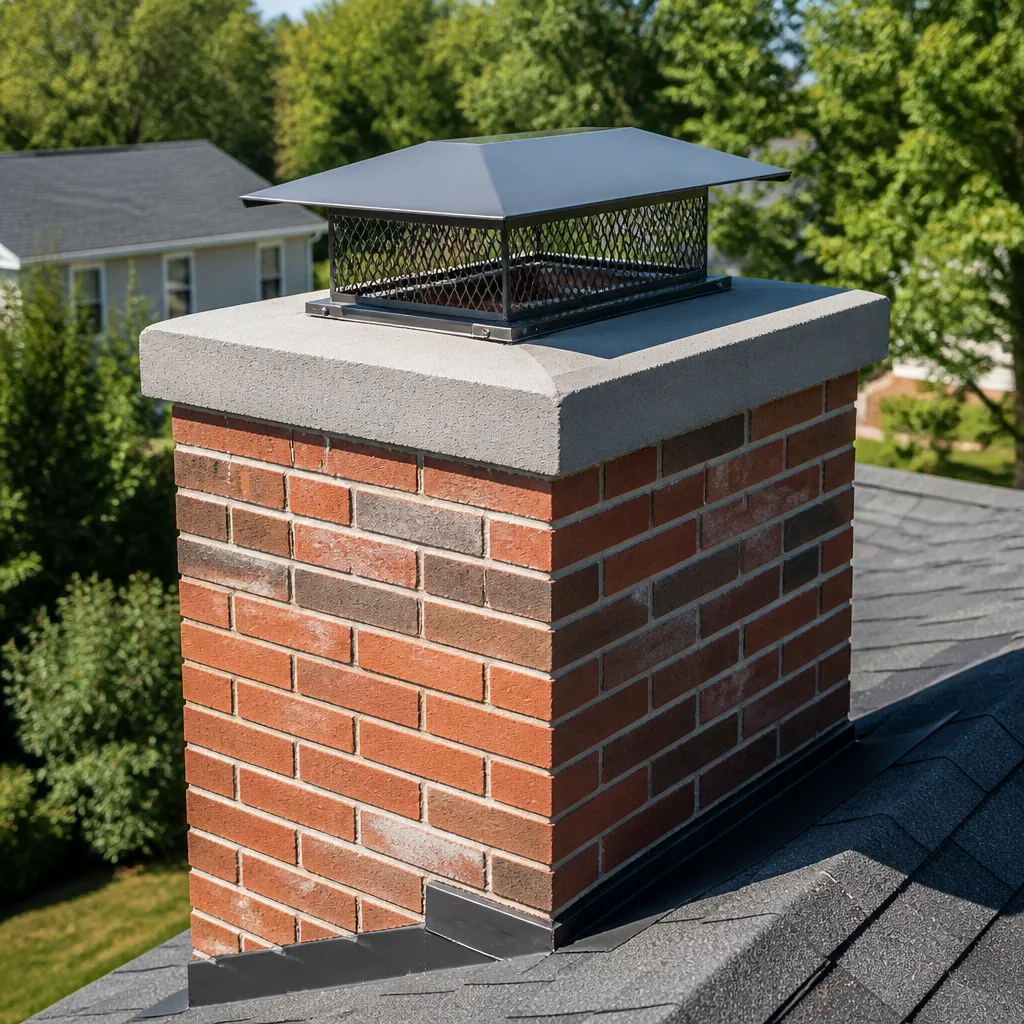 Caps & crowns
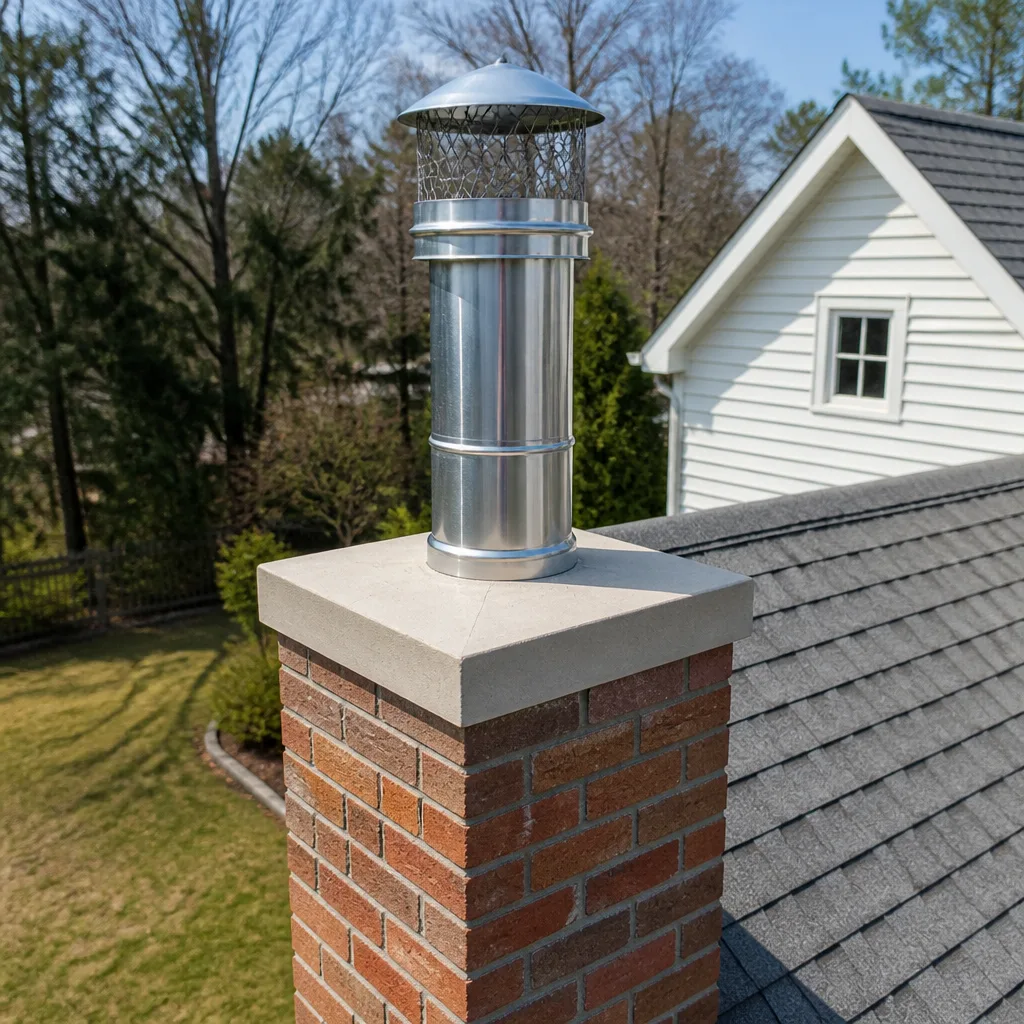 Flue relining
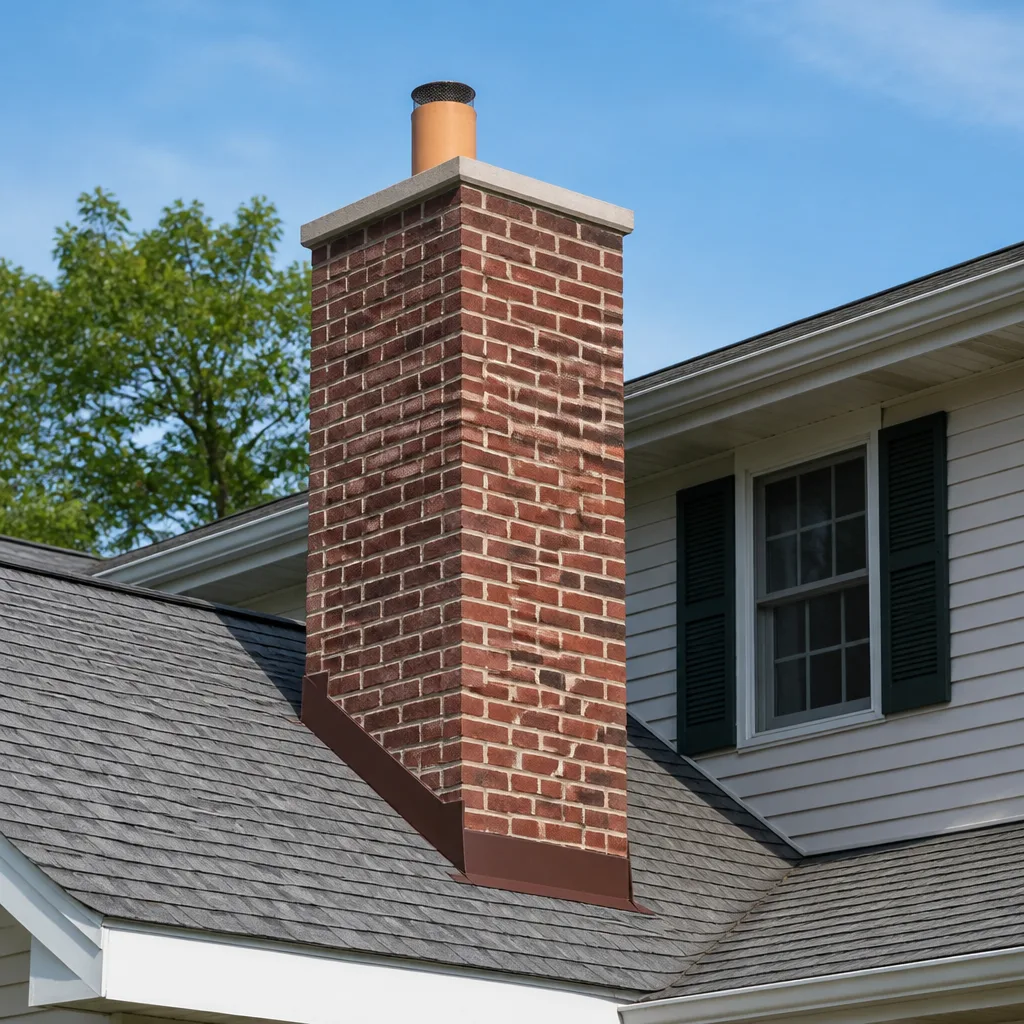 Masonry repair
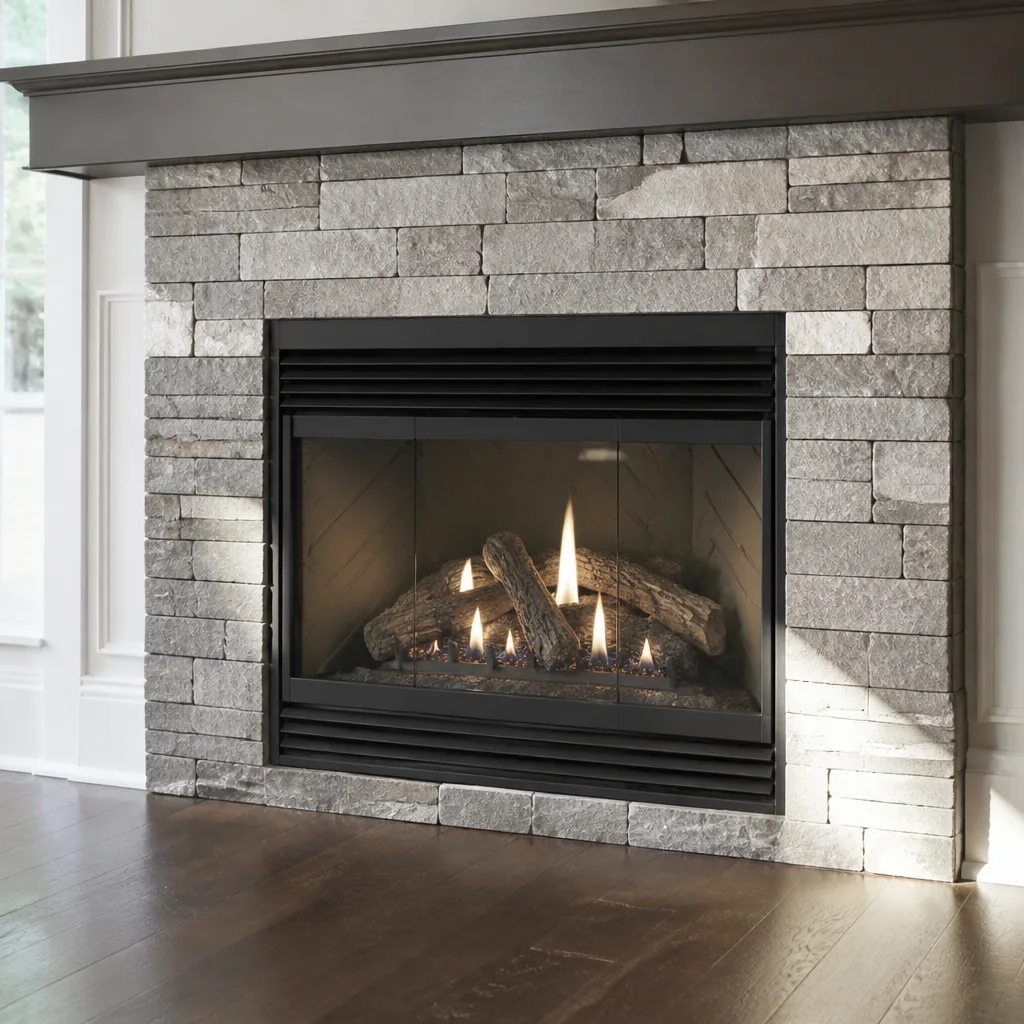 Gas fireplace service
Level 1 sweep and inspection to the NFPA 211 annual standard - flue, crown, cap, and flashing checked and photographed
Chimney sweep logs do not sweep chimneys. They loosen some creosote - which then falls where a brush and vacuum still have to collect it.
How to Hire a Chimney Cleaning Contractor in University Park: A Step-by-Step Guide
Plenty of companies in Colorado will tell you they clean chimneys. Far fewer will tell you what equipment they bring onto the roof, what certification the person doing the work actually holds, or why their price is what it is. HVAC companies and handymen list chimney cleaning as an add-on, but they rarely carry camera inspection equipment or know the difference between a Rumford firebox and a standard throat. In University Park, where mature housing stock and a real heating season make chimney condition worth knowing, the gap between a specialist and a generalist matters. This guide walks through the certifications, the questions, the pricing traps, and the paper trail, so you can hire with your eyes open.
Quick Answer
Hire a chimney cleaning contractor in University Park by verifying a chimney-specific certification, asking what inspection equipment they carry, requesting written findings with photos, and confirming they are licensed and insured for chimney work in Colorado. Expect a flat price agreed before booking, not a low teaser that grows on the roof. A genuine specialist cleans, inspects, and can repair the flue with professional-grade components instead of handing the repair to someone else.
Styles & brands we work with
- Sweep & inspection
- Caps & crowns
- Flue relining
- Masonry repair
- Gas fireplace service
Table of Contents
- Why a Chimney Specialist Beats a Generalist
- The Three Certifications That Actually Matter
- What to Ask Before You Book in University Park
- Red Flags in Pricing: Why Cheap Specials Cost More
- What to Expect Before, During, and After the Job
- How to Verify Colorado Licensing and Insurance
- Inspection Levels: What You’re Actually Buying
- What University Park’s Climate Asks of Your Chimney
Why a Chimney Specialist Beats a Generalist
A chimney is a small, specific piece of building science. It has a flue sized to an appliance, a damper, a smoke chamber with a shape, a firebox built to a particular geometry, a crown, and a cap. An HVAC technician spends most of their time on furnace and ductwork. A handyman juggles a hundred trades. When either one adds “chimney cleaning” to the list, the equipment and the knowledge are usually thin. In University Park, where homes from several building eras sit side by side, we’ve seen how quickly a generalist’s sweeping job runs into a firebox detail it wasn’t set up to handle.
A dedicated chimney specialist does one thing. That focus shows up in a few concrete ways:
- Camera inspection equipment. A specialist carries video gear to look up the flue, past the smoke chamber, into the liner. A generalist often cleans what they can reach from the damper and calls it done.
- Firebox fluency. A Rumford firebox is shallow and tall with angled cheeks, built for radiant heat. A standard throat firebox is deep and boxy. They behave differently and need different attention. Knowing which one you have is not trivia; it changes how the chimney drafts and where creosote collects.
- Repair capability under one roof. Sweep, inspection, crown work, cap installation, and relining all live with one company. You are not referred out to a second contractor the moment the job needs more than a brush.
- Professional-grade materials. Specialists source from industry distributors. We work with DuraFlex liner systems, HeatShield flue resurfacing, and components from Olympia Chimney and Famco because those are materials built for the job, not whatever a big-box shelf stocks.
None of this is about brand loyalty for its own sake. It’s about who can actually resolve what they find. One call covers a cleaning, an inspection, and the repair if one is needed. That’s how a University Park Chimney Sweep relationship is supposed to work.
The Three Certifications That Actually Matter
Certification is the fastest way to separate a chimney specialist from a generalist. Three credentials matter for the work you’re hiring, and each one authorizes something different.
CSIA (Chimney Safety Institute of America)
CSIA certification covers sweeping and inspection practice. A CSIA-certified sweep has been tested on the safety and technical side of chimney cleaning, and the credential requires continuing education to stay current. It signals that the person on your roof understands how to clean without damaging the liner and how to inspect what they see.
NFI (National Fireplace Institute)
NFI certification is specific to venting and installation, broken out by fuel type. It matters most when the job moves past cleaning into appliance or venting territory. If a contractor is evaluating your fireplace, insert, or the way an appliance is vented into the chimney, NFI credentials are the relevant benchmark.
C-DET (Certified Dryer Exhaust Technician)
C-DET is a niche credential for dryer vent work. It’s separated out because dryer exhaust is its own safety category, unrelated to the flue your fire is on. A contractor carrying C-DET understands that vent path specifically. It’s a useful signal of breadth if your project touches it, but it doesn’t replace CSIA or NFI for chimney work.
Here’s the point: ask which certification the person actually doing the work holds, not the company generally. Certification belongs to individuals. In University Park, where older flues and varied firebox types are the norm, a certified sweep catches details an uncertified add-on service misses. If a contractor can’t tell you which credential their technician holds, that’s your answer.
What to Ask Before You Book in University Park
The intake call is where specialists and generalists separate. Questions a real chimney contractor answers without hesitation also tell you how the job will run.
- “What inspection do you perform, and is it included?” A specialist will explain the level of inspection appropriate to your situation and confirm whether findings come in writing.
- “Do you carry camera equipment?” A straight yes means they can look inside the flue. A vague answer often means a brush and a flashlight.
- “What’s the flat price, and what does it cover?” You want a number agreed before anyone gets on the roof, plus what’s included and what triggers a separate quote.
- “Which certification does the technician hold?” CSIA, NFI, C-DET: they should be able to name it.
- “Are you willing to do an inspection only, without a sweep?” An education-first contractor says yes. If inspection only exists as an upsell, that’s worth knowing.
- “Who does the repair if one’s needed?” A specialist keeps it in-house with materials like HeatShield or DuraFlex. A generalist refers you out.
- “Can you explain what you find in plain language?” You don’t have a chimney background. You shouldn’t need one to understand the report.
Ask these before you commit. The answers tell you more than any website. When we gather them on an intake call, we’d rather spend the time up front than surprise a homeowner mid-job.
Red Flags in Pricing: Why Cheap Specials Cost More
A $49 chimney cleaning special is a hook, not a price. Getting a technician onto your roof at that rate only works if the visit produces a bigger sale, and the bigger sale usually comes from a pressure pitch delivered while you’re standing at the door and can’t see the flue. The low price is real; it’s just not the whole job.
Here’s how the pattern usually runs. The teaser price covers a bare-bones sweep. Once on the roof, the technician reports urgent problems, often credible-sounding, and the quote climbs. Without camera evidence you have no way to verify what they say. In University Park, where older liners are common and genuinely do wear, a plausible pitch is easy to make and hard to check.
A genuine specialist does three things differently:
- Puts the flat price in writing before booking. What the sweep costs is what the sweep costs. Repairs get their own quote, based on what inspection found.
- Shows camera evidence for any recommendation. If the pitch is a reline, you see the flue on camera. Nothing is recommended that you can’t see for yourself.
- Tells you when work can safely wait. Not every worn spot needs fixing now. A specialist says so.
Our approach is simple: a flat price agreed before you book, an inspection that includes camera evidence and a photo report, and a repair quote that follows the evidence rather than leading it. That way the surprise, if there is one, is what we find, not what you pay.
What to Expect Before, During, and After the Job
Good contractors leave a paper trail. It’s how you know what happened and what to plan for.
Before the appointment
- A flat price confirmed in writing.
- A clear scope: sweep only, inspection only, or both.
- Confirmation of the certification the technician holds.
- Confirmation of licensing and insurance for chimney work in Colorado.
During the job
- Protective drop cloths and containment so soot doesn’t travel into the home.
- A camera inspection of the flue, not just a visual check from the damper.
- A look at the crown, cap, and firebox, since these are where problems first show.
After the job
- Written inspection findings, with photos of anything flagged.
- A plain-language explanation of what’s fine, what’s worn, and what can wait.
- A separate quote for any repair, based on what the camera showed.
If a contractor packs up and hands you a bill without written findings, ask for them. In University Park, where flues vary in age and material, written records matter when you plan next season’s maintenance. And if you’d like the inspection as a standalone service, that’s a normal request. Homeowners shouldn’t have to buy a repair to find out what their chimney needs.
How to Verify Colorado Licensing and Insurance
Colorado doesn’t hand out a single statewide “chimney license,” so verification is a two-part job. First, confirm the business is registered and licensed for contractor work as your city and county require. Second, confirm insurance. Chimney work happens on a roof and around an open flue; you want the contractor covered, and you want proof.
Ask for these directly:
- Business registration. Confirm the company is a registered Colorado business entity. That’s the baseline.
- Certificate of insurance. Ask for a current certificate showing general liability coverage. A contractor should provide it without friction.
- Workers’ compensation. If more than one person will be on-site, ask about workers’ comp. If a worker is injured on your property and isn’t covered, the risk can land on you.
- Local requirements. Ask your city’s building department whether any permit is needed for the specific repair you’re considering. Most cities require a permit for structural chimney repair.
Paperwork isn’t glamorous, but it’s the difference between hiring a covered professional and hoping for the best. A specialist isn’t annoyed by these questions. They expect them. The local pro we connect you with is licensed and insured as Colorado requires, and can show it.
Inspection Levels: What You’re Actually Buying
“Inspection” means different things depending on scope, and knowing the difference keeps you from paying for the wrong one. The standard framework uses three levels.
- Level 1: A visual inspection of the readily accessible parts of the chimney: firebox, damper, smoke chamber, and flue, often with a camera. It’s the right pick for routine maintenance when your setup hasn’t changed.
- Level 2: Everything in Level 1 plus a closer look at accessible portions of the venting system, including areas a camera can reach. This is the level to request after a chimney fire, a change like a new appliance or liner, or when you’ve just bought a home with an existing chimney.
- Level 3: The most involved, called for when a Level 2 inspection finds something that needs to be seen directly, which can mean opening a wall or dismantling part of the structure. It’s rare and specific.
In University Park, where a lot of housing predates current venting practice, Level 2 is often the right starting point for a new owner or an unfamiliar chimney. If you’re hiring mainly to find out what your chimney actually needs, book an inspection as its own service. It’s one call, and you get written findings and photos rather than a verbal shrug.
What University Park’s Climate Asks of Your Chimney
University Park’s position along Colorado’s Front Range means real seasonal swing. Winter brings hard freezes and snow loads; spring swings back to warm days. The freeze-thaw cycle works on the crown, the mortar joints, and any crack in the masonry. Water gets in, freezes, expands, and widens what was a hairline. By the time you notice, a small crown crack can become a real repair.
That pattern is why a pre-season sweep and inspection earn their keep here. Creosote builds up through the heating season, and the crown and cap take the weather year-round. Sweeping removes the buildup before it has a chance to ignite; inspection catches crown and cap problems while they’re still minor.
If you’ve just bought a home in University Park with an existing chimney, book a Level 2 inspection before the first fire. And if you’re using the fireplace regularly, a sweep before the season is the routine. Your flue is easier to keep healthy than to fix.
Here’s the practical version:
- Before winter: sweep if you burn regularly, and inspect the crown and cap.
- After a chimney fire: stop using the fireplace and book a Level 2 inspection.
- New to the home: Level 2 inspection before the first burn.
- Spring: a good time to look at crown and cap repair after a freeze-thaw season.
That covers the year without drama. If you need the sweep side handled, a proper chimney sweep clears the flue and gives you the inspection record to go with it. When crown or cap problems turn up, chimney cap & crown work resolves them with the right materials. And when the firebox or damper needs attention, fireplace repair stays in-house rather than getting handed to someone else.
Common Mistakes to Avoid
- Booking on price alone. A $49 special exists to get someone onto your roof, where the real quote begins. Pick a contractor whose flat price is agreed before booking.
- Accepting a repair pitch with no camera evidence. In University Park, older liners make a reline pitch plausible and easy to oversell. Ask to see the flue on camera before agreeing to anything.
- Hiring a generalist with a brush. HVAC companies and handymen that add chimney cleaning rarely carry inspection equipment or know firebox geometry. You want a specialist.
- Skipping the insurance question. A roof job without proof of coverage puts the risk on you. Ask for the certificate before the appointment.
- Settling for verbal findings. Written inspection findings with photos are the record you’ll want next season. If a contractor won’t provide them, that’s a red flag.
- Assuming a cleaning replaces an inspection. The sweep clears the flue; the inspection tells you its condition. They’re different, and you want both.
- Waiting until the problem is obvious. Crown cracks and worn liners are cheap to catch early and expensive to catch late. In University Park’s freeze-thaw climate, early matters.
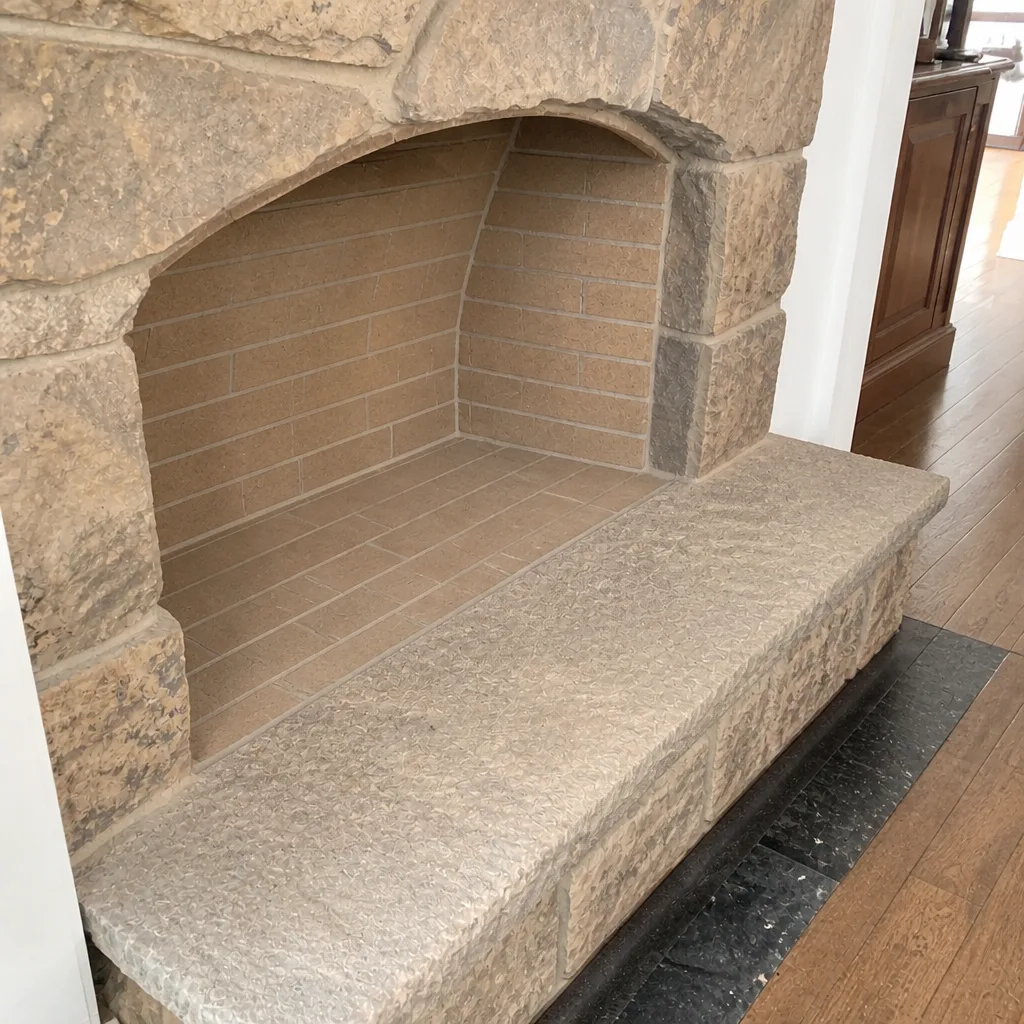
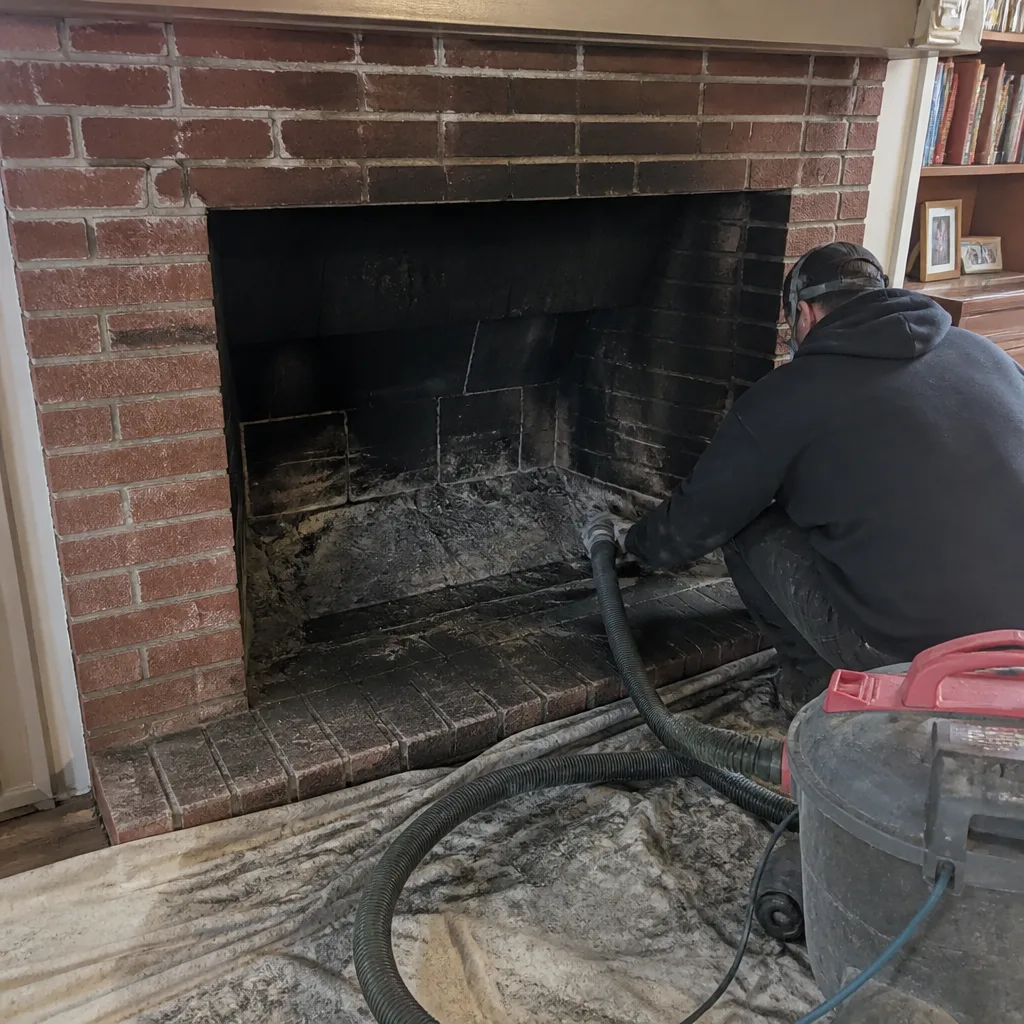
See the difference
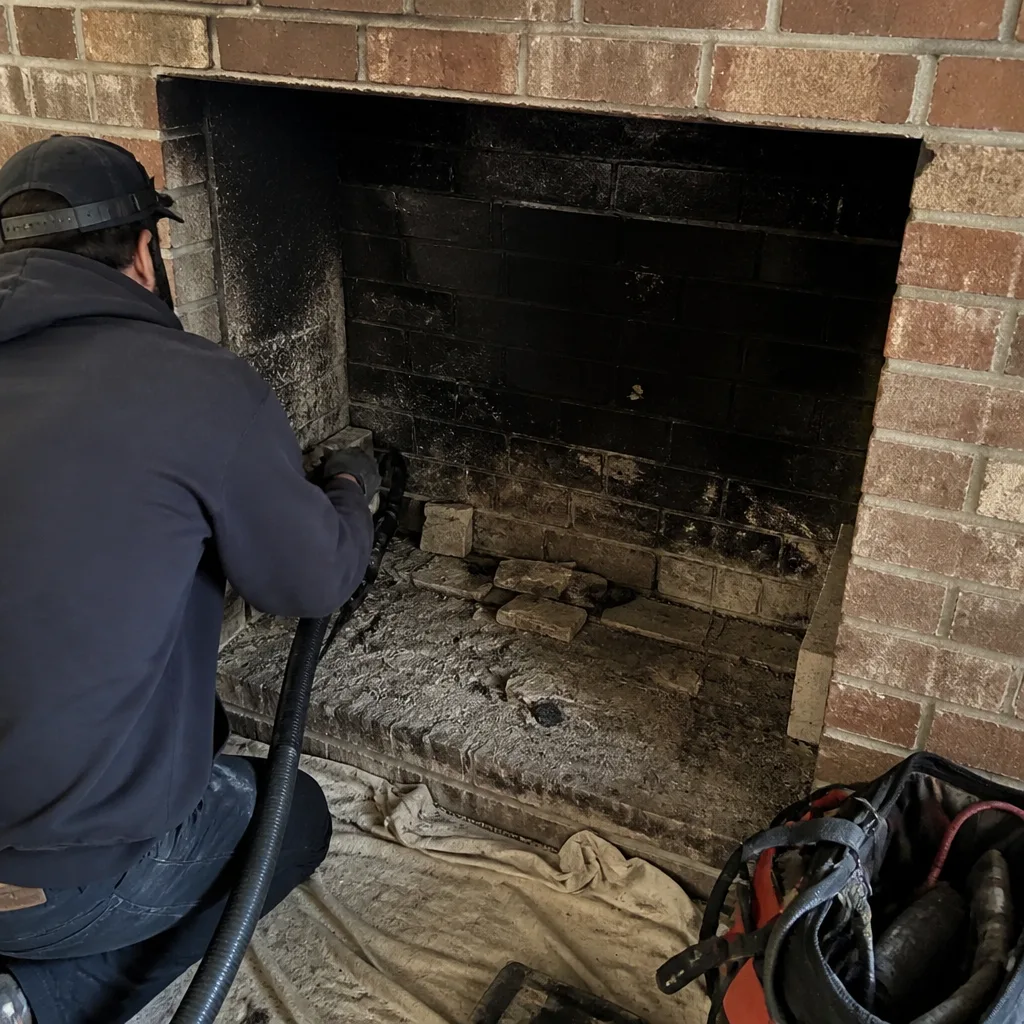 Before
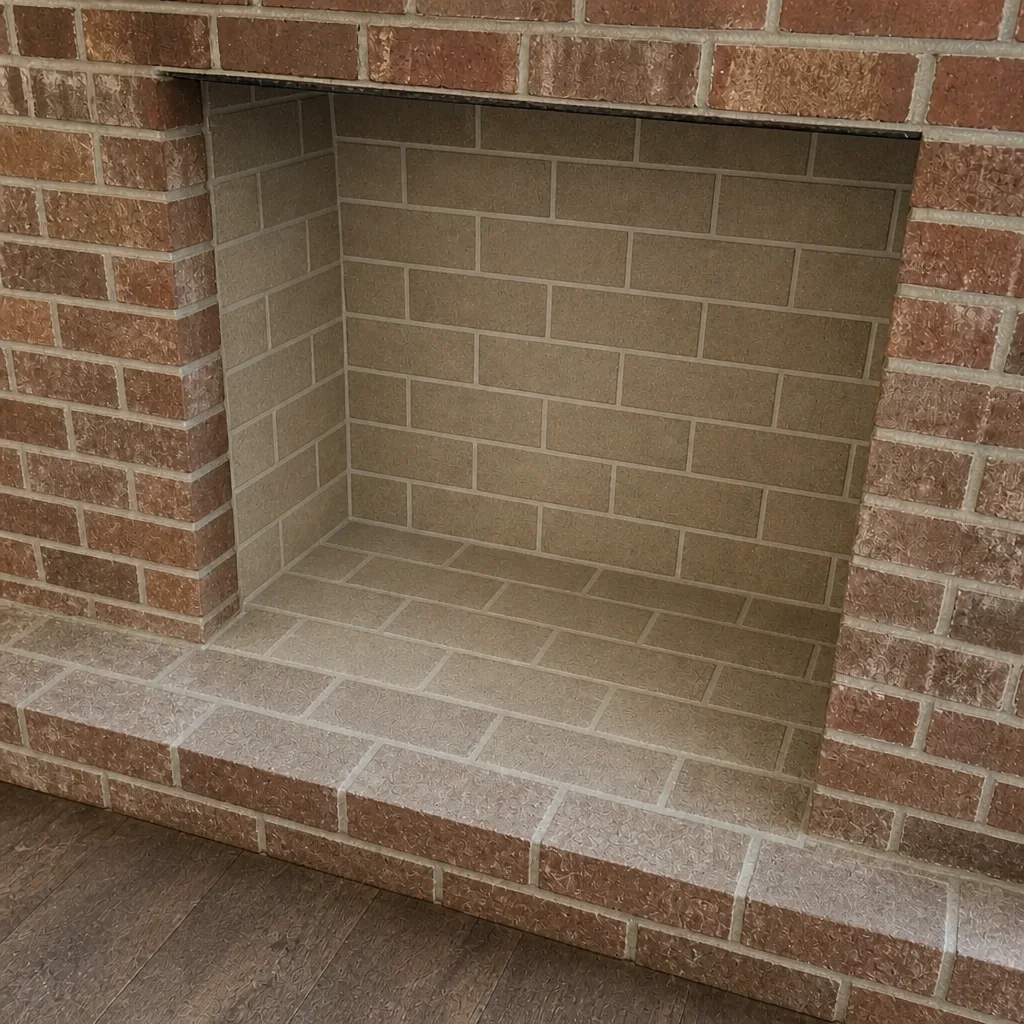 After
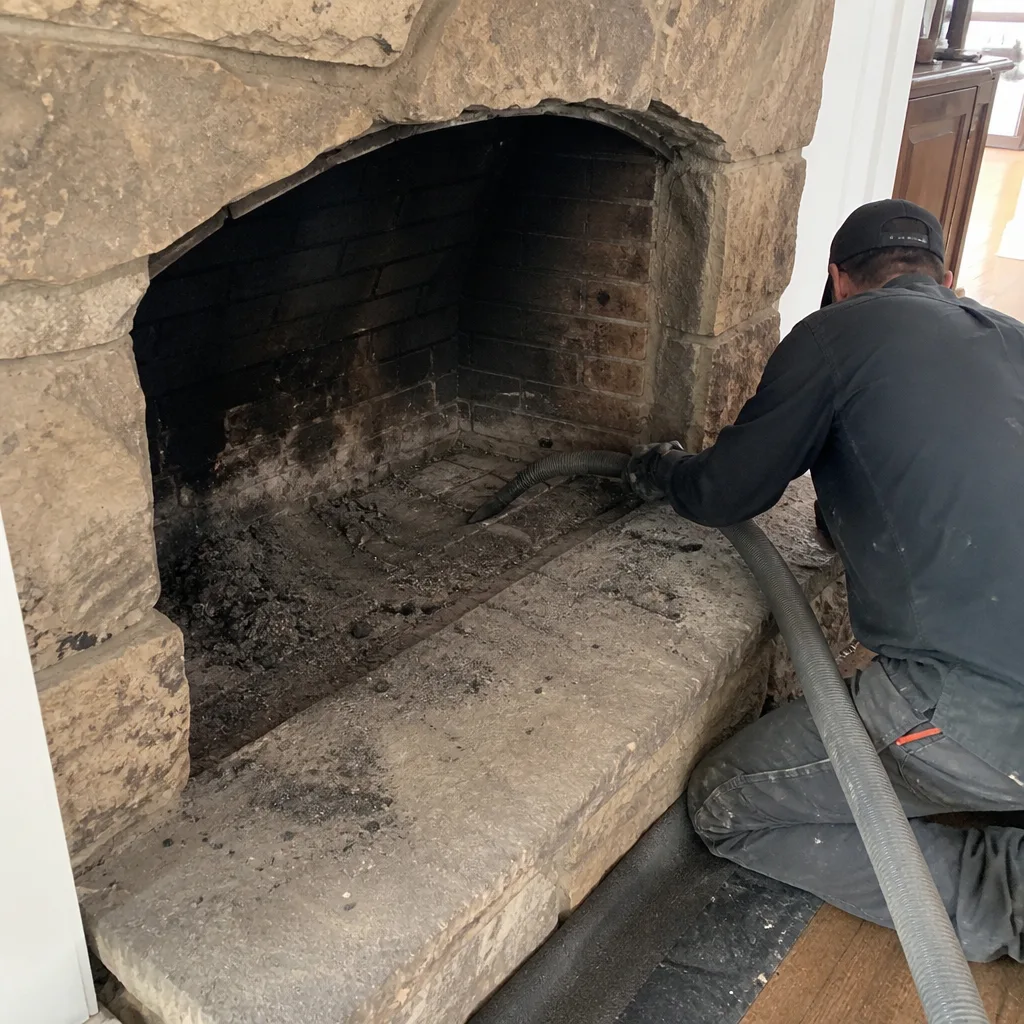 Before
 After
 Before
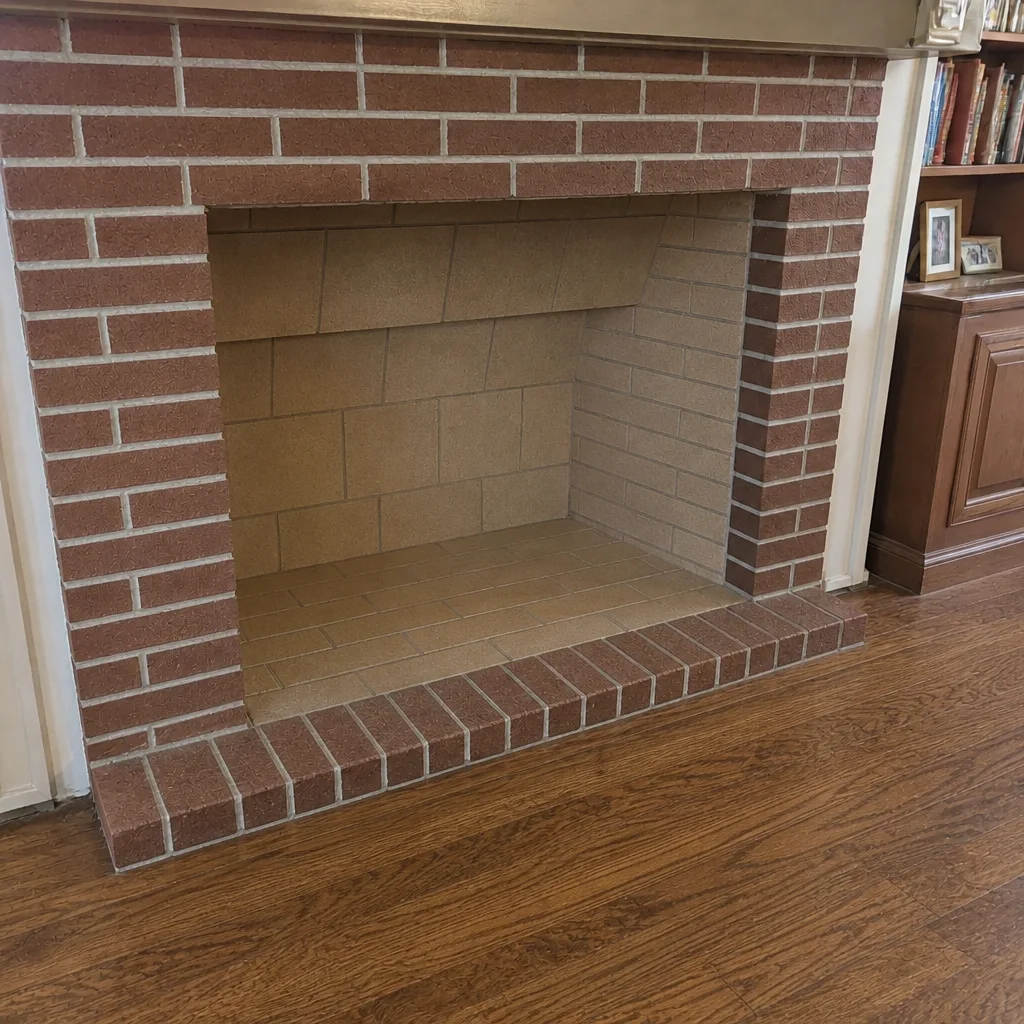 After
When to Call a Professional
Some chimney work is routine; some is genuinely dangerous. High-tension springs, structural repair, and gas-line work all sit firmly in the “call a professional” category. Never open a flue or work on gas appliances yourself. Specific situations worth a call include: a chimney fire, a persistent draft or smoke problem, creosote buildup from regular burning, a new home with an unexamined chimney, visible crown or cap damage, and any damage after a storm.
For each of these, an inspection tells you what’s actually happening before anyone recommends a repair. University Park Chimney Sweep offers free estimates in University Park. Call (888) 848-9521. Our technicians have up to 15 years of experience, and we’ll tell you exactly what we find.
Frequently Asked Questions
Cost depends on the job, so the written estimate sets the final price. Expect a flat price agreed before booking, not a teaser that grows on the roof. Repairs get their own quote based on what inspection finds. Call (888) 848-9521 for an exact quote: estimates are free.
Ask which certification the individual technician holds, since certification belongs to people, not companies. CSIA covers sweeping and inspection; NFI covers venting and installation by fuel type; C-DET covers dryer exhaust work. A specialist can name the credential their technician holds without hesitating.
They’re different jobs and both are worth having. The sweep clears the flue; the inspection tells you its condition with camera evidence and a photo report. If you’re mainly trying to learn what your chimney needs, book the inspection as its own service. You shouldn’t have to buy a repair to find out what’s going on.
Ask what inspection is included, whether they carry camera equipment, the flat price and what it covers, which certification the technician holds, whether they’ll do inspection only, and who handles any repair. The answers separate specialists from generalists fast.
Confirm the business is a registered Colorado entity, then ask for a current certificate of insurance showing general liability coverage. Ask about workers’ compensation if more than one person will be on-site. For any structural repair, check with your city’s building department on permits.
Creosote builds up through the heating season, and in University Park’s freeze-thaw climate the crown and mortar joints take weather year-round. Skipping a sweep lets creosote accumulate, which raises chimney fire risk; skipping inspection lets crown and cap damage progress into bigger repairs. A carbon monoxide concern from a blocked or damaged flue is the more serious risk, which is why an inspection-first approach is worth it. Call (888) 848-9521 for a free estimate, and we’ll tell you exactly what we find.
The Bottom Line
Hiring the right chimney contractor in University Park comes down to a few checkable steps. Verify a chimney-specific certification, since CSIA, NFI, and C-DET each cover different ground. Ask what inspection equipment they carry and whether findings come in writing. Insist on a flat price agreed before booking, and treat a cheap teaser as a red flag. Confirm Colorado licensing and insurance. And hold out for a specialist who can sweep, inspect, and repair the flue with professional-grade materials, rather than a generalist with a brush. Do those things and the rest is routine. We work with DuraFlex and HeatShield for the repair side and Olympia Chimney and Famco components for the crown and cap, so what we find we can resolve under one roof.
Call (888) 848-9521 for a free estimate. We answer 24/7, with fast dispatch from 7am to 7pm, Sunday through Friday.
Written by the team at University Park Chimney Sweep.