
Last updated November 24, 2026
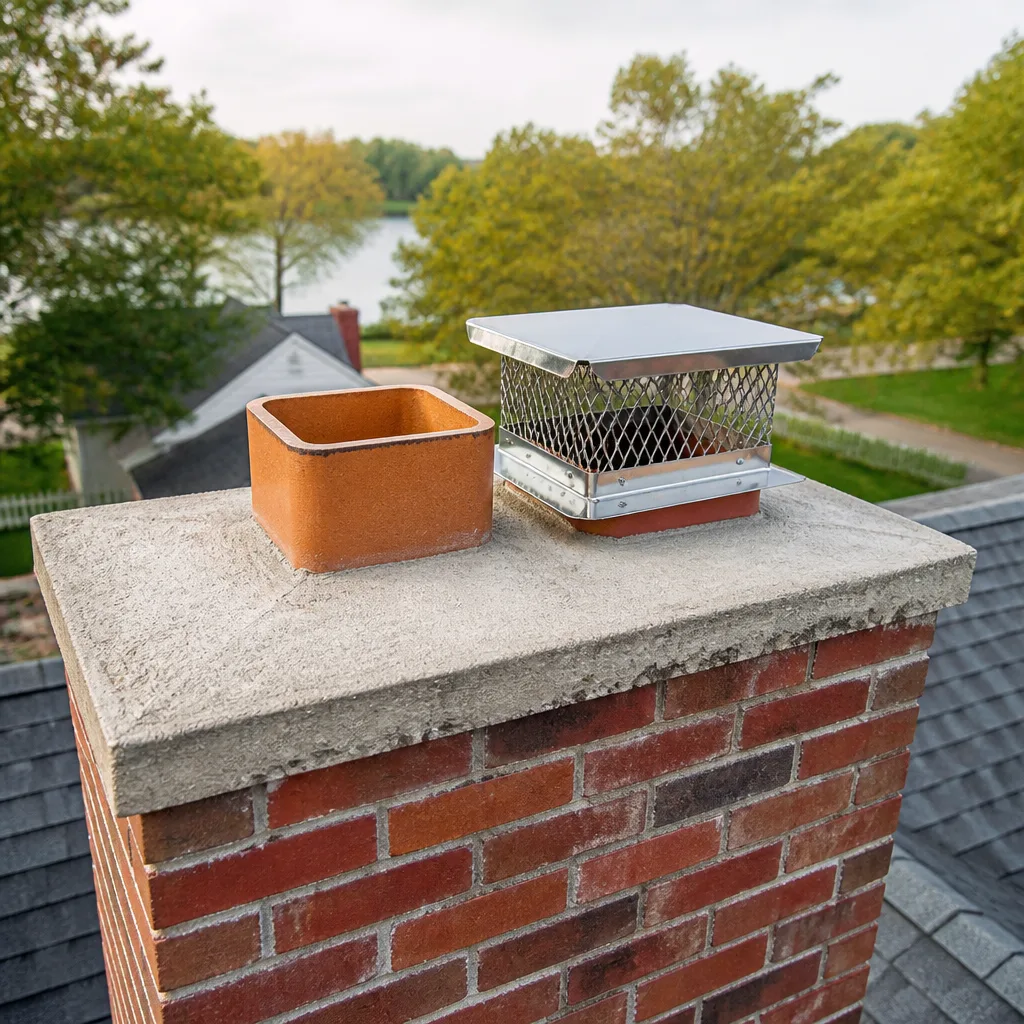 Sweep & inspection
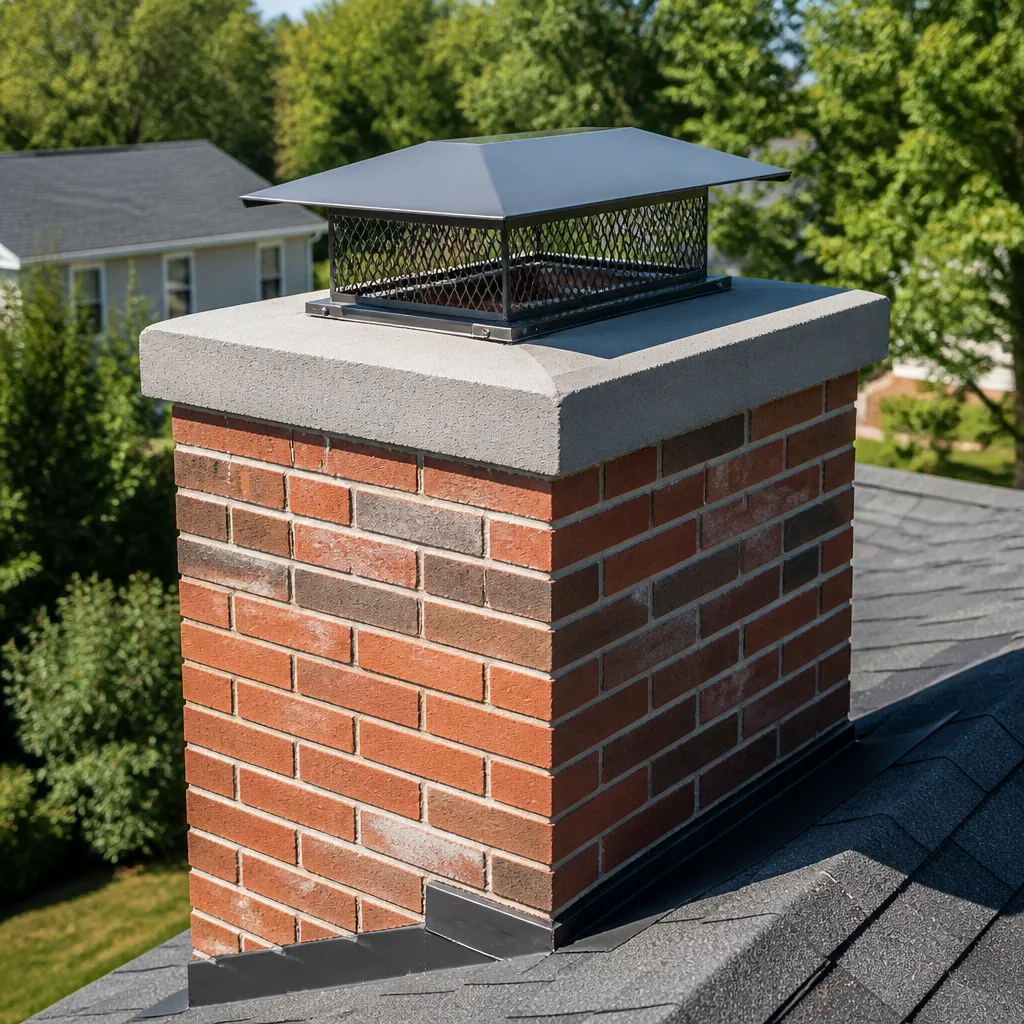 Caps & crowns
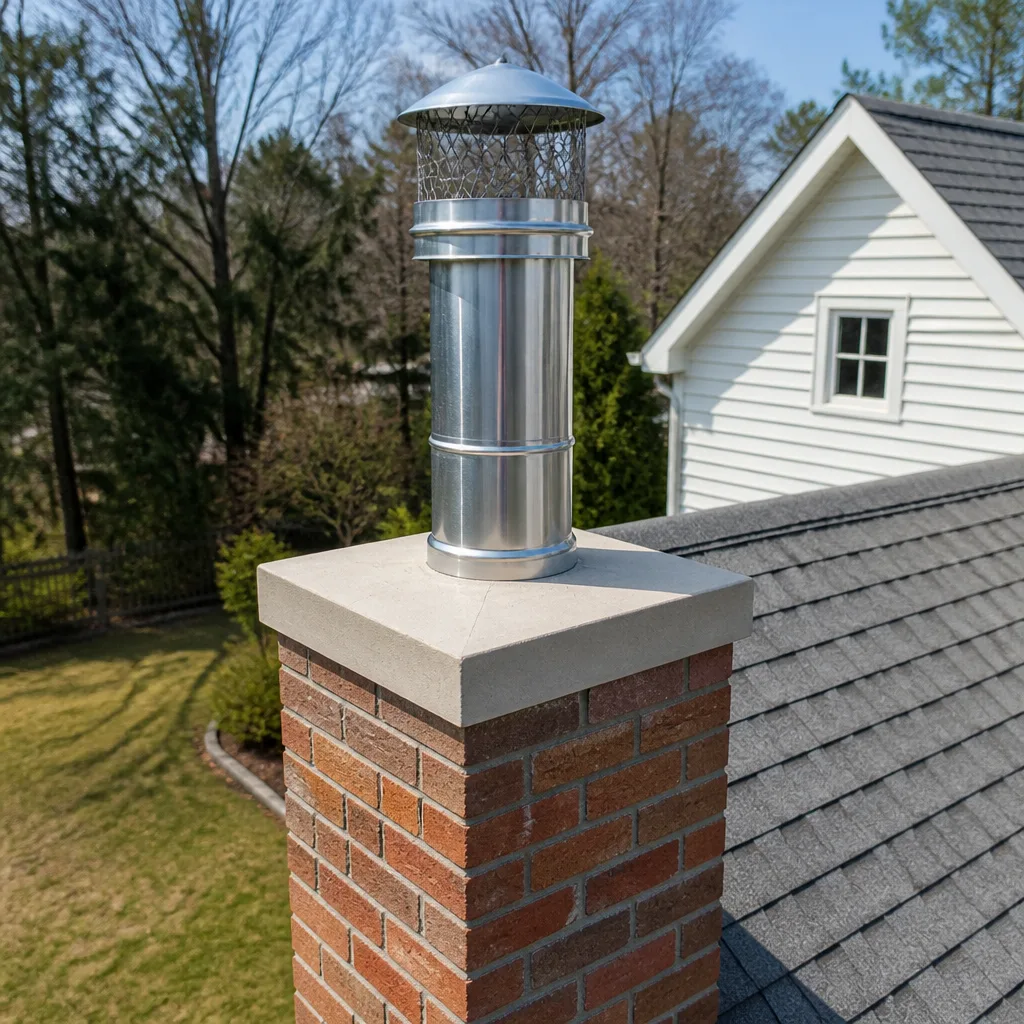 Flue relining
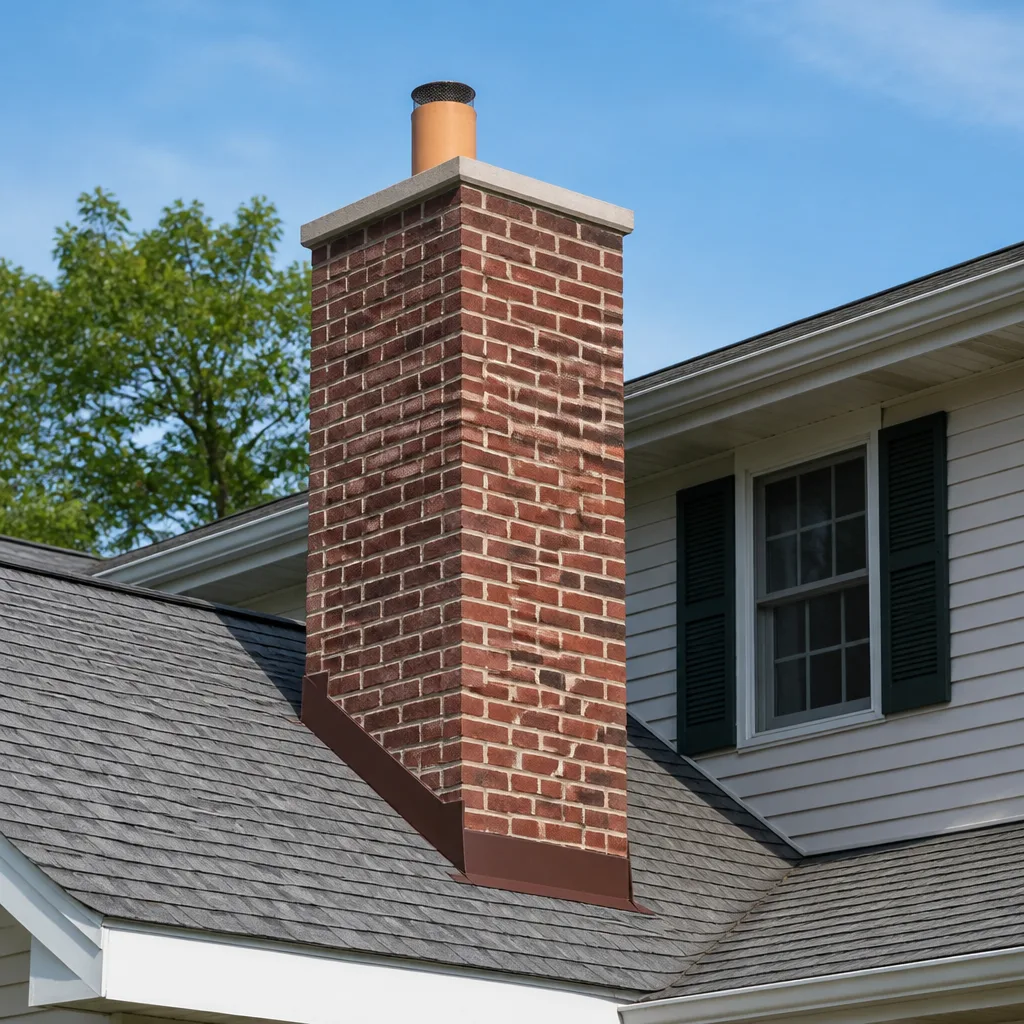 Masonry repair
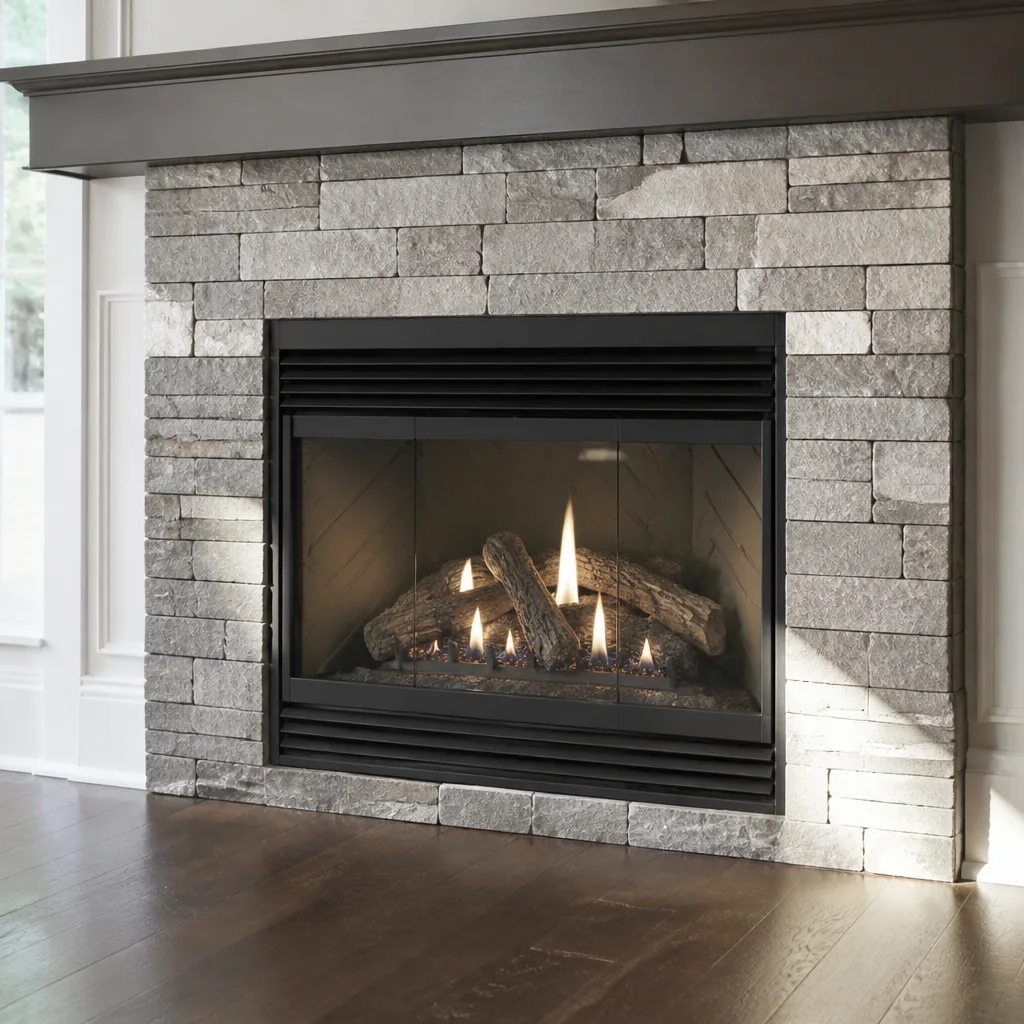 Gas fireplace service
Level 1 sweep and inspection to the NFPA 211 annual standard - flue, crown, cap, and flashing checked and photographed
Chimney sweep logs do not sweep chimneys. They loosen some creosote - which then falls where a brush and vacuum still have to collect it.
Chimney Sweep Maintenance Checklist for University Park Homeowners
Most homeowners check the firebox first. That’s backwards. The cap and crown at the top of the chimney are the first things to fail and the last things anyone thinks to check, and by the time water has worked its way down into the smoke shelf, you’re not paying for a cleaning. You’re paying for a repair. The checklist below runs top-down for that reason: it puts the components that fail quietly, out of sight, ahead of the ones you can see from the hearth. You’ll learn a prioritized inspection sequence you can walk before you call anyone, the visual cues that separate ordinary soot from stage 2 and stage 3 creosote, and what’s worth documenting between annual cleanings here in University Park so your sweep has real diagnostic context instead of a guess.
Quick Answer
A chimney maintenance checklist for a University Park home should be worked from the top down: cap and crown first, then the flue and creosote deposits, then the damper and firebox, and the appliance connection last. Every chimney should be swept and inspected once a year, and any chimney with heavy creosote, water intrusion, or a damaged crown needs service before the next fire. Checking in that order catches the failures that cause expensive damage before they get expensive.
Styles & brands we work with
- Sweep & inspection
- Caps & crowns
- Flue relining
- Masonry repair
- Gas fireplace service
Table of Contents
- Why a Top-Down Sequence Matters More Than a Long List
- Step 1: The Cap and Crown
- Step 2: The Flue and What the Creosote Is Telling You
- Step 3: Damper Seating, Throat Seal, and the Firebox
- University Park Seasonal Triggers: Freeze-Thaw, Pine Resin, Monsoon Moisture
- What to Document Between Cleanings
- How Often, and What the Sequence Protects
- When to Stop Checking and Call
Why a Top-Down Sequence Matters More Than a Long List
Search for a chimney checklist and you’ll get thirty items in no particular order. That format fails people. A homeowner with an hour on a Sunday can’t tell which of the thirty matters most, so they start where it’s easy and visible, at the firebox, and quit. Meanwhile the actual failure is happening two feet above the roofline where nobody looks.
The principle behind every sequence in this guide is simple: water and creosote both travel downward, so you check from where the damage starts and work toward where it lands. Roof-level components sit at the top of that chain. If the crown is cracked and water is getting in, nothing you find at the firebox means much until the water source is handled. Fix the top, then work down.
There’s a second reason the order matters in University Park. Our seasons attack a chimney from three different directions: winter freeze-thaw cycles, pine-heavy firewood, and summer monsoon moisture. A checklist built for a mild climate will miss two of the three. The sequence here is built around the way chimneys actually fail on the Front Range, where masonry goes through dozens of freeze-thaw swings in a single winter and a thunderstorm on a July afternoon can push water into a crown crack that wasn’t there in May.
Here’s the sequence in brief before we walk through it:
- Cap and crown – check from the ground with binoculars, then confirm up close.
- Flue and creosote – judge the deposit type, not just the thickness.
- Damper and throat seal – check seating by feel, no tools needed.
- Firebox and appliance connection – the last stop, not the first.
Run it in that order and you’ll usually know within twenty minutes whether you need a chimney sweep this season or whether something structural needs attention first.
Step 1: The Cap and Crown
Start at the roof. The crown is the concrete or masonry slab at the very top of the chimney that sheds water away from the flue. The cap sits above it and keeps rain, birds, and debris out of the opening. Together they’re the first line of defense, and they fail earlier than anything else in the system because they take the full brunt of weather with no protection above them.
You can do a decent first check with binoculars from the yard. Look for these cues:
- Cracks in the crown. Hairline cracks are common and often harmless. Wider cracks, or cracks that run from the flue edge out to the rim, let water straight into the masonry.
- Spalling on the crown or the top course of brick. Spalling is when the face of the masonry flakes or pops off, usually because water got in, froze, expanded, and pushed the surface away. In University Park’s freeze-thaw climate, a crown that’s spalling is a crown that’s already absorbing water.
- A missing, bent, or loose cap. A cap that’s come loose lets water and animals in and can be a wind hazard on the roof.
- Rust streaks on the cap. Lighter gauges rust out and then fail. Professional caps from brands like Olympia Chimney hold up to the weather far better than the thin generic caps sold at big-box stores.
If the crown is sound and the cap is intact, you’ve cleared the most important check on the list. If the crown is cracked or spalling, or the cap is missing, that’s a repair job, not a cleaning job, and it should be handled before you burn again. Our chimney cap & crown work exists for exactly this: replacing a failed crown with a properly sloped one and fitting a stainless cap that lasts.
Step 2: The Flue and What the Creosote Is Telling You
Now look down the flue. Not everyone can do this safely or comfortably, and you shouldn’t climb a roof you’re not equipped to be on. But if you can look down the flue with a flashlight, or up from the firebox with the damper open, you can learn something useful: the deposit type.
Most articles tell you to check for “dark buildup.” That’s not much help, because creosote comes in three stages and only one of them is flammable enough to be an urgent problem:
- Stage 1 creosote: soot and light, flaky ash. You can brush it off a surface with a normal chimney brush. It’s what a routine sweep removes.
- Stage 2 creosote: a crusty, flaky, or brittle deposit that clings to the flue wall. It looks like dried flakes or a crust, and it takes effort to remove. This is the stage where deposits are dense and combustible enough to matter.
- Stage 3 creosote: a glossy, hardened, tar-like glaze that looks almost like black glass or melted plastic. It’s very hard to remove and is the most combustible form. If you see this, don’t burn again until a sweep has dealt with it.
A visual cue homeowners miss: the glaze is easier to see by looking up from the firebox with the damper open than from the roof. A flashlight shined up the flue catches the reflection of stage 3 glaze. A borescope camera, which a proper sweep carries, tells the full story. If you’ve burned a lot of unseasoned or resinous wood, expect heavier deposits and more frequent cleaning.
Step 3: Damper Seating, Throat Seal, and the Firebox
The damper and firebox come last because they’re the easiest to see and the least likely to hide a surprise. But they do hide one: a damper that doesn’t seat well. This is the check you can do without any tools, and it’s where many people never look.
Here’s the sequence:
- Open the damper fully, then close it slowly. Listen for a clean, even contact with the frame. A scraping sound, a loose wobble, or a damper that won’t stay closed points to wear or warping.
- Feel the gap. With the damper closed, run your hand around the edge (no fire, of course). Feel for a gap of any size. A damper that doesn’t seal lets heated air escape up the flue when the fireplace is off, and lets smoke back into the room when it’s on.
- Check the throat seal. The throat is the narrow neck between firebox and flue. Look for damaged refractory mortar, gaps in the firebox panels, or crumbling material at the throat. A compromised throat seal can let smoke or heat into the frame.
- Look at the firebox itself. Cracks in the firebrick, worn mortar joints, or a rusted-out firebox can be fire hazards, and they’re repaired, not swept.
Damper and firebox repairs are standard fireplace repair territory, and they’re worth doing because a damper that doesn’t seat properly costs you on the energy bill as well as in room air. This is also where an inspection is useful for a home you’ve just bought: a damper that looks fine can be out of alignment, and it’s easier to see that with the tools a chimney professional carries than with your hand.
University Park Seasonal Triggers: Freeze-Thaw, Pine Resin, Monsoon Moisture
Chimneys fail differently depending on the climate they sit in, and University Park hits a chimney from three angles. This section is the local layer of the checklist, and it’s where a generic national checklist will let you down.
Freeze-thaw spalling
Front Range winters bring cycles where moisture inside masonry freezes, expands, thaws, and refreezes. Every cycle widens pores and cracks a little more. That’s why the crown and the top few courses of brick on a University Park chimney show spalling earlier than the masonry lower down. Check the crown and top course after each winter with fresh eyes. If the surface has started to flake or crumble, water is already inside.
Pine resin deposits
Pine and other resinous wood is common in local firewood. It burns hot but leaves sticky, resin-rich creosote that’s harder to remove than the deposits from hardwood. If your woodpile is mostly pine, expect faster accumulation on the flue walls and a need for more regular sweeping. Check the flue deposit type more often than once a year, especially if you see the crusty stage 2 cuing up.
Monsoon moisture intrusion
Summer thunderstorms push wind-driven rain into any crack, opening, or loose cap. That’s why a crown that looked fine in May can be an active leak by August. Summer is a good time to check the roof-level components again, because the surface that got soaked in a monsoon is the surface that will spall through the following winter. Water intrusion into the smoke shelf shows up as a damp, musty smell in the firebox on a dry day.
Put together, these three triggers mean a University Park chimney needs checking spring and fall, not just once in autumn. The annual sweep is still annual; the walk-around is more frequent.
What to Document Between Cleanings
Half the value of an annual sweep comes from what the sweep is told, not just what they find. A homeowner who logs the season’s oddities gives the sweep diagnostic context that shortens the inspection and catches problems earlier. Here’s what’s worth writing down:
- What you burned and roughly how often. Species of wood, whether it was seasoned, how many cords. This tells the sweep what kind of creosote to expect before they open anything.
- Smoke behavior. Did smoke roll into the room when you opened the door? Did it draft poorly on cold or windy days? Those are draft problems, often traced to the cap or a partially blocked flue.
- Smells and dampness. Musty or damp odors in the firebox when there’s no fire, or a smoky smell in the room when the chimney’s cold. Those hold clues about water intrusion or a poorly sealed damper.
- Visible change at the roofline. Note anything you saw with binoculars: a new crack, discolored brick, a moved cap. A dated photo on your phone is plenty.
- When you last had the chimney swept. Write the date on a piece of tape inside a cabinet door if that’s what it takes. The sweep will want it.
None of this requires technical knowledge, and it’s the sort of information our technicians use to decide where to spend inspection time before they even get on the roof. Bring the notes to the appointment or hand them over with the job.
How Often, and What the Sequence Protects
The standard guidance is an annual sweep and inspection for any chimney you burn in regularly. If you burn often, or burn a lot of pine, or notice heavy deposits, more frequent sweeping is reasonable. A chimney that isn’t used still needs a periodic look, because caps, crowns, and flues fail on their own timeline regardless of how much you’re burning.
Here’s how the sequence protects you, stage by stage:
- Cap and crown first. Catching a cracked crown or a loose cap early means water hasn’t had seasons of freeze-thaw to work into the masonry. That’s the difference between reseating or replacing a crown and dealing with structural masonry repair.
- Flue second. Knowing the creosote type tells you how urgently the sweep is needed and whether you should hold off burning until then. Stage 3 glaze is the case for pausing.
- Damper and throat third. A damper that doesn’t seal affects your home’s comfort, not just the fire. Catching it means fixing it before it also drives energy costs.
- Firebox last. Checking the firebox for cracks and damaged refractory closes out the sequence by confirming the fire itself is contained.
What the sequence can’t do is look inside the flue with a camera or evaluate a crown from up close. That’s where a proper inspection comes in, and it’s a service we offer on its own, not just as an upsell attached to a cleaning. An inspection should tell you what your chimney actually needs, and nothing should be recommended that isn’t backed by what the camera and the roof show. If something can safely wait, we say so.
The materials matter here too. When a crown or flue does need repair, the products make the difference in how long the fix lasts. We work with professional-supply brands – DuraFlex flexible lining systems for wood, gas, and oil appliances; HeatShield for resurfacing deteriorated flue interiors; and components from Copperfield and Famco – because those are what professional chimney contractors source from industry distributors, not the generic stock on a big-box shelf. For a University Park home where a liner or crown repair might need to last through many more freeze-thaw seasons, that quality is the difference between doing the job once and doing it twice.
When to Stop Checking and Call
Some symptoms are yours to watch. Some mean you stop burning and call a professional. Specifically: stage 3 glossy glaze in the flue, a cracked or spalling crown with water getting in, a damaged cap, cracks in the firebox or throat, a damper that won’t seat, or any smell of dampness in the firebox. If you smell smoke in the room when there’s no fire, or see staining or discoloration on the exterior masonry, those are signs of a leak or a draft problem the camera will find.
Some of this work is straightforwardly yours to monitor, and some of it is genuinely dangerous to reach for on your own. High work on a steep roof, and anything involving the inside of the flue, should be left to a trained professional. We answer 24/7 and dispatch from 7am to 7pm, Sunday through Friday, and the estimate is free. University Park Chimney Sweep is a chimney-only specialist, so the sweep, the inspection, and any repair all come from the same company rather than being handed off. Call (888) 848-9521.
Common Mistakes to Avoid
- Starting at the firebox. The visible firebox is the least likely place to find the real problem, and checking it first wastes the part of the inspection where a professional would help most. A clean-looking firebox means nothing if the crown above it is cracked.
- Reading “dark buildup” as “stage 3 creosote.” Dark soot and glossy glaze are different things. Knowing which you’re looking at tells you whether to sweep soon or stop burning now.
- Skipping the crown because it’s “only a little cracked.” In University Park’s freeze-thaw climate, a small crack is the entry point for water, and water is what turns a crown crack into masonry spalling over one or two winters.
- Lighting the season’s first fire without a sweep. A chimney that sat unused since spring has had months to collect moisture and settle deposits. The first fire of the season is the one to book the sweep for, not the last.
- Buying cheater cap or big-box cap because it’s cheap. Light-gauge caps rust and fail, and a failed cap lets weather in. A proper stainless cap from a professional-supply brand lasts and does its job.
- Treating the damper as an afterthought. A damper that doesn’t seat lets room air up the flue when the fireplace is off and lets smoke in when it’s on, and the fix is easy if it’s caught before the throat seal degrades too.
- Not documenting anything. Notes on wood type, smoke behavior, and roof-level changes give a sweep what they need to focus the inspection. Without them, the sweep is starting cold.
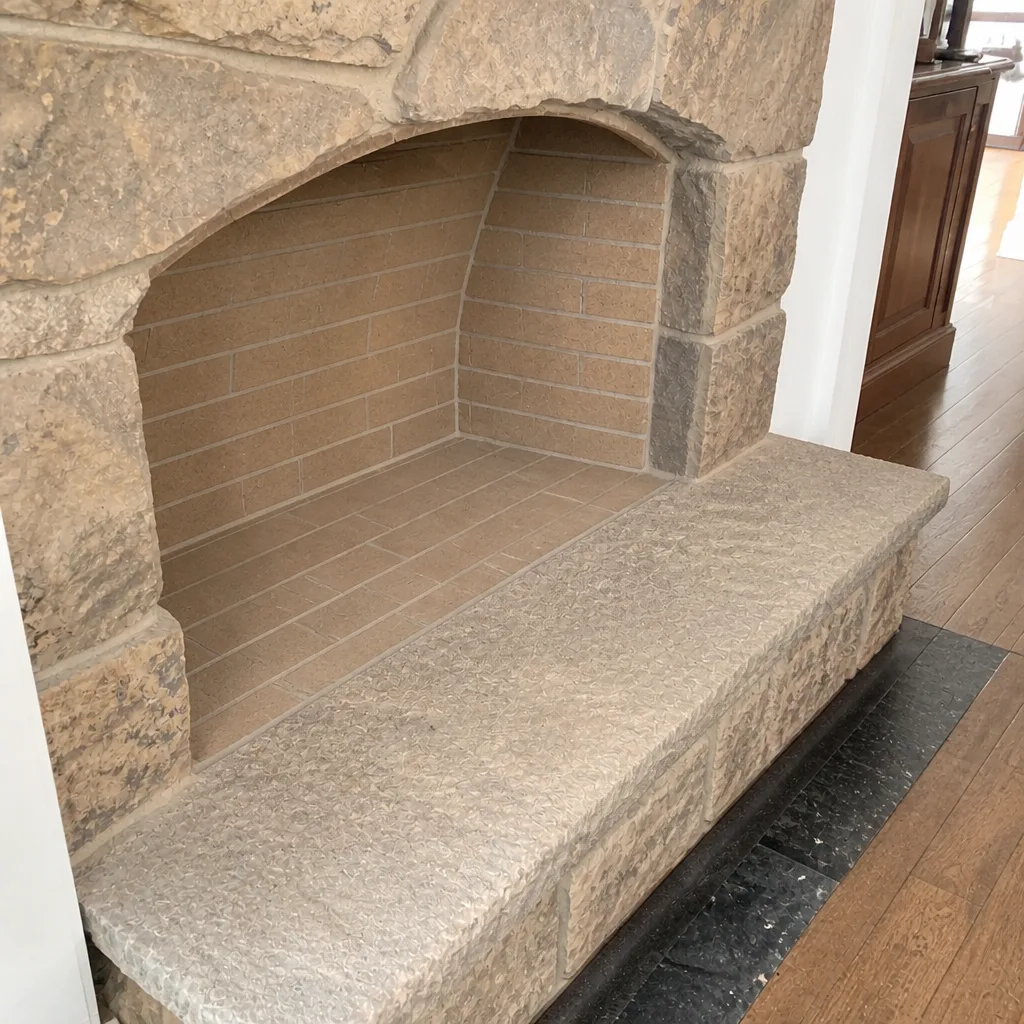
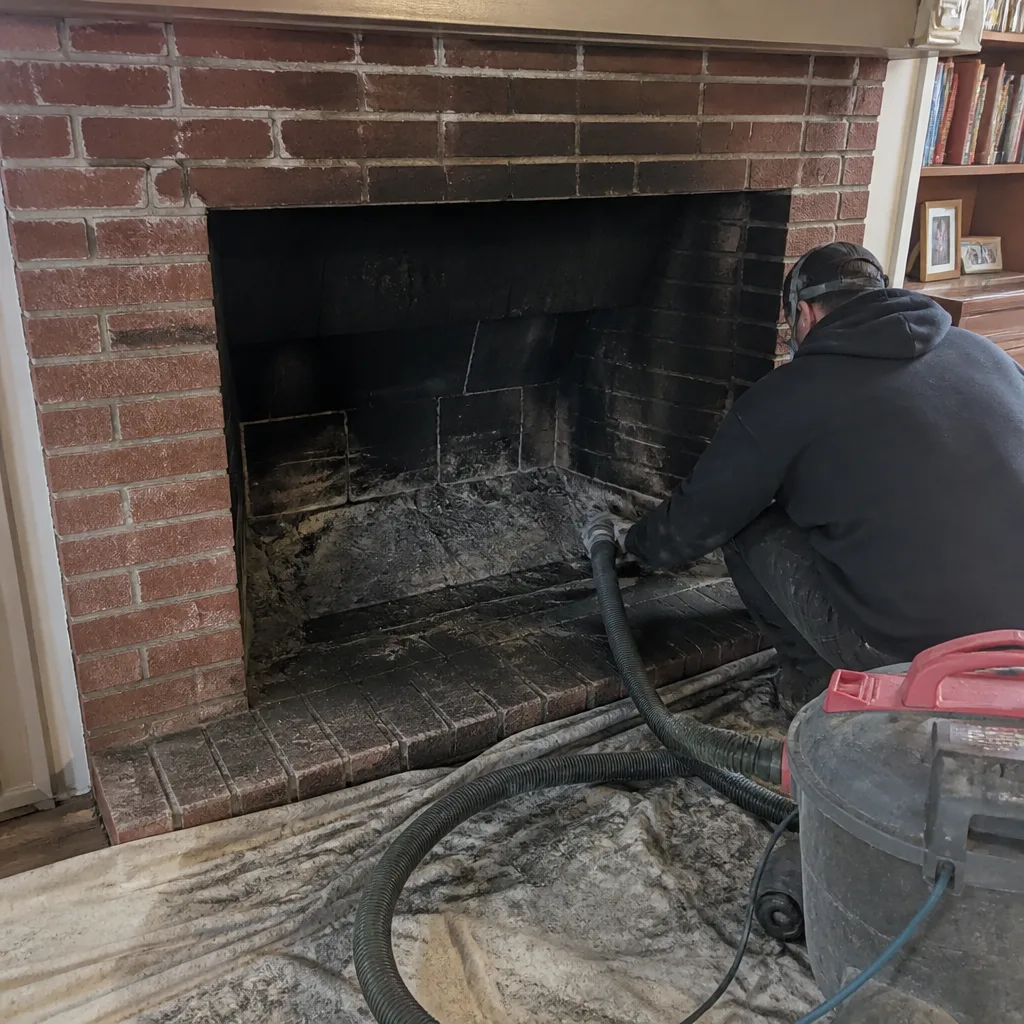
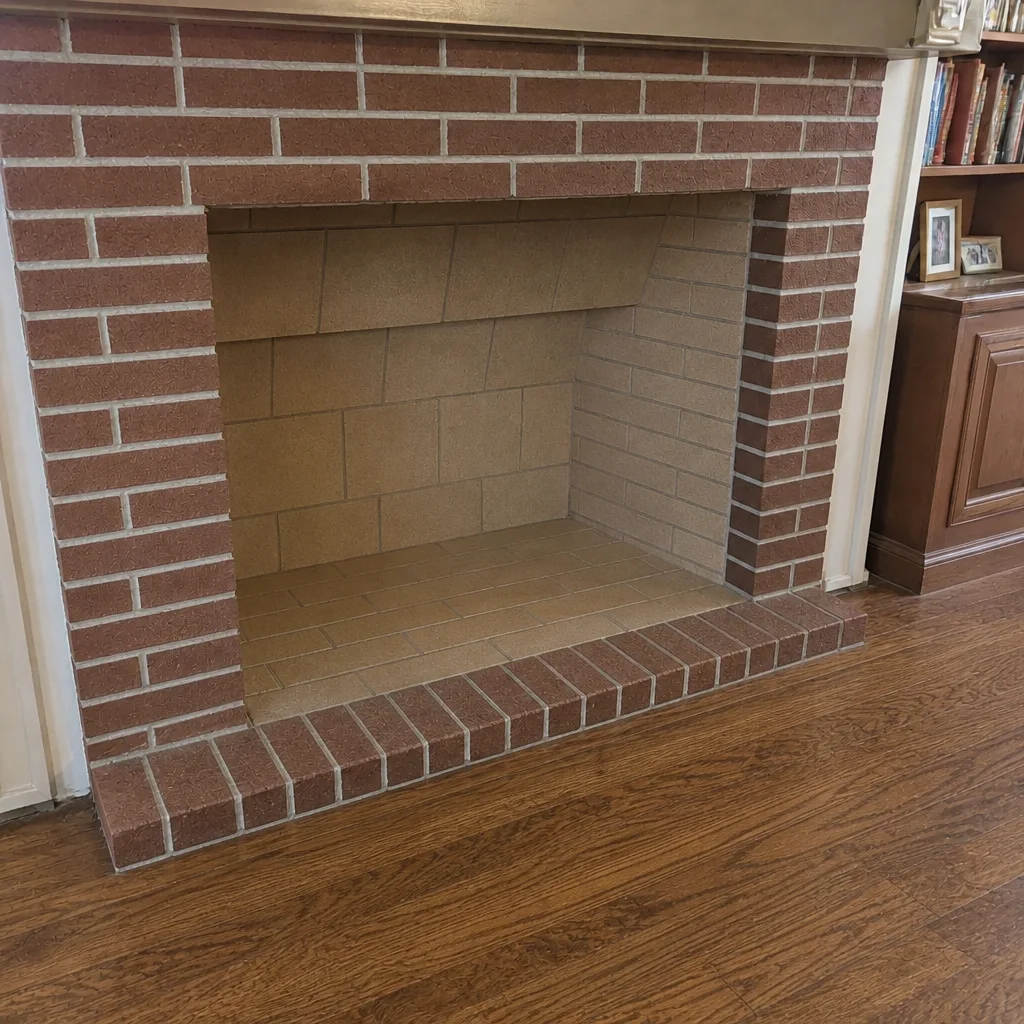
See the difference
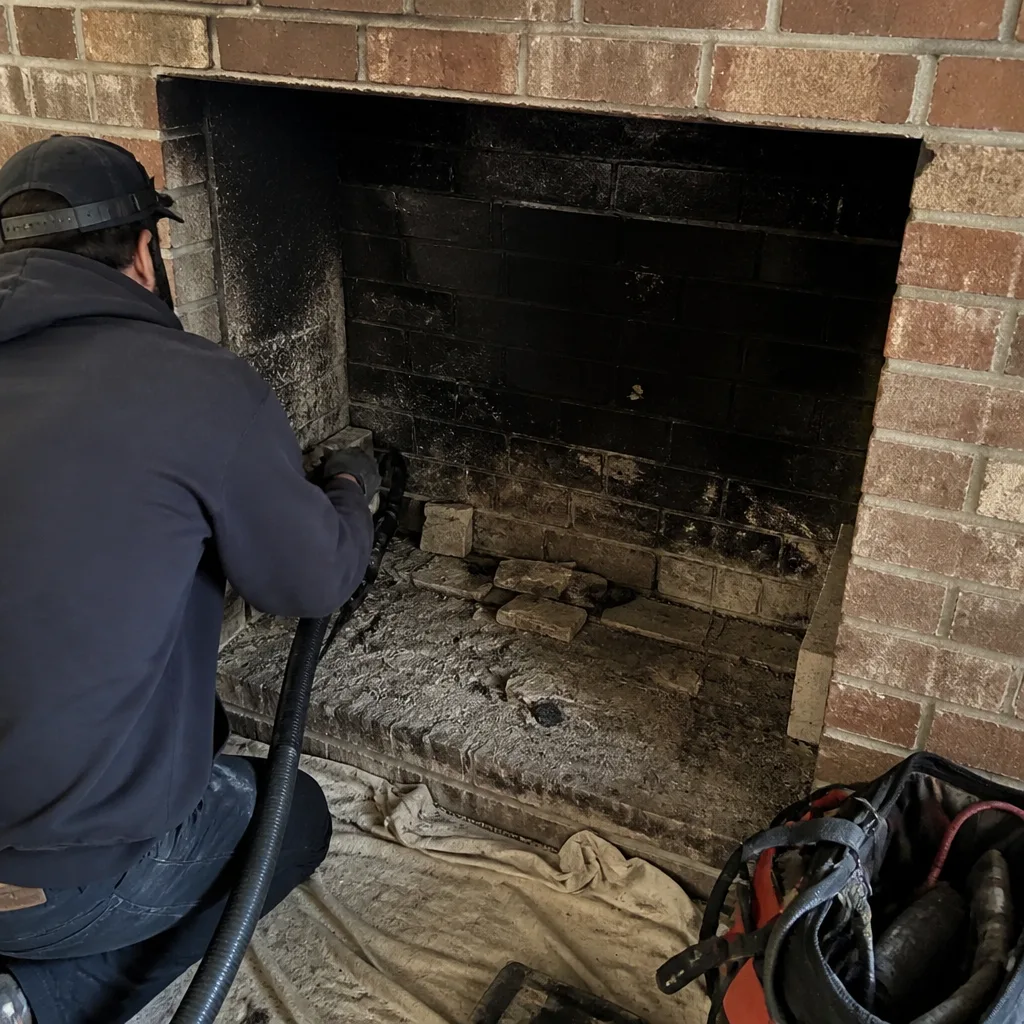 Before
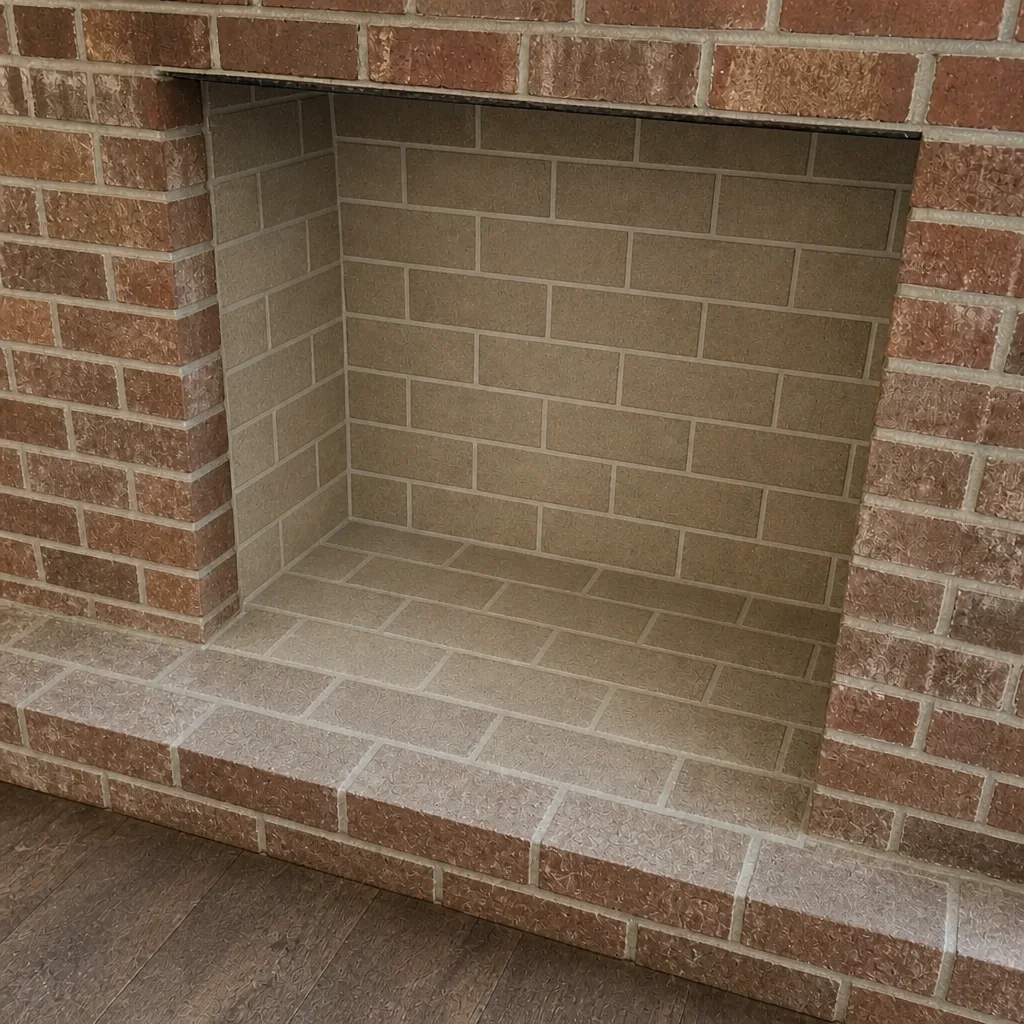 After
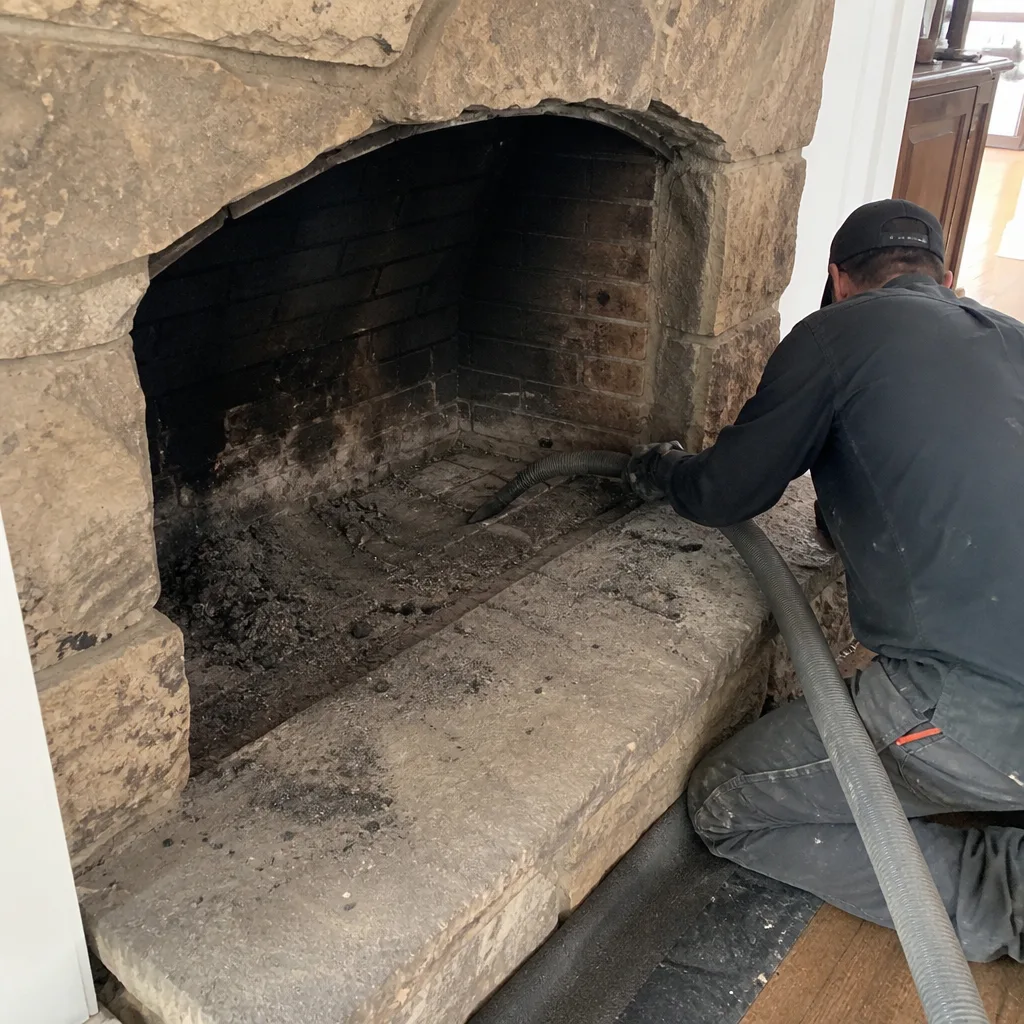 Before
 After
 Before
 After
When to Call a Professional
Call a professional for any symptom that involves the inside of the flue, the roof, or the firebox itself. That includes stage 3 glaze, a cracked or spalling crown, a missing or damaged cap, a damper that won’t seat, cracks in the firebox or throat, damp smells in the firebox when there’s no fire, smoke coming into the room with the fireplace off, or staining on the exterior masonry. Those are the cues that say water or creosote is where it shouldn’t be, and the fix needs a camera and a proper look, not a guess from the yard. High roof work belongs to trained technicians; don’t climb a roof you’re not equipped for. University Park Chimney Sweep offers free estimates in University Park – call (888) 848-9521. We answer 24/7. Fast dispatch from 7am to 7pm, Sunday through Friday.
Frequently Asked Questions
Once a year for any chimney you burn in regularly, and more often if you burn a lot of pine or notice heavy deposits. University Park’s freeze-thaw winters and resinous wood mean deposits build faster than in milder climates, so a mid-season check on the flue deposit type is worth doing. A sweep will tell you what your specific chimney needs. Call (888) 848-9521 for an exact quote, estimates are free.
Stage 2 creosote is a crusty, flaky, brittle deposit that clings to the flue wall and takes effort to brush off. Stage 3 is a glossy, hardened, tar-like glaze that looks almost like black glass, is very hard to remove, and is the most combustible form. If you see that glossy glaze, stop burning and have the flue looked at. Call (888) 848-9521 to book a sweep and inspection.
Yes. With no fire in the fireplace, open the damper fully and close it slowly. A clean, even contact with the frame is what you want; a scraping sound, a wobble, or a damper that won’t stay shut points to a problem. Then feel for gaps around the edge with the damper closed. A damper that doesn’t seal lets heat up the flue and smoke back into the room, and a proper repair is quick once it’s caught. Call (888) 848-9521 for an estimate.
Damp or musty smells in the firebox on a dry day usually point to water intrusion, often through a cracked crown, a loose cap, or a compromised smoke shelf. Monsoon moisture makes that worse in University Park, and any water that got in during a summer storm will spall the masonry through the winter. It’s worth an inspection before the burn season. Call (888) 848-9521, estimates are free.
Yes, and it’s worth having them done together. The sweep handles creosote; the inspection handles everything else – the crown, the cap, the damper, the firebox, and the flue with a camera. We offer inspection as a standalone service so you don’t have to commit to a repair to find out what your chimney actually needs. Call (888) 848-9521 for a free estimate.
Get the chimney inspected before you light the first fire. A seller’s inspection doesn’t cover the inside of the flue or the condition of the crown, and a damper that looks fine can be out of alignment. An inspection tells you what you’re working with and what, if anything, needs attention. Call (888) 848-9521. We answer 24/7. Fast dispatch from 7am to 7pm, Sunday through Friday.
The Bottom Line
A chimney checklist only works if it’s sequenced. Check the cap and crown first, then the flue and what the creosote is telling you, then the damper, firebox, and appliance connection. That order catches the failures that cause real damage before they get expensive. For a University Park home, add more frequent checks because freeze-thaw cycles, resin-rich firewood, and monsoon moisture hit the chimney from three directions. Document what you burn and what you notice, and bring it to the annual sweep. When something looks off at the roof level or in the flue, stop burning and call us.
Call University Park Chimney Sweep at (888) 848-9521 for a free estimate. We answer 24/7, with fast dispatch from 7am to 7pm, Sunday through Friday. Sweep, inspection, repair, crown, and cap all come from one chimney-only specialist, and nothing gets recommended that the camera doesn’t show.
Written by the team at University Park Chimney Sweep.